

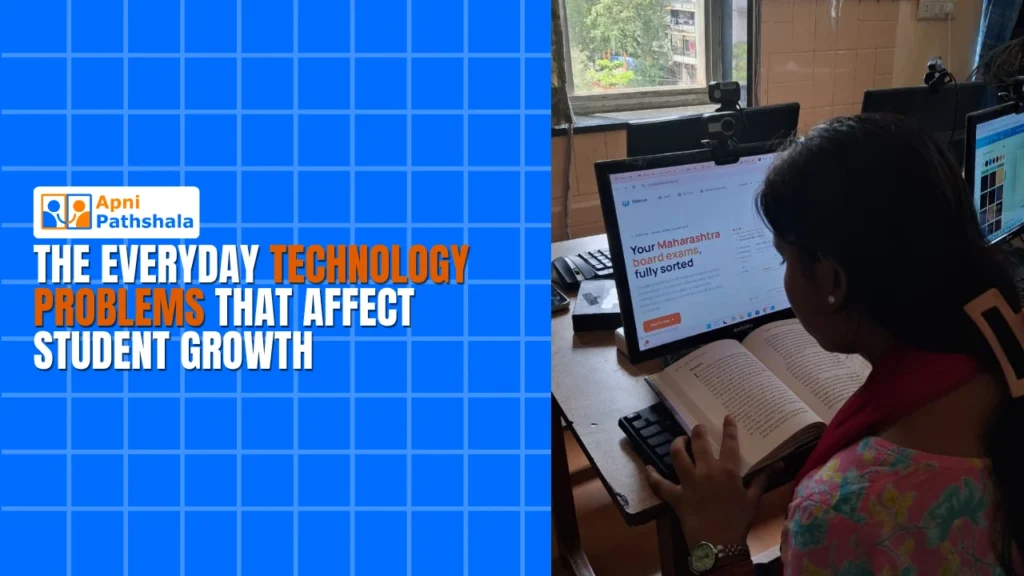
The conversation around technology in education often focuses on what schools plan to introduce next: better labs, newer apps, and smarter digital boards. But for a large number of Indian students, the real problem isn’t what’s coming. It’s what’s missing right now, every single day. Students encounter minor technology-related setbacks that hinder their learning, erode their confidence, and gradually widen the gap between their potential and their actual achievements.
The Small Technology Problems That Add Up Fast
Most student learning problems tied to technology don’t look dramatic from the outset but seem serious at first, where everything collapses. Instead, it is a slow accumulation of small failures that compound over weeks and months without anyone quite noticing.
A student can’t submit an assignment on time because the family phone wasn’t charged. Another misses a live class because the internet dropped for ten minutes at the wrong moment. One waits twenty minutes for a video to load, losing focus and motivation in the process. These aren’t exceptional situations. For students across India’s smaller cities and towns, this is the ordinary reality of trying to study seriously in 2026.
The damage runs deeper than inconvenience. When technology access is consistently unreliable, students learn to expect failure before they even begin. They stop relying on digital tools and fall back on whatever is available, even when what’s available isn’t enough. Over time, the situation quietly reshapes how they approach learning. Their effort starts to feel wasted when the tools keep failing them.
These students have ambition and drive. Everyday technology friction is stealing their best study hours, one disruption at a time.
Everyday technology setbacks are among the most overlooked student learning problems in India today.
How the Digital Divide Keeps Growing
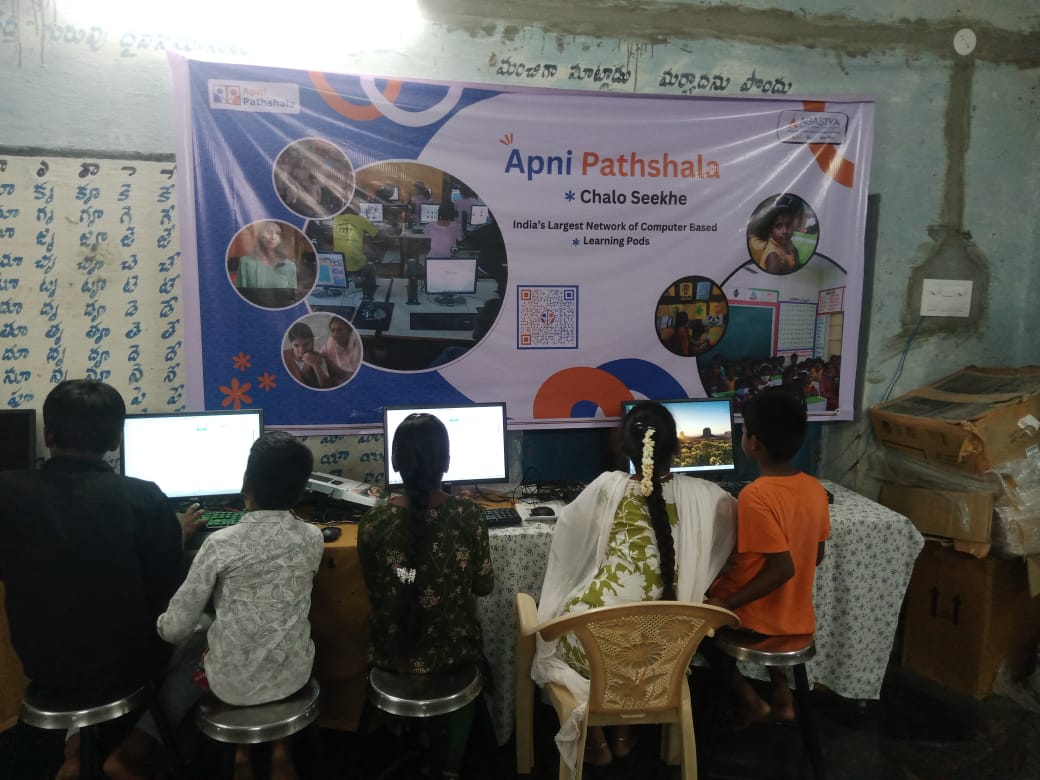
The digital divide in education is one of the most discussed issues in Indian policy, yet on the ground, it continues to widen. As schools integrate more technology into daily teaching, students without stable access fall further behind, not just in marks but in skills and confidence that marks don’t always measure.
Consider two students preparing for the same exam. One has a dedicated laptop, stable internet, and access to online courses, mock tests, and digital notes. The other shares a family phone, studies in short, stolen windows, and can’t always download study material before the data runs out. Both students work hard. But one is building real skills every single day, while the other is spending energy just trying to get access to begin.
This gap is not about intelligence. It is about infrastructure. And it grows invisibly, day by day.
The Digital India initiative has made meaningful strides in connecting more of the country to the internet. But access to a network is not the same as access to a device. A student who can connect but lacks a screen is still locked out of most digital education.
According to UNESCO global education research, equitable access to educational technology is one of the key factors that determines whether a student reaches their full potential or consistently falls short of it, despite their best efforts.
What the Real Fix Looks Like for Indian Families
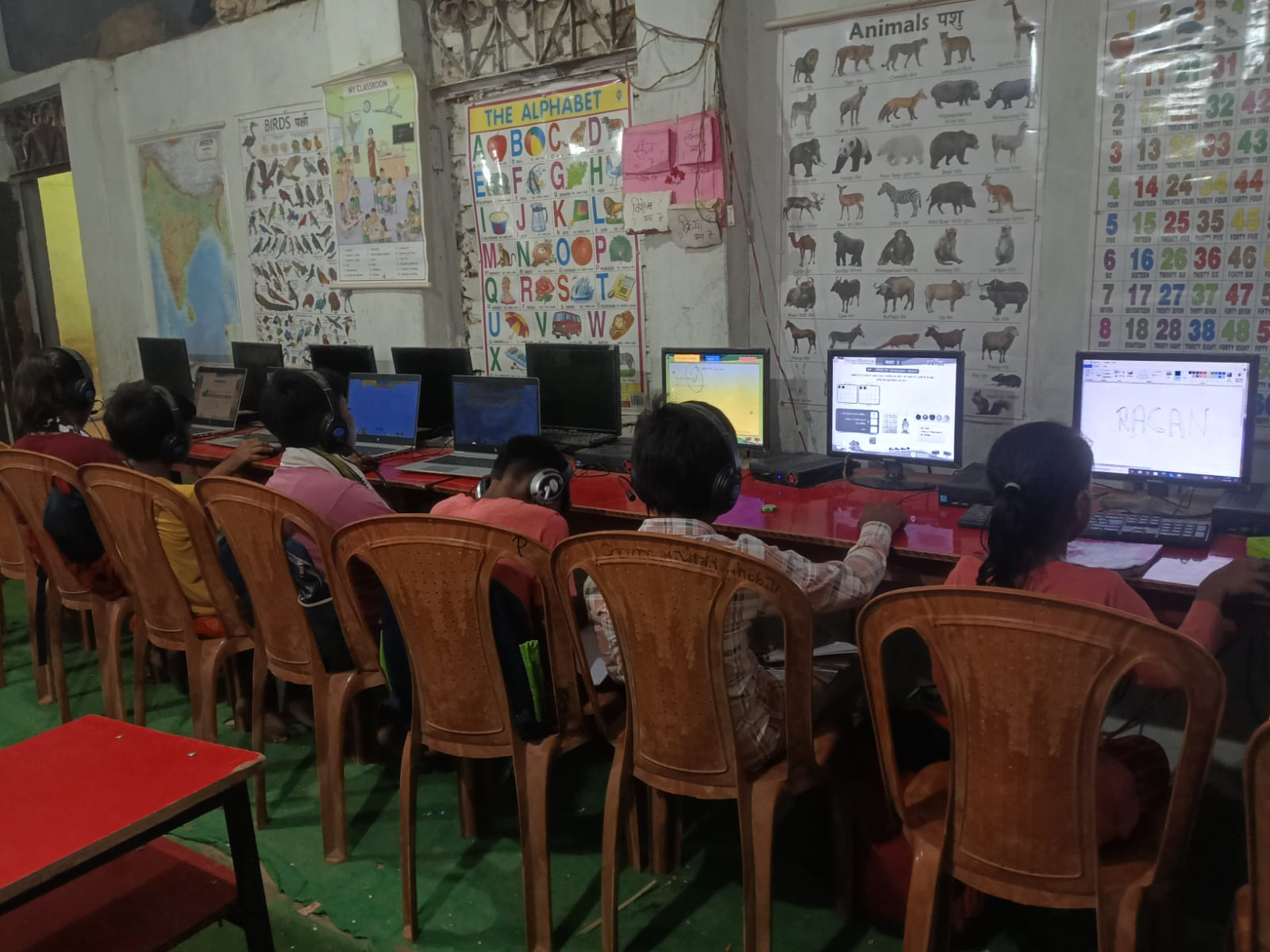
Solving educational technology challenges doesn’t always require waiting on a government scheme or a school initiative. For many families, the most effective fix is more direct: give the student their own dedicated device.
A personal computer changes the entire equation. Instead of competing with siblings for a shared phone, the student owns their access. They can work at their own pace for as long as they need, instead of studying in short, interrupted bursts. They can download material for offline use, practice typing, explore subjects beyond the textbook, and build the kind of digital fluency that is increasingly essential in every field and profession.
Read more in How a Personal Computer Helps Students Learn; it explains clearly how having their own device expands what a student can accomplish well beyond school hours.
Apna PC was designed with exactly this need in mind. At ₹21,000 (shipping and GST excluded), it is an affordable, education-focused computer built for Indian students who need reliable access without a premium price tag. It is not a luxury purchase. It is the missing foundation that makes everything else a student is working toward actually possible.
The impact goes beyond marks. A reliable device builds study habits, grows confidence, and gives students a working relationship with technology that prepares them for life after school, not just the next exam. Explore more in The Hidden Cost of Not Having a Computer in 2026, which shows why delay always ends up costing more than the device itself.
If everyday technology barriers are quietly holding your child back, the solution does not need to be complicated or expensive. Visit apnapc.com to learn more.