

A child attends every online class without missing a single session. They sit in front of the screen, the lesson runs, and they are marked present. But when the exam arrives, they struggle to recall what was taught just two weeks ago. This is the quiet crisis of online learning effectiveness that most parents don’t notice until results appear. Attendance is being mistaken for learning, and the gap between the two matters far more than most families realize.
What Online Classes for Students Look Like in Reality?
Millions of Indian students now attend online classes every day through school portals, coaching apps, YouTube channels, and government platforms. The shift to digital learning brought real opportunity. Children in smaller towns could suddenly access quality teachers and content that was previously unavailable to them.
But a pattern has emerged that is worth paying attention to. In a physical classroom, there are natural accountability mechanisms, a teacher walking between rows, peer visibility, and the simple fact that there’s nowhere else to look. Online, all of that disappears. A student can have a lesson running on one screen while doing something completely unrelated. They can sit through 45 minutes of instruction without processing a single concept.
Attendance in an online class and actual engagement with the material are two entirely different things. Parents often see one. Learning requires the other.
Passive Watching vs Active Learning for Students
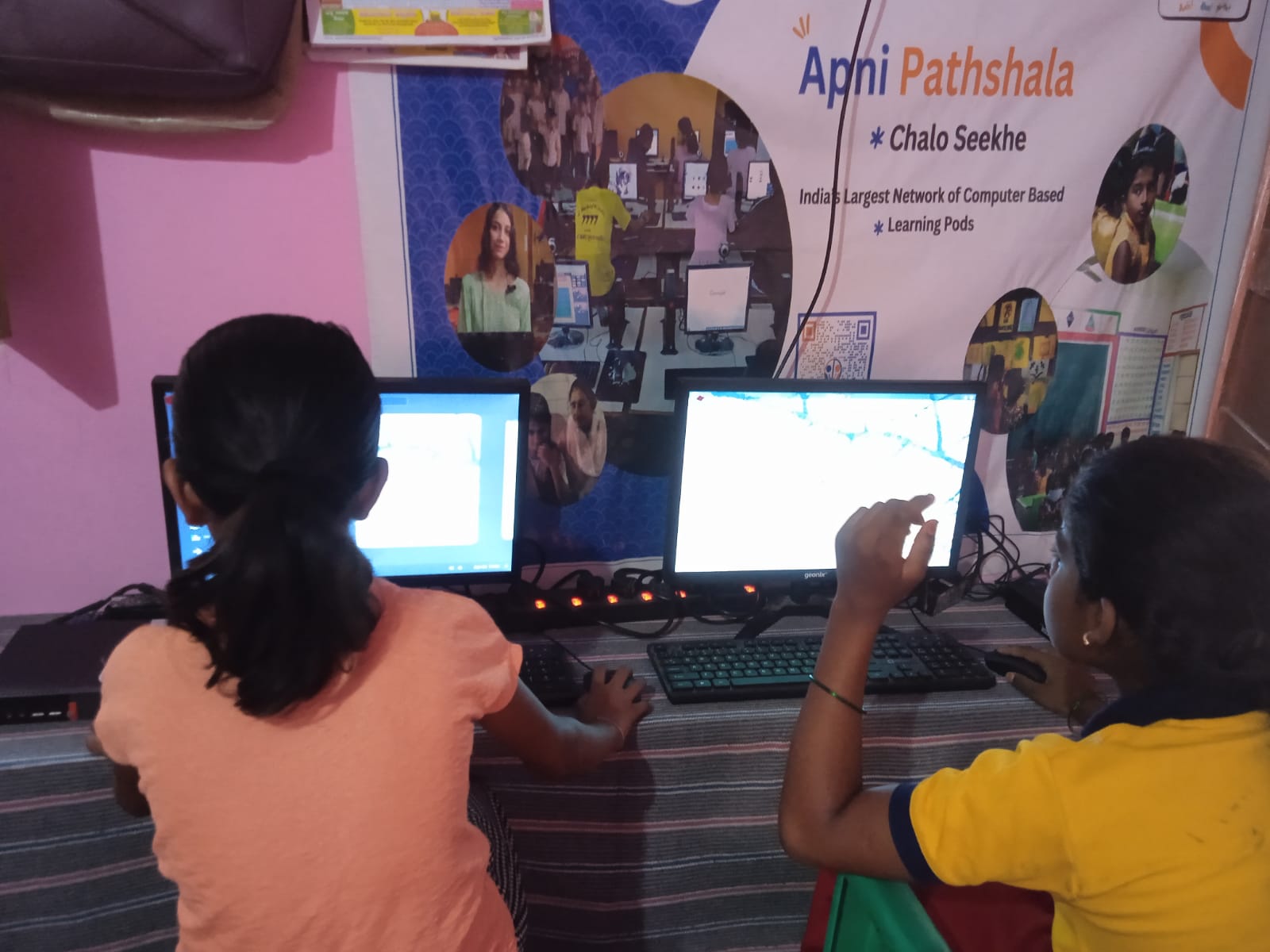
The most important shift in education research over the past decade is straightforward: you do not learn by watching. You learn by doing.
Active learning for students means genuinely engaging with material, answering questions mid-lesson, recalling information without looking at notes, solving problems, and applying concepts to new situations. Passive watching means consuming content without actually processing it. It feels productive. It rarely is.
When a student watches a 45-minute online lecture and cannot explain what it covered ten minutes later, that indicates a problem other than memory. It is a passive consumption problem. The brain never processed the information deeply enough to store it; the content passed through without leaving a trace.
This is why two students can watch the exact same video and walk away with completely different outcomes. One was actively thinking, pausing to question, and writing notes in their own words. The other was physically present but mentally somewhere else. The content was identical. The learning was not.
Learning vs. Memorization: The Gap That Shows Up in Exams
There is a crucial difference between learning vs. memorization that most students, and many parents, never fully come to terms with.
Memorization is temporary. You hold information just long enough to write it in an exam, and it disappears within days. Real learning means understanding something well enough to use it in a different context, explain it to someone else, or apply it to a problem you have never seen before.
Online environments, when not used correctly, tend to produce memorization at best. Students copy notes from slides without considering them. They replay videos passively. They highlight text without pausing to understand it. None of these activities build genuine understanding; they only create the feeling of studying.
According to the Central Board of Secondary Education (CBSE), board examinations are designed to test application and understanding, not just recall. A student who only memorized formulas will struggle the moment a question is framed differently. A student who understood the concept would adapt.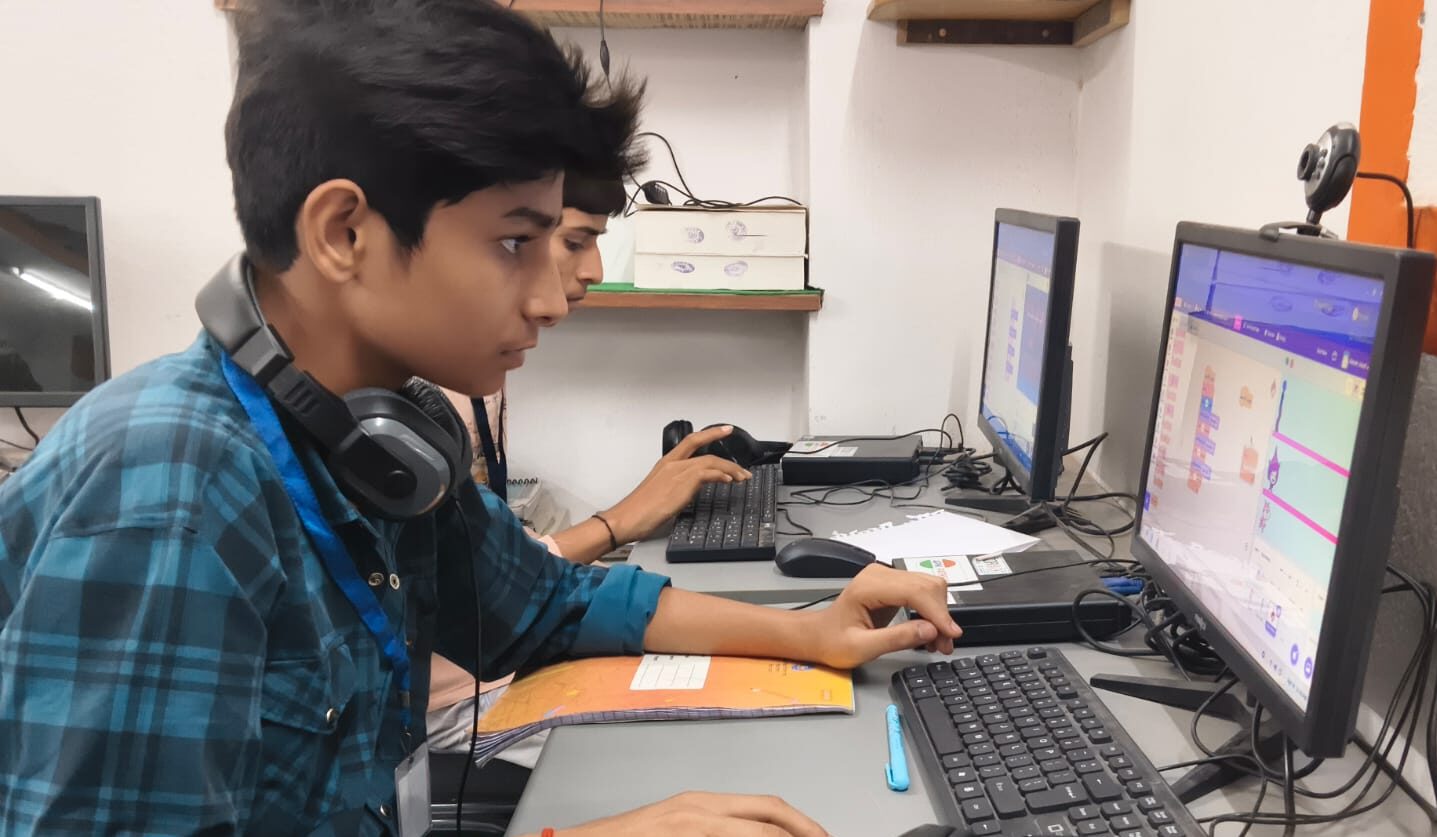
Real learning happens when the brain works productively, when a student tries to recall something without looking at their notes, attempts a problem they’re unsure how to solve, or explains a concept back to someone. That productive effort is what builds lasting knowledge.
Giving Online Learning a Chance to Actually Work
Online learning, used correctly, can be more effective than a crowded classroom. The key is giving the student the right conditions to engage actively, not just attend passively.
This starts with a personal device. A student who shares a phone or laptop cannot pause mid-lesson to take notes, rewind a confusing explanation, or practice exercises between sessions. The physical constraint directly limits the quality of engagement. A rushed session on a shared screen is almost always a passive session.
When a student has their own computer, with a full keyboard, stable connection, and uninterrupted access, they can slow down where they need to, revisit what they missed, and work through material at a pace that builds real understanding. DIKSHA, India’s national digital learning platform, offers rich learning resources built for exactly this kind of self-paced, engaged study, but only a student with their device can truly use it that way.
Read more about why every Indian student needs their own computer at home and why the biggest advantage a student can have today isn’t marks; both point to the same truth: the right access shapes the quality of every learning hour.
Online learning effectiveness doesn’t come from screen time. It comes from the quality of engagement behind it. Apna PC gives Indian students a personal computer at ₹21,000 (shipping and GST excluded), built so every online session becomes a real learning session, not just attendance. Visit apnapc.com to learn more.