


Every parent knows the scene. The school bag lands on the floor, the phone comes out, and somehow an hour disappears before the first book opens. These daily delays may seem insignificant at first, but over time, they gradually undermine a child’s development. Building strong study habits for students is not just about sitting down with a notebook. It starts with understanding what causes the delay and what makes it easier to simply begin.
Problems: Why Do Small Delays Add Up to Big Problems?
Most students do not skip studying entirely; they delay it. A snack stretches into a long break. A “quick” video becomes thirty minutes long. Notifications pull attention away before a single page is read. Each interruption feels harmless on its own, but together they gradually train the brain to resist focused work.
Student productivity is not just about intelligence or effort; it is about showing up to study time without resistance, day after day. When delays become a daily pattern, the child begins to fall behind quietly. No single day feels like a crisis. But over a full term, the compound effect becomes visible: syllabus left incomplete, revisions rushed, and exam stress that did not have to exist.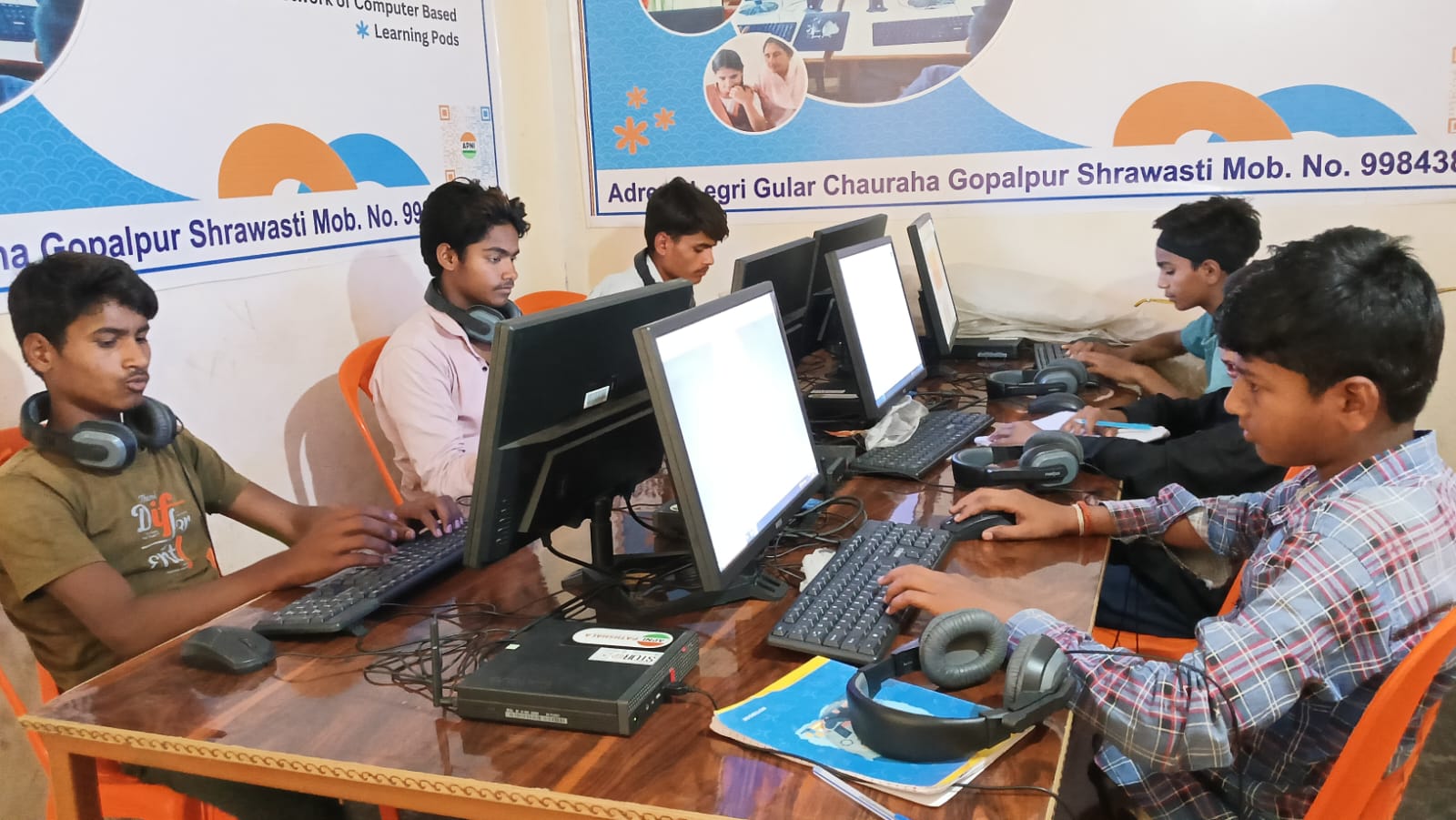
The frustrating part is that most students genuinely want to do well. The battle is rarely about willingness; it is almost always about starting. Once a child enters a subject, they usually focus just fine. The problem lives in the first ten minutes of every study session. By removing that initial friction, the rest of the study session becomes easier.
What an Effective Study Routine Actually Looks Like
Most advice on study routines focuses on what to study. Very little addresses when and how to begin. However, the beginning is crucial. A student who sits down at the same time every day, with everything they need already in place, will accomplish more in 45 focused minutes than one who “studies for three hours” with constant interruptions and restarts.
An effective study routine does not need to be rigid or complicated. It just needs to be consistent. A few things make a real difference:
- A fixed start time — rigid, no “one more episode.”
- A distraction-free space — phone kept away, background noise reduced
- A short plan for each session should include which subject to tackle first and what specific tasks to complete.
- A proper desk and chair rather than studying on the bed
That last point matters more than most parents realize. The brain associates physical spaces with activities. A bed signals rest. A study desk signals work. Creating a clear “study zone” prepares the mind for focus before a single book is even opened. It is a small change with a surprisingly large effect on how quickly a child settles into the session.
The study challenges that often go unspoken in Indian households are primarily logistical rather than attitudinal.
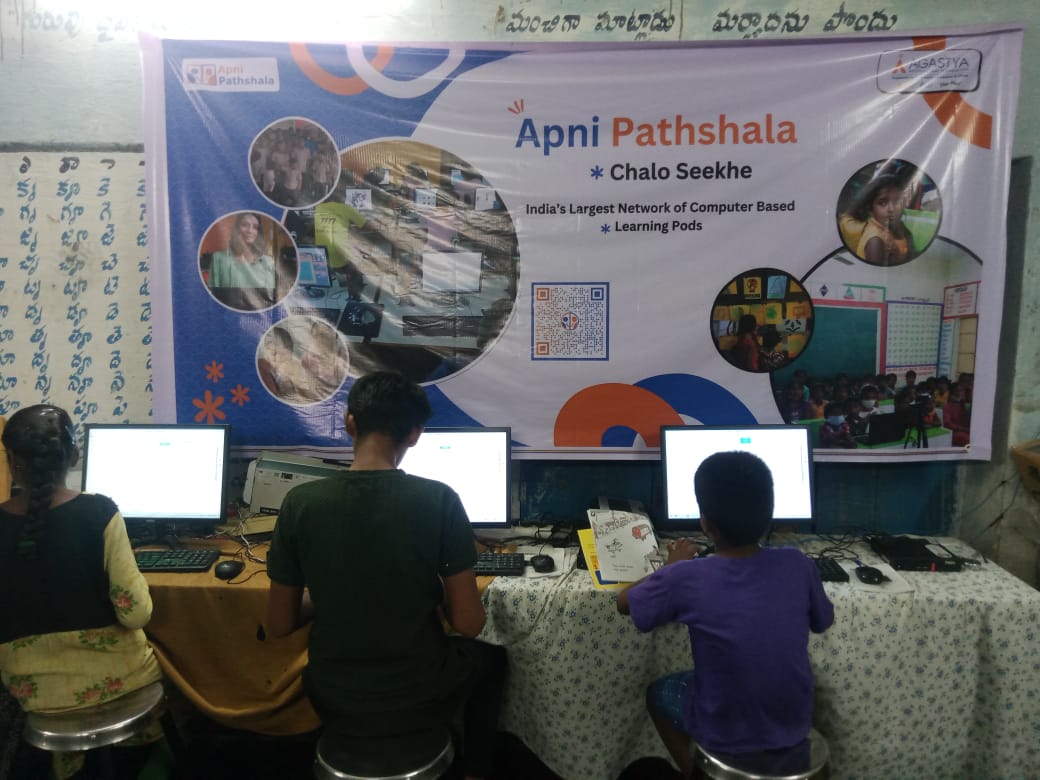
In many Indian households, the real obstacle is not attitude; it is logistics. Shared rooms with siblings. Loud common areas. Parents working unpredictable hours. And the most common issue of all: a device problem.
When a student must share a phone or tablet with siblings or wait for a family member to finish using the laptop, the delays begin even before studying starts. The motivation is present, but the friction is too high. These are genuine study challenges at home, and better intentions alone cannot resolve them.
Having a dedicated device changes everything. When a student’s computer is always ready and available—no waiting, no negotiating, no borrowing—the study routine forms naturally. The external barrier between the child and their work simply disappears.
This is the gap Apna PC was built to close. Priced at ₹21,000 (shipping and GST excluded), it gives Indian students a personal computer of their own, a personal device, not a shared family device or a borrowed phone. According to the UNICEF India education report, access to learning tools at home directly affects how consistently children engage with education.
Free platforms like DIKSHA, India’s national digital learning platform, offer quality content for students across grade levels, but only those with a reliable personal device can use them consistently and without interruption. Apna PC bridges exactly that gap.
Students who own their devices also tend to explore beyond their homework; they revisit concepts from class, practice typing, and look up topics that interest them. Learning deepens on its own, without anyone pushing. This is what the biggest advantage a student can have today looks like in practice.
If your child’s study time keeps getting pushed back every evening, the answer may not be more discipline; it may simply be better access. You can visit apnapc.com to learn more.