

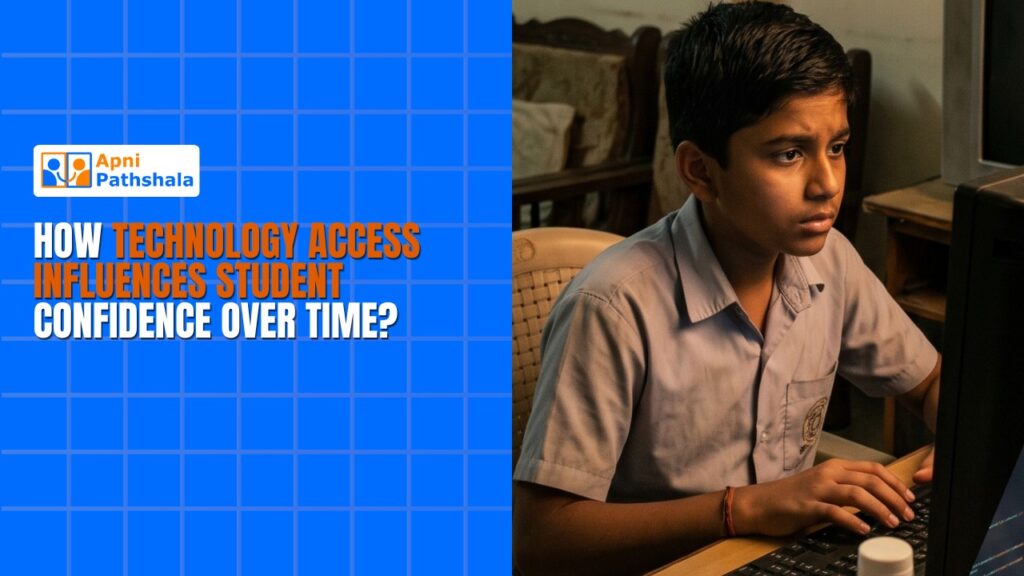
There is a kind of quiet damage that happens when a student repeatedly falls behind, not because they lack ability, but because they lack access. Over time, that gap between what they could do and what they actually get to do chips away at something important: student confidence. And once that confidence erodes, it takes far more than a good teacher to rebuild it. Early and consistent access to technology has the power to prevent that damage from happening in the first place.
How the Role of Technology in Education Shapes Self-Belief?
Confidence in students is not built solely through praise. It is built through experience, through the feeling of trying something, figuring it out, and succeeding. The role of technology in education is uniquely suited to create exactly these moments.
When a student watches a video explanation of a concept they didn’t understand in class and finally gets it, that is a confidence moment. When they attempt an online quiz, get a score, and improve on the next attempt, that is a confidence moment. When they type out a document for the first time, format it, and see it look professional, that is a confidence moment.
These small wins accumulate. Over weeks and months, a student who has access to a computer at home starts to see themselves differently. They stop saying “I’m not good at this.” They start saying, “I haven’t figured this out yet.” That shift is not accidental. It is the direct result of having a tool that responds to effort and rewards persistence.
According to the UNICEF India education report, children who have consistent access to learning technology at home show measurably higher engagement and self-efficacy in school, particularly students from disadvantaged backgrounds who have fewer opportunities for enrichment outside the classroom.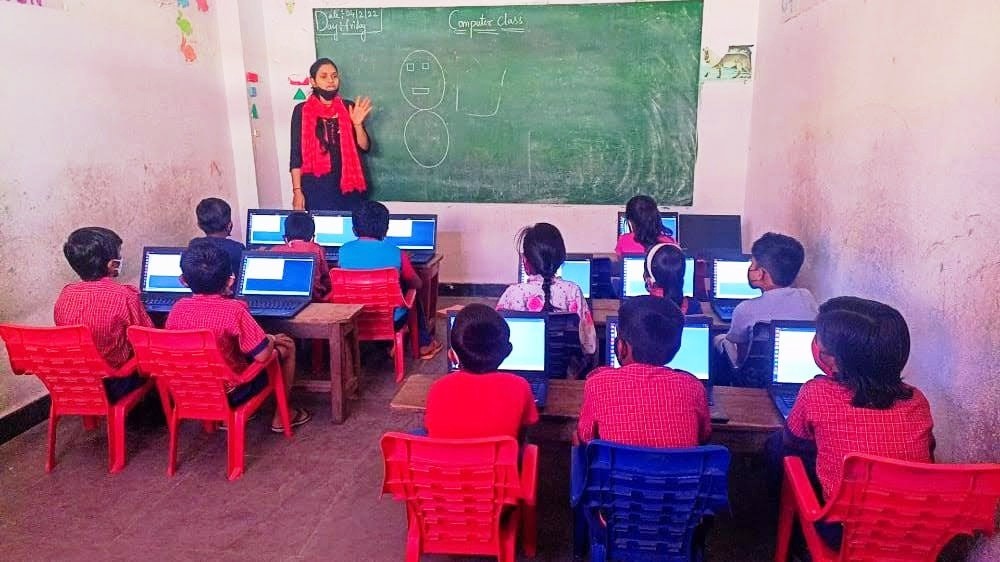
What Digital Access for Students Actually Unlocks?
The impact of digital access for students is not just academic. It touches on how a student sees their place in the world.
Think about the student who has never used a computer at home but watches classmates talk confidently about apps, platforms, and online tools. That student quietly starts to believe they don’t belong in those conversations. They pull back. They stop raising their hand. Not because they’re less intelligent, but because they feel less prepared.
Now flip the situation. Give that same student a personal computer. Within a few weeks, they are navigating the internet independently. Within a month, they are using government learning platforms to supplement their studies. Within a year, they are as fluent in digital tools as any of their peers. Their participation in class improves. Their willingness to take on challenges grows. And perhaps most importantly, their sense of possibility expands.
This is what digital access truly unlocks, not just content, but the confidence that comes from competence. The Central Board of Secondary Education (CBSE) has increasingly integrated digital components into assessments and learning frameworks, recognising that students need both knowledge and technological fluency to demonstrate it.
Students who practice using a computer at home arrive at these assessments prepared. Students who don’t navigate the tool and the content simultaneously almost always show divided attention in their results.
Confidence-Building for Students Through Consistent Digital Practice
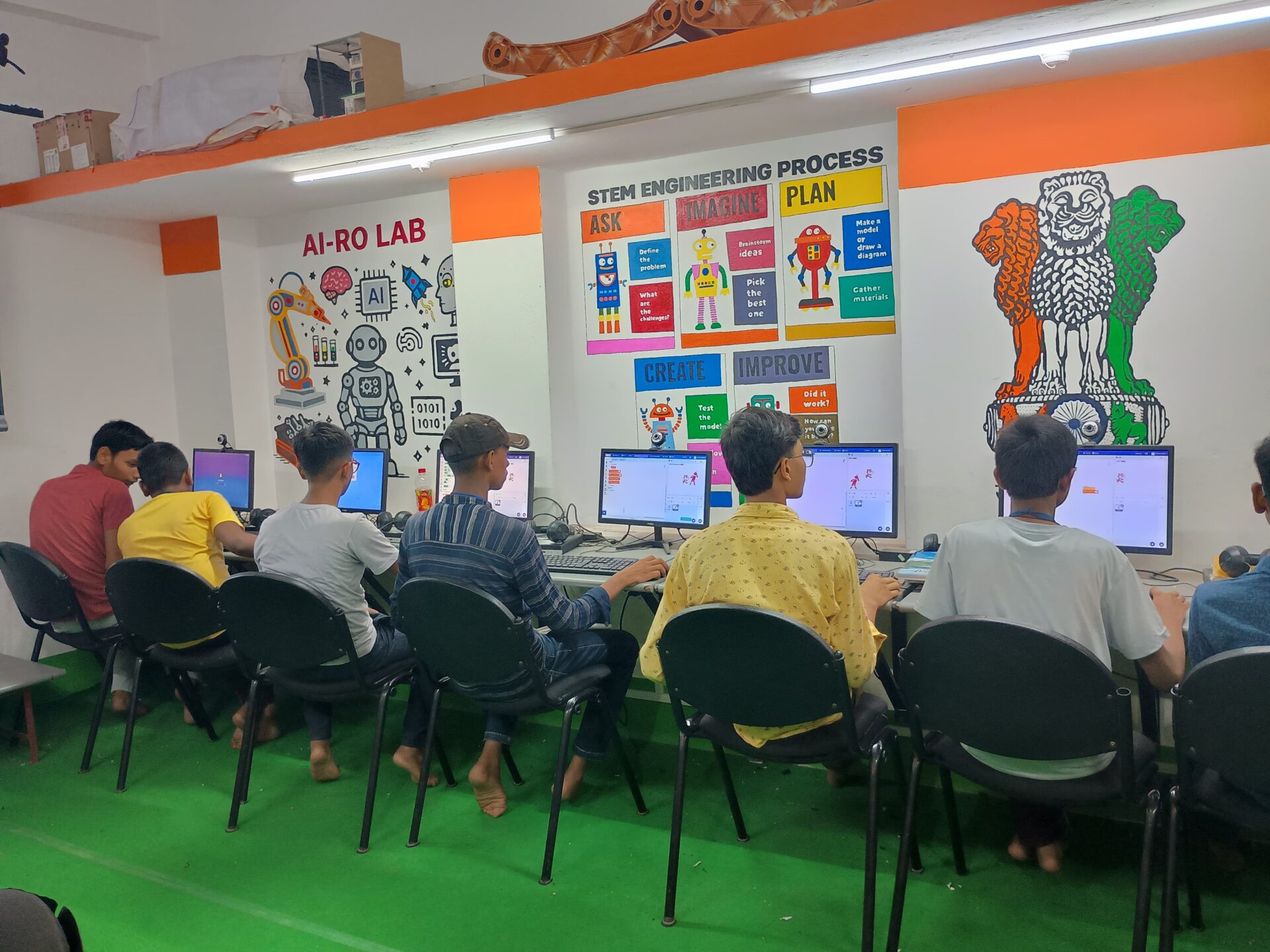
One of the most overlooked aspects of building students’ confidence is consistency. Confidence is not built in a single breakthrough moment. It is built through repeated, small successes over time.
A student who uses a computer for thirty minutes every evening builds something that a once-a-week computer lab visit simply cannot replicate. They develop muscle memory with the keyboard. They get comfortable searching for answers. They learn to evaluate which sources are reliable and which are not. They start to feel at home in digital spaces rather than being intimidated by them.
For families in Tier 2 and Tier 3 cities across India, where access to coaching, private tutors, and well-stocked libraries may not be realistic, a personal computer at home becomes the most impactful investment they can make in their child’s long-term confidence and capability.
Understanding what Apna PC is and how it helps Indian students learn better shows how an affordable, education-ready device can serve as the foundation for sustained growth. And for families weighing whether to wait, consider the hidden cost of not having a computer in 2026, because every year without access is a year of confidence that cannot be recovered.
Students do not lack confidence because they are weak. They lack confidence because they have been given fewer chances to feel capable. Access to technology, sustained over time, is one of the most direct ways to change that.
Build Confidence With the Right Tool at Home
Student confidence grows when they have the space, tools, and opportunity to practise. Apna PC gives Indian families exactly that, an affordable, education-ready computer at just ₹21,000 (shipping and GST excluded), so every student gets the chance to feel capable, prepared, and ready for what’s ahead. Visit apnapc.com to learn more.