


Most students don’t fall behind because they stop caring. They fall behind because they can’t stay consistent. Building consistent learning habits is one of the hardest things a student has to do, not because they lack motivation, but because nothing in their environment is designed to support it. The real question isn’t whether a student wants to learn. It’s why they keep stopping.
Why Students Lose Consistency, And It’s Not About Willpower?
Almost every student has had a good week. A few days of solid revision, clear notes, and real progress. Then something breaks the rhythm: a festival, a test, a sick day, an argument at home. And suddenly the momentum is gone.
This is why students lose consistency, and the reasons almost never come down to laziness or lack of interest. Consistency breaks when there’s no fixed time or space to study. It breaks when the phone needed for revision is being used by someone else. It breaks when progress isn’t visible, and motivation quietly fades. And it breaks when one missed day creates guilt, which creates avoidance, which makes the next day even harder to start.
Each time the pattern breaks, it becomes harder to start again. Students don’t drift; they accumulate small breaks until the habit is gone entirely. And then the exam arrives.
What a Real Study Routine for Students Actually Looks Like?
A good study routine for students isn’t about sitting for three hours without looking up. It’s about designing a pattern the student can realistically follow, even on difficult days.
Same time every day. When studying happens at a predictable time, the brain stops treating it as a decision. It becomes automatic, just what happens after dinner, or right after school. Decision fatigue disappears, and starting becomes easier.
A fixed spot with the right tools ready. A student who sits at the same desk, opens the same device, and begins the same way is already three steps ahead. Removing setup friction removes one of the biggest invisible reasons students delay and avoid studying in the first place.
Small, specific goals. “Study for two hours” is not a plan. “Complete six algebra problems and revise the water cycle chapter.” Specific goals make it easier to start and stop, both of which matter for keeping a routine alive.
Visible progress. A checklist, a simple app, or even a notebook full of ticks helps a student see what they’ve accomplished. When motivation drops, and it always does at some point, visible progress is what pulls students forward.
What Makes Learning Habits Effective Over Time?
The difference between effective learning habits and habits that collapse within two weeks is almost always the environment in which they were built.
A student studying in a noisy room, sharing a phone with siblings, and getting distracted by notifications every few minutes isn’t building a habit. They’re fighting one battle after another just to concentrate. The effort is real. The system is working against them.
Effective habits develop when the environment supports the student rather than competing with them. That means having a device that belongs only to the student, not shared, not borrowed, not suddenly needed by someone else mid-session. It means access to learning resources, so study time doesn’t stall every time a concept isn’t clear from the textbook. It means a routine that doesn’t collapse at the first sign of a distraction.
The Digital India initiative recognises that consistent at-home learning depends on having the right infrastructure, not just in classrooms, but in the homes where students spend most of their day. DIKSHA India’s national digital learning platform was built on the same understanding: quality learning tools must be available to students beyond school hours, at home, on demand.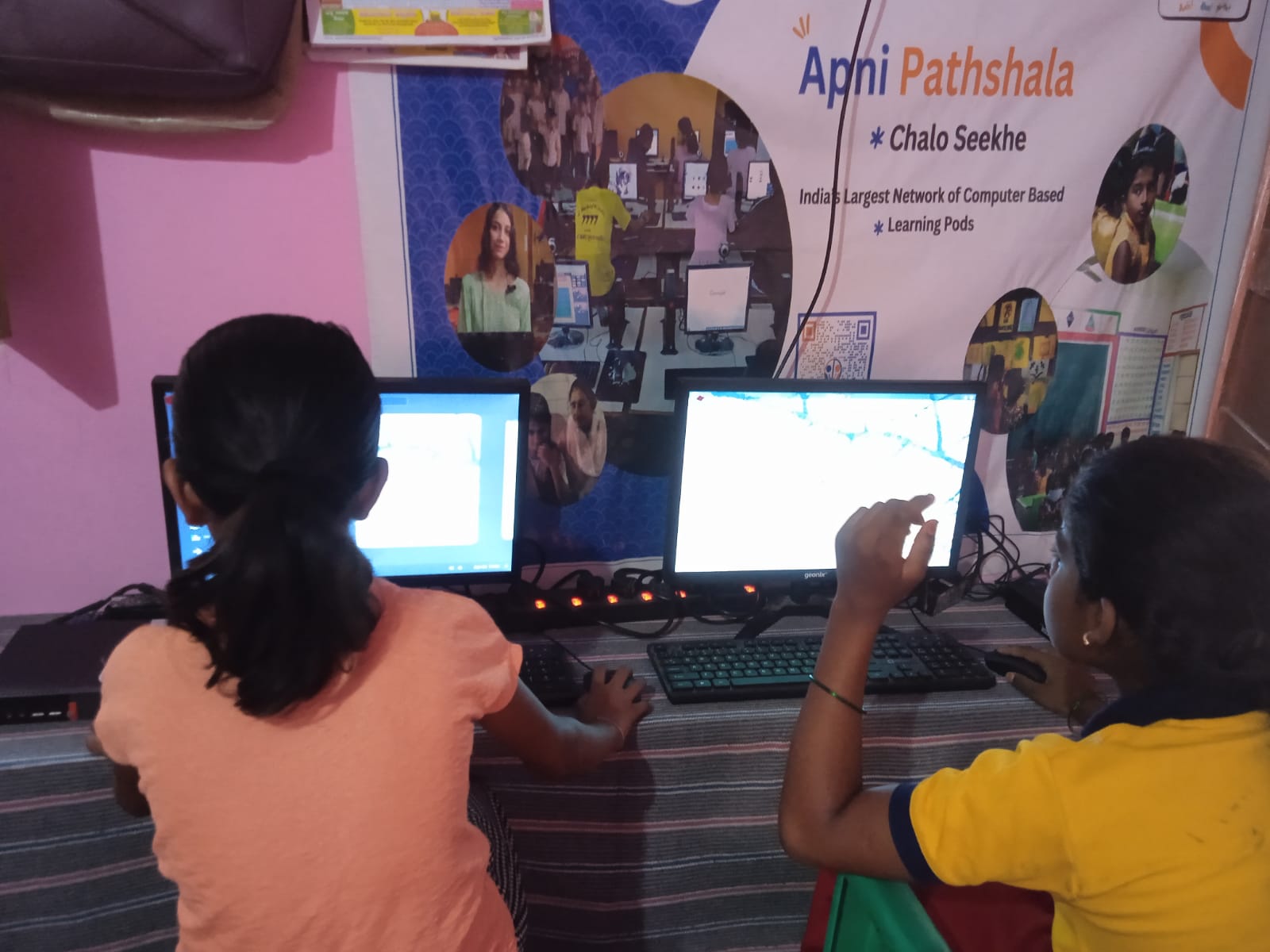
The One Change That Makes Consistency Possible
Ask any student who has built consistent learning habits what actually changed, and most will point to a moment when their environment improved. A proper desk. A quieter evening. And almost always, their own dedicated device.
Without a personal computer, maintaining a study routine is like trying to run on a treadmill that keeps stopping. The student’s effort is genuine, but the system isn’t built to let it succeed.
The Hidden Cost of Not Having a Computer in 2026 isn’t measured only in missed marks; it’s measured in habits never formed, confidence never built, and potential quietly lost year after year. The Biggest Advantage a Student Can Have Today isn’t a shortcut; it’s a stable foundation that makes everything else possible.
Apna PC gives Indian students the foundation they need at just ₹21,000 (shipping and GST excluded), an affordable, education-ready computer built for the realities of Indian homes. Because consistency is only possible when the right tools are always there, every single day.
A student doesn’t need more pressure to be consistent; they need an environment that makes it easier. Visit apnapc.com to learn more.