

Walk into any classroom in India, and you will find students with identical textbooks working toward the same exam. But step back and look at their homes, and you see a very different picture. The role of technology in education today is not just supportive; it is decisive. The student who gets home and opens a personal computer does not just cover more ground. They learn differently, more deeply, and at a pace that others without that access simply cannot match.
The Real Impact of Technology on Learning
Technology changes how students learn, not just where they learn. The impact of technology on learning is most visible in the small, daily moments: the student who replays a confusing explanation until it makes sense, the one who tests themselves with a practice quiz before bed, or the one who finds a diagram that explains in seconds what a textbook paragraph could not explain in ten minutes.
When students have consistent access to computers, learning stops being passive. Instead of reading and hoping things stick, they engage, practise, and verify. This active loop, encounter, question, explore, apply, is what turns information into understanding. That cycle of learning is only possible when a student has a device ready and available whenever they are.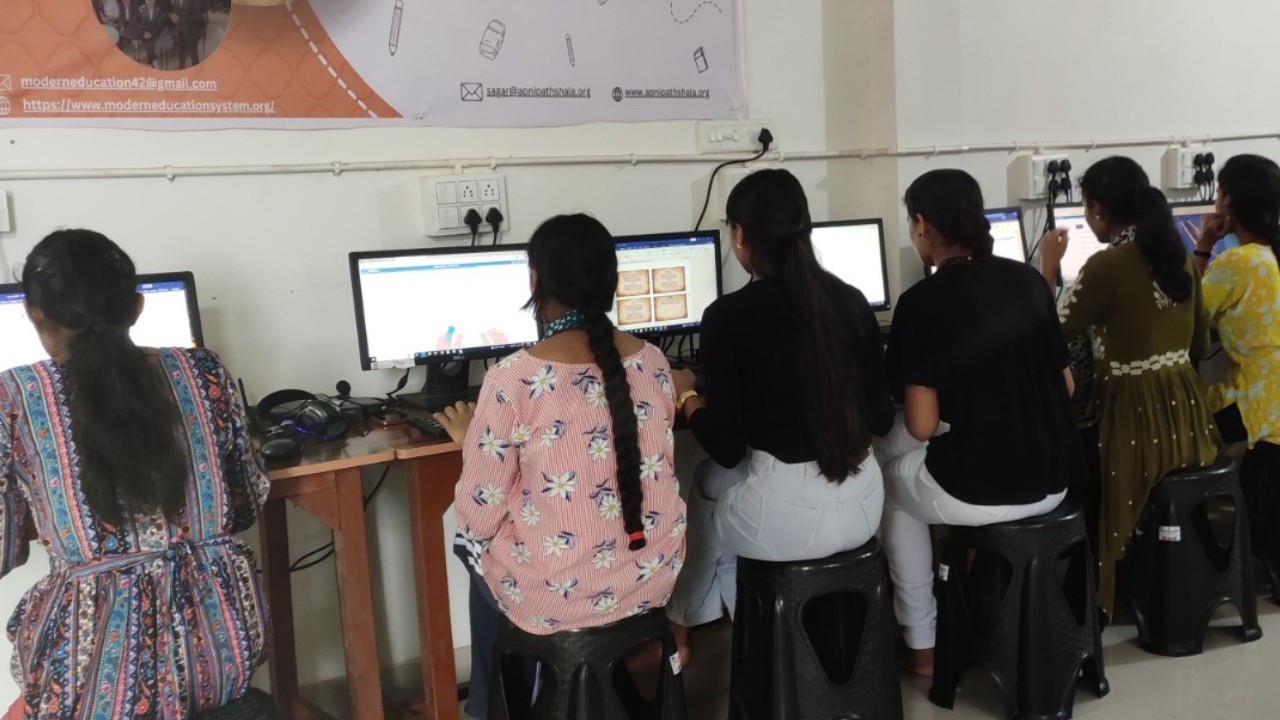
Without that technology, students are largely dependent on one source: the teacher and the textbook, explained once, in class. That is not enough in a world where knowledge is available in multiple formats and a student’s job is to find the version that works for them. According to the India.gov.in education portal, bridging learning gaps requires both access to content and the tools to engage with it consistently.
What Digital Learning for Students Actually Builds Over Time?
Digital learning for students is about far more than academic subjects. A student who regularly uses a computer develops a layer of skills that lie beneath the syllabus, and these are the skills that determine outcomes in higher education, competitive exams, and careers.
They become faster at finding information. They learn to evaluate sources and cross-check facts. They get comfortable with tools, documents, spreadsheets, and presentations, which every employer expects young professionals to already know. These are not skills you pick up from a textbook. They are built through daily use.
Consider what happens when a student practises typing every evening. Within a few months, they are faster and more accurate. That speed compounds; they write faster in exams, finish assignments with less effort, and have more mental energy left for thinking rather than the physical act of keeping up. A student without that daily practice carries a disadvantage that is invisible at first and undeniable later.
How a Personal Computer Helps Students Learn is not simply about studying harder. It is about building the complete skill set that modern learning and modern careers both demand from day one.
Why Technology Access for Students Remains an Unequal Reality?
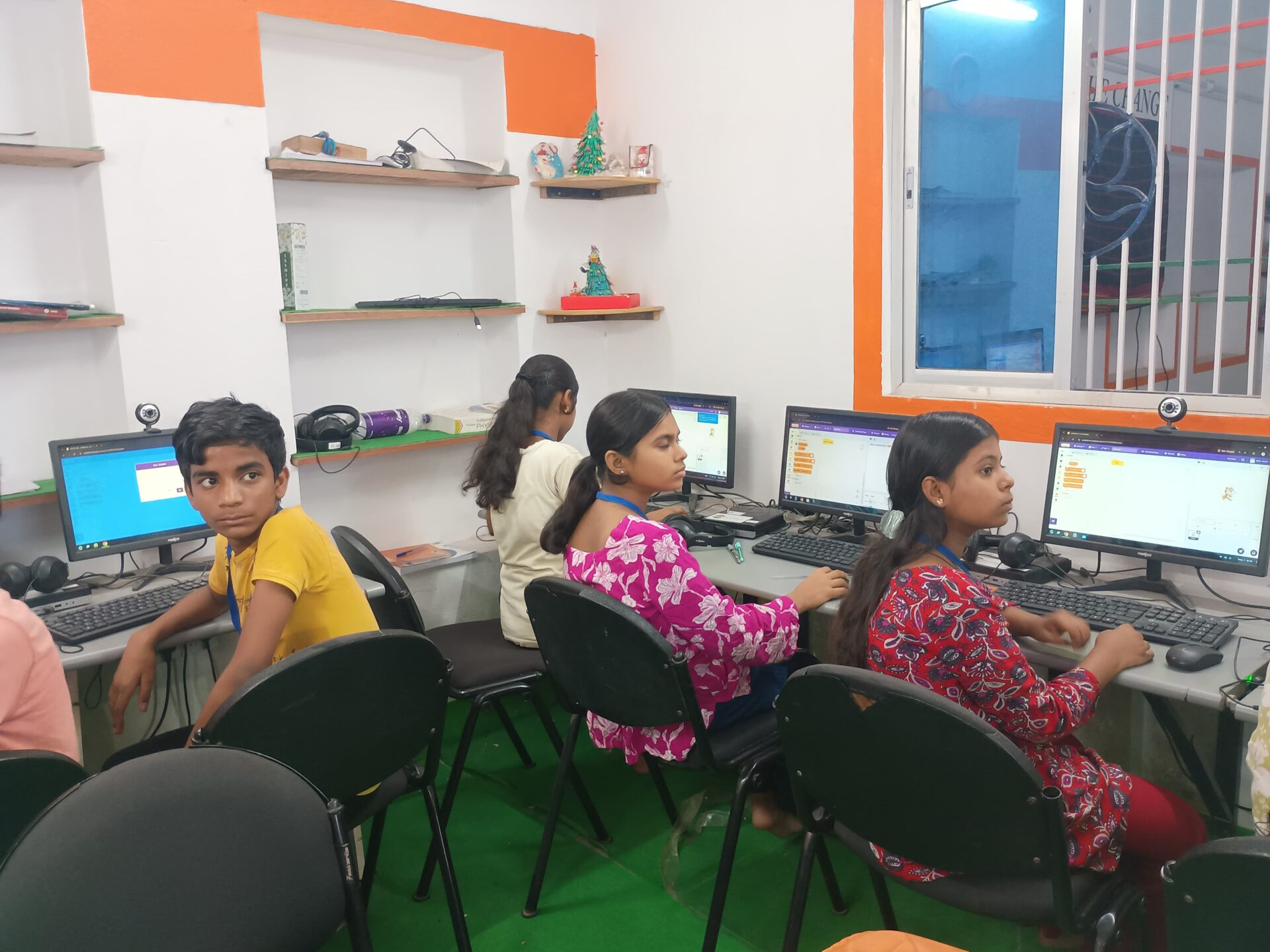
Access to technology for students in India is not evenly distributed, and the gap is wider than most people acknowledge. Urban and wealthier households often have multiple devices. Students in smaller cities and middle-income families may share one phone among three or four people. This is not just an inconvenience. It is a compounding educational disadvantage.
According to NCERT (National Council of Educational Research and Training), learning outcomes across India vary significantly based on the resources available at home. A student with a dedicated device, consistent access, and the ability to study without interruption is not just more informed; they are more confident, more independent, and more capable of directing their own learning.
The students who are pulling ahead in competitive exams and college admissions share one quiet advantage that rarely gets discussed openly. As explored in The Biggest Advantage a Student Can Have Today, it is not always marks or coaching; it is consistent access to the right tools, every day, at home.
Closing the Gap Starts With One Practical Decision
Apna PC was designed specifically for this problem. It is an affordable, student-ready computer built for Indian students in Tier 2 and Tier 3 cities, where academic ambitions are high but practical budgets are real.
At ₹21,000 (shipping and GST excluded), Apna PC puts a dedicated personal computer in a student’s hands. No sharing. No waiting. No losing study time because a sibling or parent also needs the device. It is not the most expensive computer; it was never meant to be. It was built to do exactly what a student needs every evening: give them uninterrupted time to practise, revise, and grow.
The students pulling ahead are not always the most talented. They are often simply the ones who have had the right tools long enough for daily practice to compound into real capability. That is the advantage technology in education creates, and it is available to every family that chooses to prioritise it.
Technology in education has stopped being optional. Students with consistent access are moving faster, and the gap widens every year. If your child is ready to learn, make sure they have the tools to match that effort. Visit apnapc.com to learn more.