

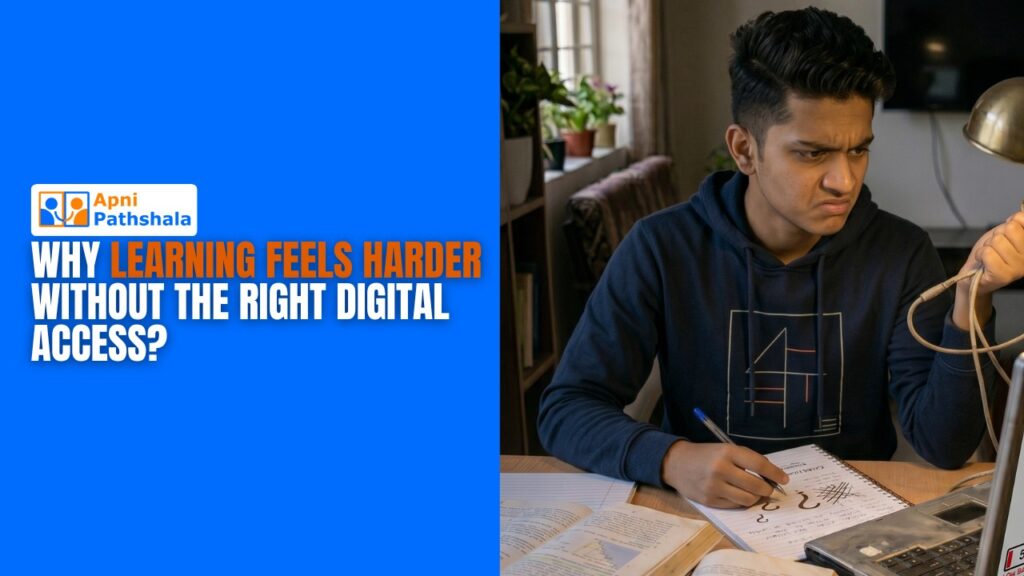
A student who studies three hours at home or one who studies one hour but with the right tools, who performs better? In most cases, it is the second student. The reason is straightforward: digital access for students is no longer just a convenience. It is the invisible infrastructure behind every competitive learner today. Without it, even the hardest-working student is running a race carrying extra weight that others around them simply do not have.
Why Digital Access Matters More Than Most Parents Realise?
The importance of digital access in education goes well beyond watching YouTube videos or browsing the internet. It is about a student having the tools to research, revise, and practise at their own pace, without depending on someone else’s schedule or device.
When a student has reliable digital access at home, they can:
-
- Revisit lessons they did not fully understand in class.
-
- Access free study resources, mock tests, and topic explanations
-
- Build typing, research, and presentation skills through daily use.
-
- Stay comfortable with the tools for every future job and exam demands.
A student who practises on a computer every evening is not just covering the syllabus. They are building habits and abilities that grow steadily over months and years. This is the kind of progress that does not show up immediately, but becomes undeniable by the time competitive exams arrive.
What Technology Access in Learning Actually Looks Like Day to Day?
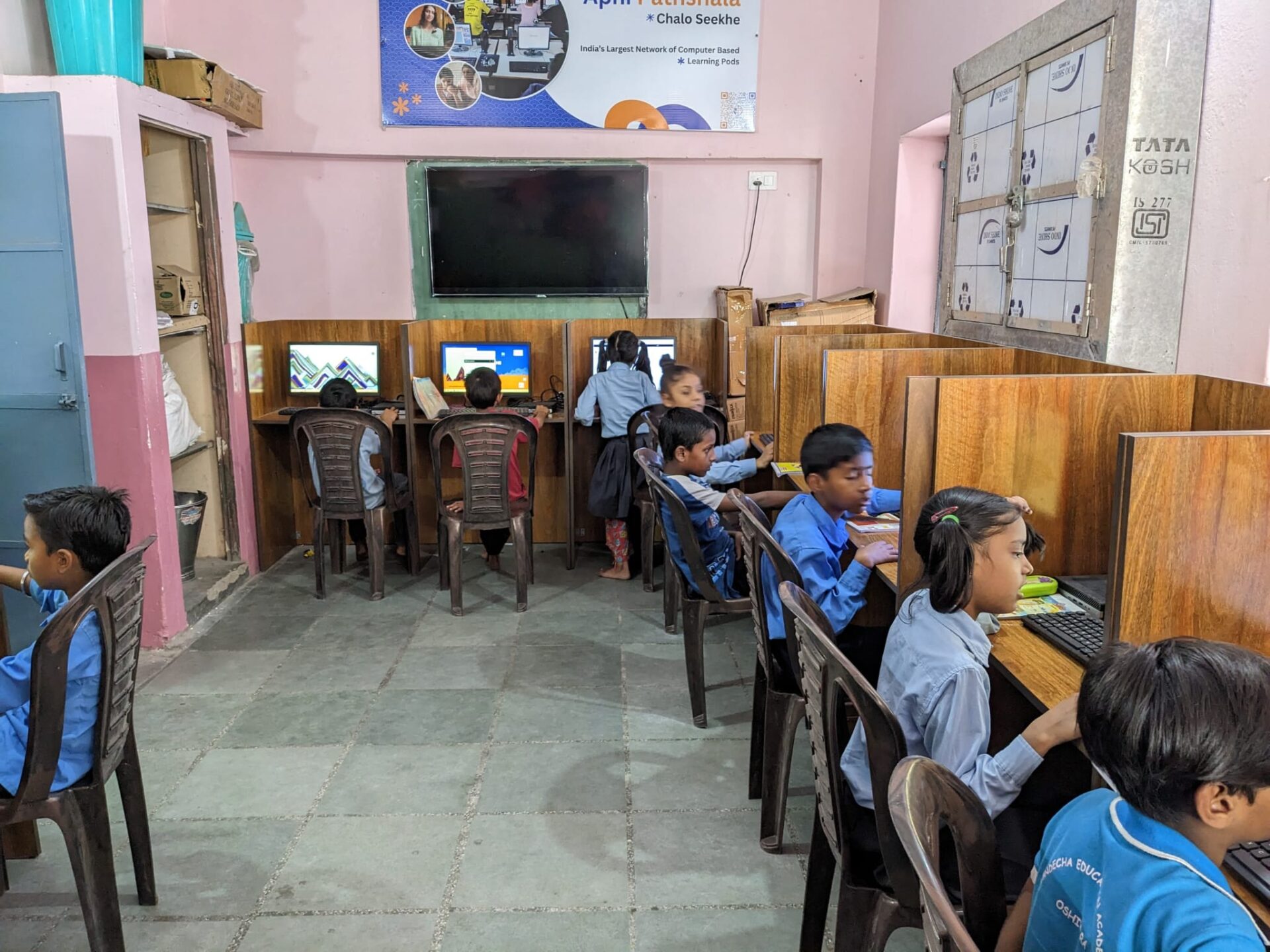
Access to technology in learning is not about owning the latest gadget. It is about having a stable, personal device that a student can use without interruption, whenever they need it.
Think about a typical evening for a student without their own computer. They finish school, come home, and need to revise. The family phone is with a parent. A sibling has borrowed the tablet. The laptop, if there is one, is being used for something else. By the time they get access, the evening is half over, and the energy to study has faded.
Now, think about a student with their own computer. They sit down, open their books, search for what they need, practise, and revise without interruption. They spend that time actually learning, not waiting, not negotiating, not adjusting to a device that was never meant for them.
This difference, repeated every single day, builds an enormous gap over the course of a school year. Over three or four years, it becomes the difference between a student who is prepared and one who is always catching up.
The Real Digital Learning Challenges Students Face at Home
Digital learning challenges in India are not always about a lack of internet. Many families now have mobile data. The problem is that phones are small, shared, and not designed for productive, focused study.
A student typing an assignment on a phone makes constant errors. A student watching a tutorial on a small screen misses details. A student who cannot save files, open multiple tabs, or use educational software is working with a tool that was never built for serious academic work.
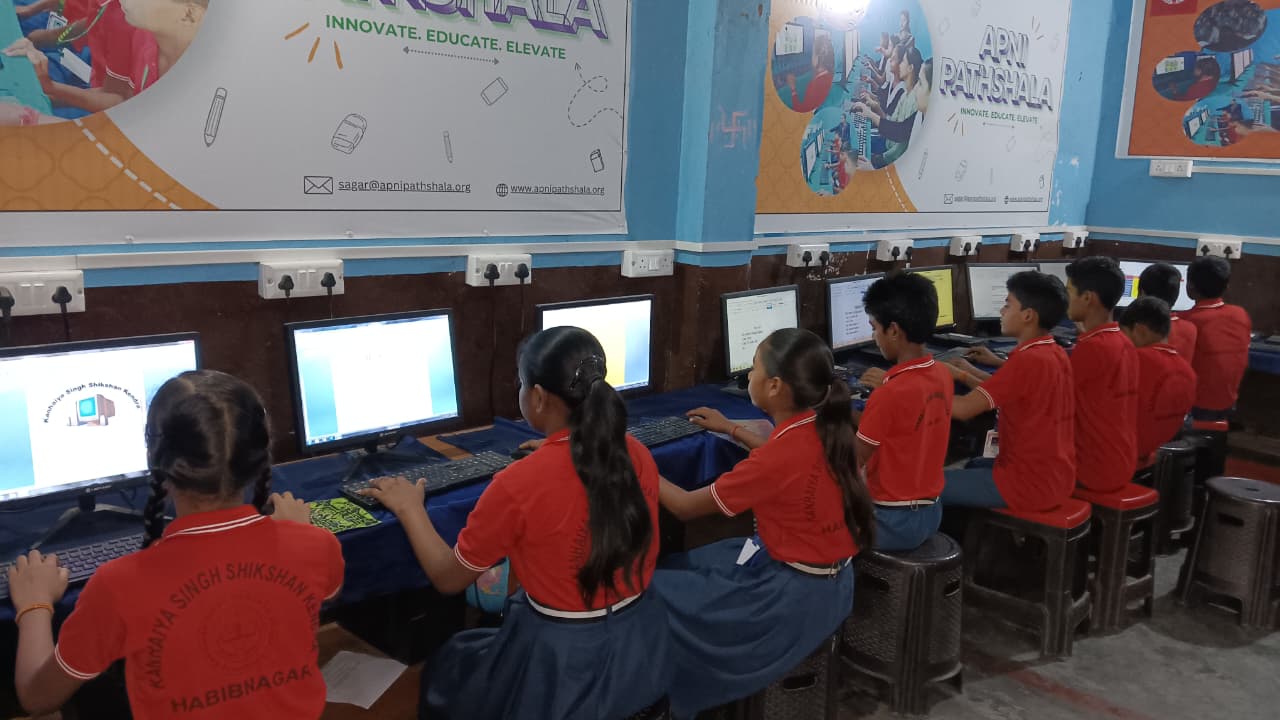
Students in Tier 2 and Tier 3 cities feel this most acutely. Their schools may have computer labs, but lab time is limited and shared across many students. What happens at home, the daily practice, revision, and exploration, is what determines how much of classroom teaching actually sticks.
The Digital India initiative has made real progress in bringing connectivity to more households. But connectivity without the right device is only half the solution. A student with internet but no proper computer is still working with a significant disadvantage.
As explored in Why Every Indian Student Needs Their Own Computer, consistent home access to a personal device is what separates a student who is just keeping up from one who is steadily moving ahead.
The Gap That Quietly Grows When Access Is Missing
When students lack consistent digital access, the consequences go beyond academics. It becomes a confidence gap. Students who are not comfortable with computers grow into young adults who hesitate during job interviews, struggle with digital processes, and feel behind in workplaces where basic computer literacy is assumed from day one.
The Hidden Cost of Not Having a Computer in 2026 is not just a missed assignment or a lower test score. It is a slow, compounding disadvantage that begins the moment a student starts missing out on the daily digital practice that peers with personal devices build every evening.
Apna PC was built to solve this problem for regular Indian families. At ₹21,000 (shipping and GST excluded), it gives students a personal, study-ready computer, not for gaming or entertainment, but built for learning. In cities where private coaching fees are rising and competition is getting harder, giving a child their own device may be the most practical and impactful investment a parent makes this year.
DIKSHA India’s national digital learning platform- already offers vast, high-quality content for free. What students need is consistent, personal access to actually use it every day.
Digital access for students is not a luxury; it is the foundation every serious learner needs today. If your child is working hard but still sharing a device or waiting their turn, it is time to change that. Visit apnapc.com to learn more.