

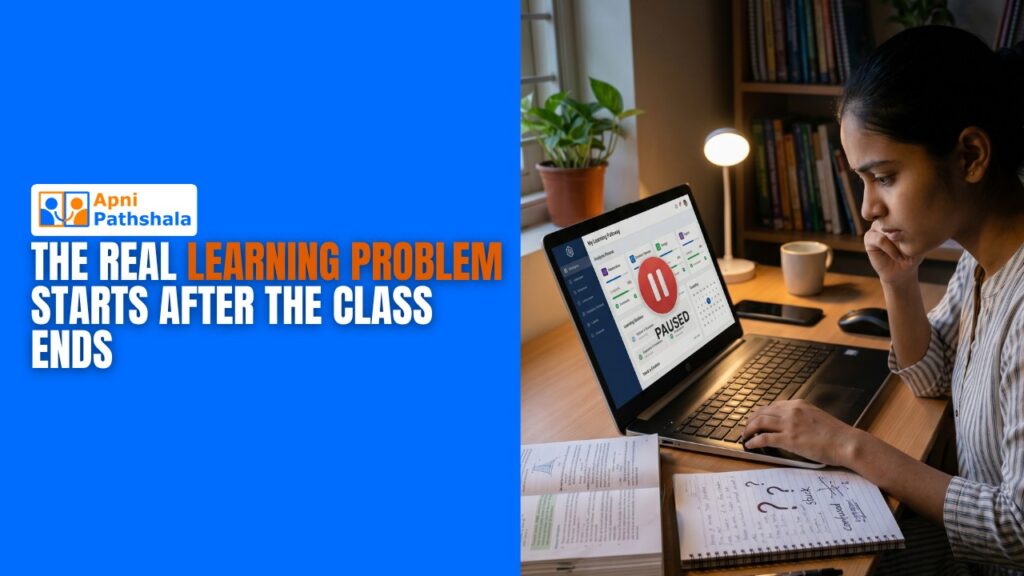
School ends at 3 PM. The bell rings, notebooks close, and students head home. But for most students in India, the real test of learning begins right there, not in the classroom, but in the hours that follow. After-school learning is where concepts are either solidified or forgotten, where curiosity is either nurtured or quietly neglected. And for millions of students across Tier 2 and Tier 3 cities, this window of time is the most under-supported part of their entire education.
We spend enormous energy improving what happens inside school: better teachers, updated syllabi, more assessments. But we rarely ask: what is the student going back to when the school day ends? That question has a greater impact on outcomes than most of us are willing to admit.
Why Home Learning for Students Is Where Results Are Actually Made?
A single school day cannot do everything. A teacher manages 30 to 40 students in a class. There is no time to pause and confirm that every student understood every concept before moving forward. There will always be gaps, a formula not fully grasped, a paragraph read but not absorbed, a concept that made sense in class but fell apart the moment the student sat down alone.
This is where home learning for students becomes the deciding factor. Students who consistently perform well are almost never the most naturally gifted; they are the ones who go home and fill those gaps. They revise. They practise extra problems. They look up what confused them and find a different way to understand it.
But that process depends entirely on what a student has access to at home. If they have a personal device, a reliable connection, and a quiet place to focus, they can do it. If they have none of those things, the gap that opened during school hours stays open, and every new lesson widens it.
The students who close gaps fastest are not the ones with the best teachers. They are the ones with the best home conditions. That is an uncomfortable truth, but it is the one that matters most when we are trying to actually improve learning outcomes.
The Problem With Asking Students to Study After School Without the Right Tools
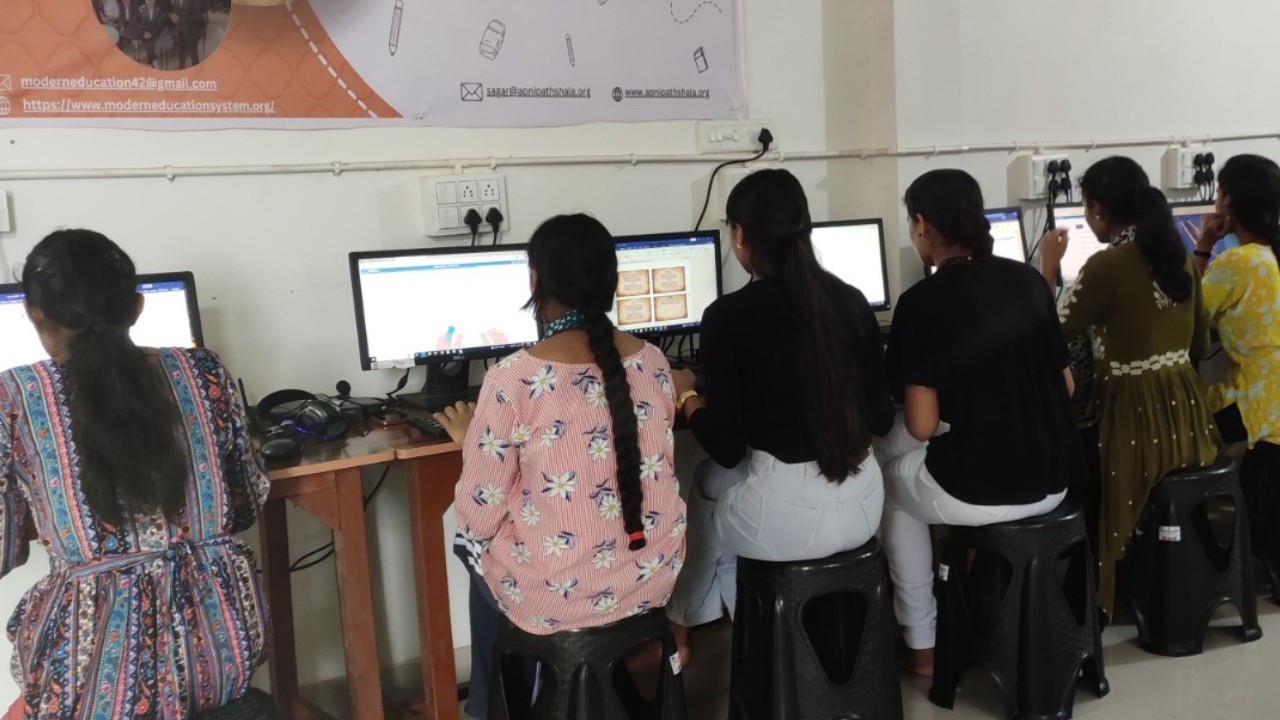
Telling a student to study after school without giving them the tools to do so is like asking someone to cook without a stove. The expectation is reasonable. The outcome is frustrating. And the blame almost always lands on the student.
Think about what studying after school actually requires. A student needs to revisit the day’s lessons, practise problems or written exercises, look up concepts that did not fully land in class, and sometimes explore a topic further just because they are curious. Every one of these steps is dependent on having access to the right resources.
For a student sharing one smartphone with three or four family members, none of that is reliably possible. The phone is in use. The mobile data is limited. The screen is too small for extended reading. And a shared device never feels like a personal learning space; it feels borrowed, temporary, and always on the verge of interruption.
So the student does what they can with what they have. They read the textbook. They write answers they are not sure about. And they hope the next day’s class will clarify what they missed. Sometimes it does. Often it does not.
DIKSHA India’s national digital learning platform offers thousands of free lessons, videos, and assessments mapped to all major boards and languages. It is one of the most powerful free learning resources available to Indian students. But accessing it meaningfully requires a proper screen and a stable connection, not a struggling shared phone with data that may or may not last the evening.
The resource exists. The student exists. What is missing is the bridge between the two: a personal device that the student can call their own.
What Learning at Home Really Needs to Look Like?
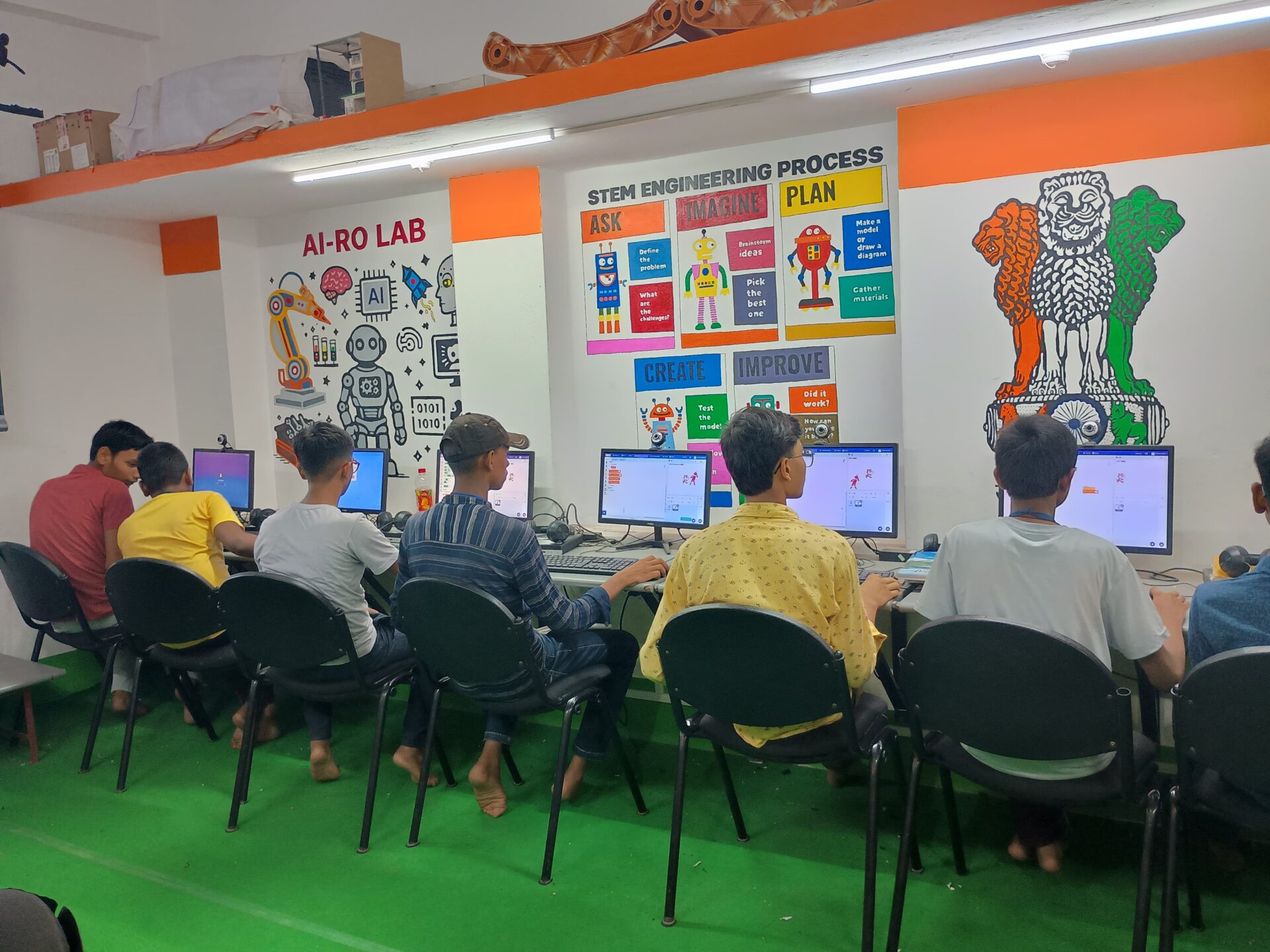
Effective learning at home in 2026 is not about sitting at a desk for hours with a textbook open. That model worked for a different time. Today, real home learning means moving between topics, practising interactively, exploring beyond the syllabus, and revisiting concepts as many times as needed, all at the student’s own pace, without depending on anyone else’s schedule.
For that kind of learning to happen, a student needs a personal computer that they own and can use whenever they choose. Not borrowed. Not shared. Theirs.
When a student has that, the after-school hours transform completely:
- They can revise the day’s lessons before the lessons fade from memory.
- They can access free resources, NCERT solutions, YouTube education channels, and practice tests.
- They can learn to type and present work digitally, a skill that matters deeply in higher education and employment.
- They can explore subjects they are genuinely interested in, building knowledge that goes far beyond the exam syllabus.
- They can develop the habit of independent learning, one that stays with them long after school ends.
These are not small gains. They add up, week by week, into a student who is confident, capable, and self-directed. The kind of student every teacher wants in their class and every parent hopes their child will become.
According to the India.gov.in education portal, building students’ capacity for independent learning is a key priority of India’s national education policy, because classroom instruction alone cannot deliver the outcomes the country needs.
This is exactly why Why Every Indian Student Needs Their Own Computer at home is not a question of luxury; it is a question of basic educational fairness. And it is why Apna PC exists.
Apna PC is a personal computer built specifically for students in Indian Tier 2 and Tier 3 cities, priced at ₹21,000 (shipping and GST excluded), so that the families who need it most can actually afford it. It is not a compromise device. It is a purpose-built tool for students who deserve a real shot at independent learning. You can also read about The Hidden Cost of Not Having a Computer in 2026, because every year without the right tools is a year a student cannot get back.
The classroom will always matter. But the hours after class are where the real difference is made. Give your child the tools to make those hours count. Visit apnapc.com to learn more.