

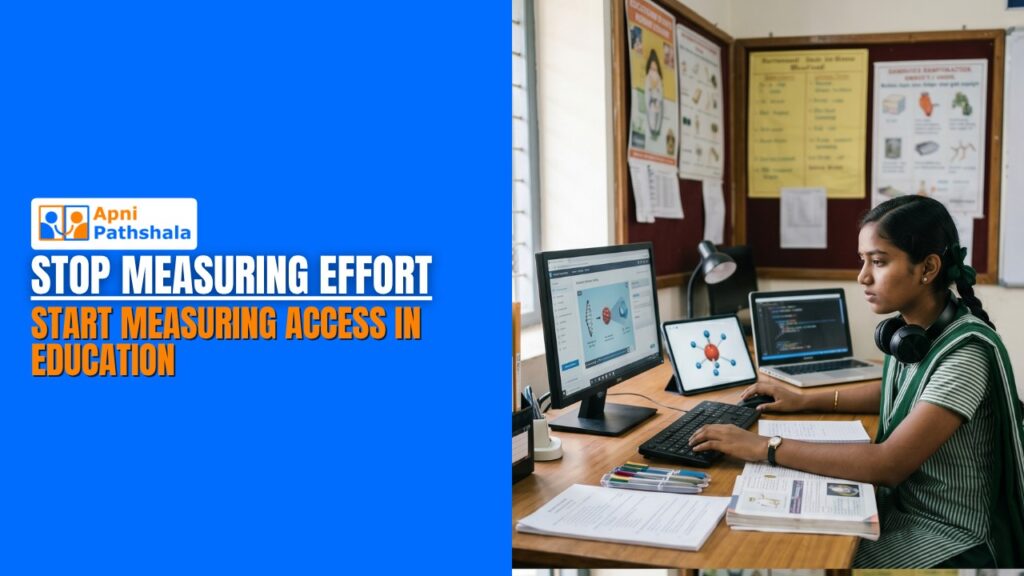
A student in class 9 spends three hours on homework every night. She reads the chapter twice, writes neat notes, and never skips a class. Yet her marks stay stuck, and her teacher calls her a slow learner. This is one of the most common student learning problems in India, when genuine effort goes unrecognised because the system is not looking at the right things. Before we judge the student, we need to look at what they are actually working with.
The answer is rarely laziness or a lack of focus. In most cases, the real barrier is something we rarely talk openly about: the lack of proper tools, a quiet space to study, and support beyond the classroom. That is the conversation we need to have.
The Real Challenges Faced by Students in Learning
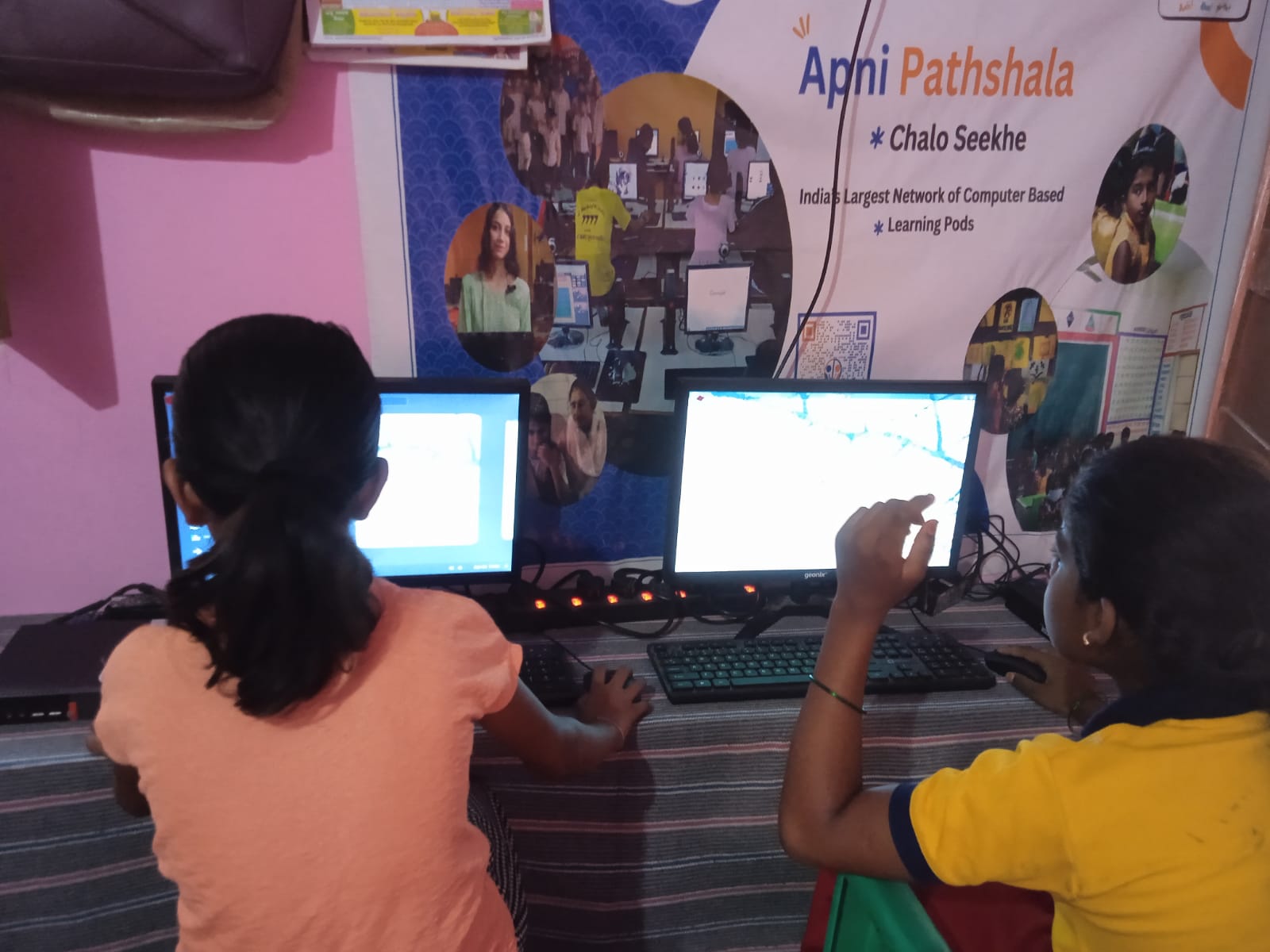
The challenges students face in learning are rarely about capability. They are about conditions. When a student comes home to a small, crowded house with no dedicated study area, no device to practise on, and parents who are too tired after work to help, learning becomes a far harder task than it needs to be.
These challenges stack quietly:
- No personal device means no independent practice after school hours.
- Shared or unstable mobile data means no reliable access to online resources.
- No quiet space means no deep focus, no matter how willing the student is
- No one to answer questions at home means gaps in understanding stay gaps.
Each one of these is manageable on its own. Together, they create a wall that effort alone cannot break through. And yet the education system continues to measure students as if they all started from the same place.
According to the UNICEF India education report, a significant share of schoolchildren in India lack access to basic tools and home conditions needed to support continued learning outside the classroom. This is not a fringe issue; it is the everyday reality for millions of families.
Why Students Struggle to Study Even When They Want To?
One of the most misunderstood questions in Indian education is why students struggle to study despite showing up and trying. Teachers often attribute it to attitude. Parents often blame distraction. Both are looking in the wrong direction.
The deeper reason is that studying effectively requires more than willpower. It requires the right environment and the right tools. A student who has to wait for an older sibling to finish using the phone before they can look something up has already lost valuable revision time. A student who cannot practise typing because there is no keyboard at home will always be slower when it matters. A student who cannot replay a confusing video lesson is forced to either guess or leave the gap unfilled.
Independent learning, the kind that actually builds understanding, is only possible when students have consistent, reliable access to their own resources. Without that, they are entirely dependent on what they can absorb during school hours, in an often crowded classroom, with limited one-on-one time with a teacher.
Coaching centres try to fill this gap, but they are expensive and not always available in smaller towns. The real solution is putting the right tool directly in the student’s hands, something they own, can use anytime, and can learn from at their own pace. Why Every Indian Student Needs Their Own Computer at home is a question with a clearer answer than most families realise.
The Common Learning Difficulties That Go Unnoticed
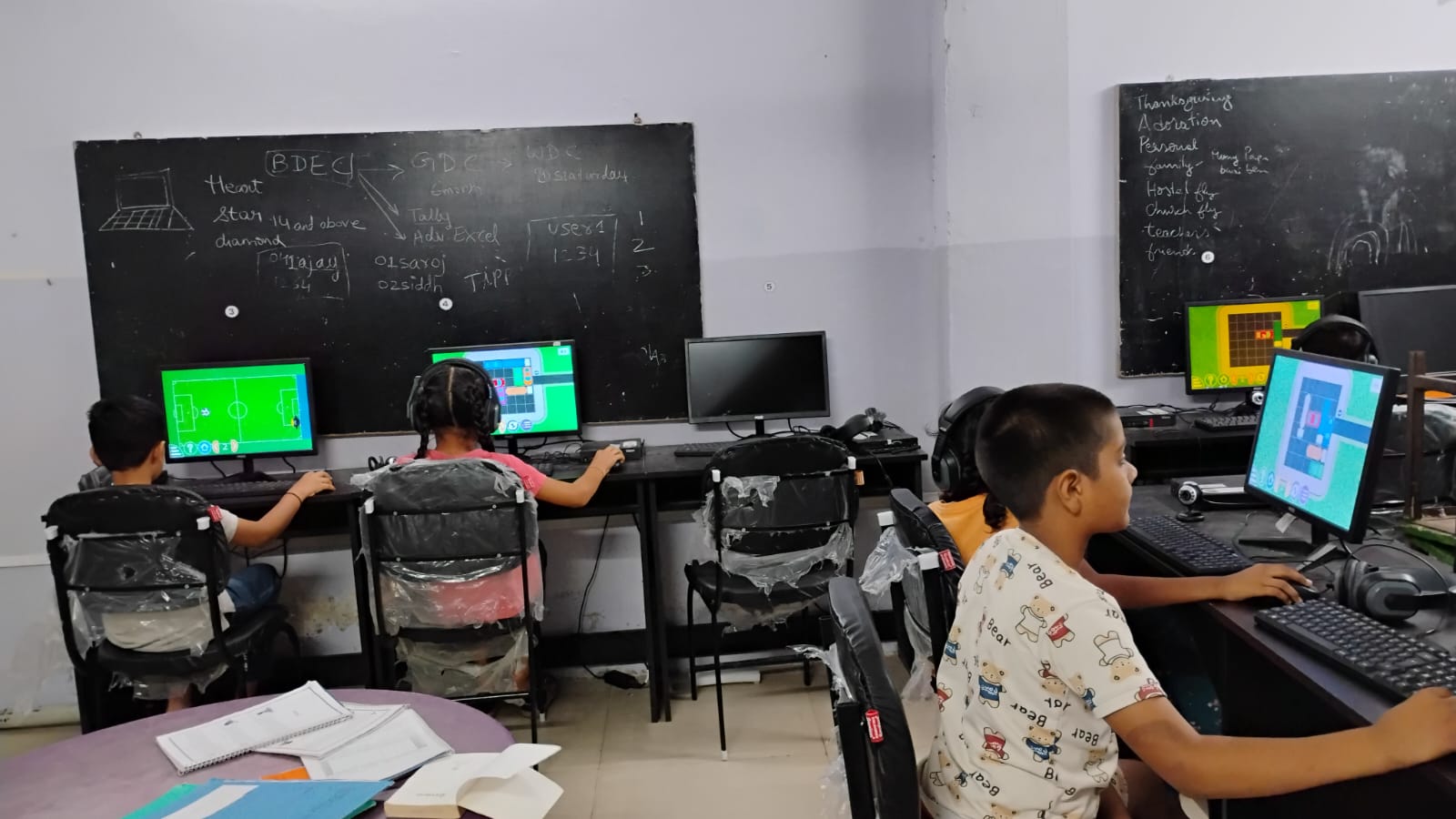
Many of the common learning difficulties of students are not cognitive at all. They are circumstantial, created by the environment, not the child. Yet the education system rarely makes that distinction. A student who cannot keep up is labelled weak. A student who scores poorly is called undisciplined. The actual cause, a lack of access to tools that make learning stick, goes unexamined.
Here is what those overlooked difficulties often look like in practice:
- Concepts taught in class are not revised at home because there is nothing to revise with
- Students fall behind on topics that build on each other, and the gap widens each week.
- Written and digital skills lag because students only use notebooks, never a keyboard or screen.
- Curiosity dies early because there is no easy way to explore a topic further.
These patterns are not signs of a struggling student. They are signs of a student who was never given the right starting point.
DIKSHA India’s national digital learning platform offers thousands of free lessons and resources for students across boards and languages. But without a device to access it, even that resource remains out of reach.
This is where What Is Apna PC becomes relevant for Indian families. Apna PC is built specifically for students in Tier 2 and Tier 3 cities who need a reliable, affordable computer to study, practise, and grow independently. At ₹21,000 (shipping and GST excluded), it is designed to remove the access barrier without stretching the family budget beyond reason.
When a student has a device they can call their own, everything changes. They revise more. They practise more. They ask better questions. And they stop being measured by how hard they try and start being seen for how much they actually learn.
If your child is facing learning difficulties, do not assume the problem is with them. Ask what they have access to, and then fix that first. Visit apnapc.com to learn more.