

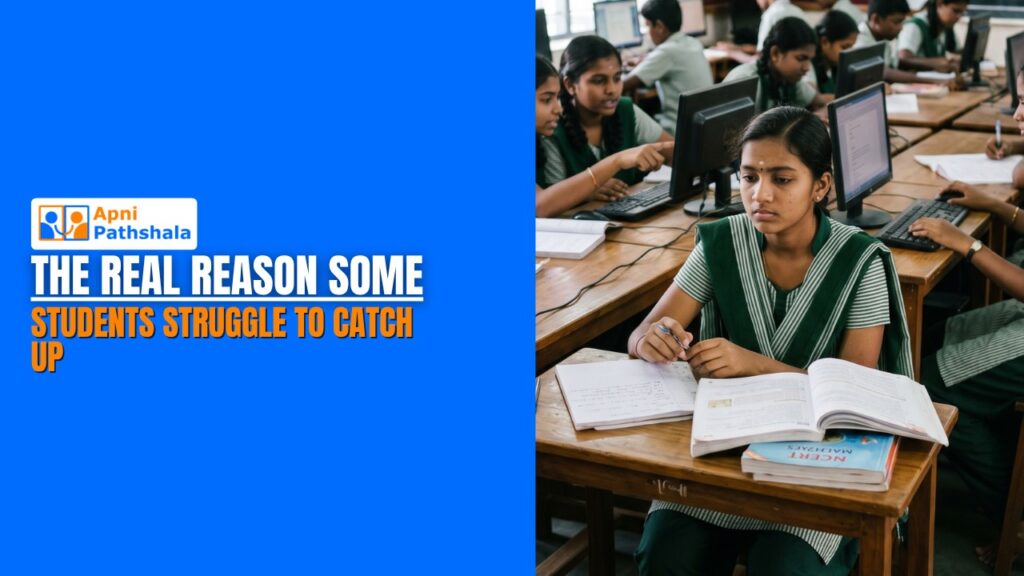
When a student starts falling behind in class, the first instinct is to look at the child, their attention, their effort, their so-called “ability.” Teachers flag them as slow learners. Parents worry that something is fundamentally wrong. But most of the time, the real answer to why students fall behind has very little to do with the students themselves. It has everything to do with the environment they are learning in, and the tools, or the absence of tools, that surround them every day.
The Learning Gap Starts Earlier Than Anyone Notices
A student learning gap rarely appears overnight. It begins as a small crack, one concept not understood, one week of disrupted study, one chapter not revised, and it quietly widens. By the time a teacher notices, the student is already several steps behind the rest of the class, and the distance keeps growing.
This is especially common in subjects that build on themselves. If a student doesn’t fully grasp fractions in class 5, algebra in class 7 will feel impossible. If foundational grammar isn’t practised consistently, written English becomes a lasting struggle. The gap isn’t a character flaw. It is a compounding problem that started somewhere specific, usually in a moment when the student didn’t have the right support, explanation, or tools available.
According to the UNICEF India education report, learning poverty, where children cannot read or understand basic text by age 10, remains a serious challenge across India, and it almost always traces back to early gaps that accumulate quietly over the years rather than to any sudden failure.
How Education Inequality in India Creates Uneven Starting Points
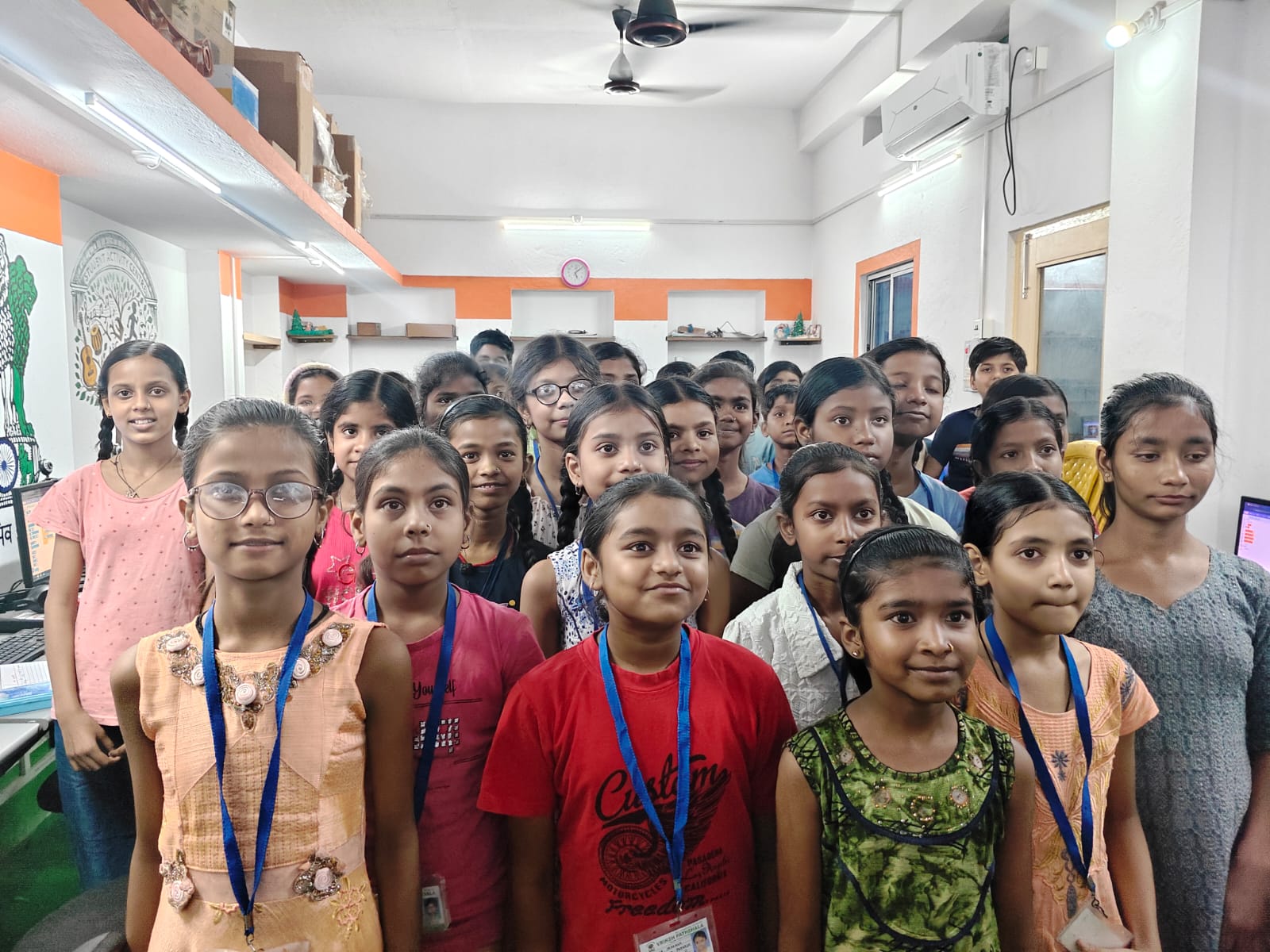
Not every student falls behind for the same reason, but one pattern emerges repeatedly: education inequality in India creates uneven starting conditions that the school system rarely corrects.
A student in a well-resourced home has a personal computer, a quiet room to study in, reliable internet, and parents who can help with difficult homework. A student in a Tier 2 or Tier 3 city may share a single room with five family members, borrow a parent’s phone for online classes, and have no adult at home who can explain the chapter they’re stuck on.
These two students sit in the same classroom, appear on the same school register, and take the same exam. But they are not starting from the same place, and the school system rarely accounts for that difference.
The Central Board of Secondary Education (CBSE) sets a common curriculum across thousands of schools in India. But curriculum equality is not the same as opportunity equality. A student without a dedicated device to practise, revise, and explore will always be learning less than their potential, no matter how capable or hardworking they are.
Slow Learning Reasons Most People Miss
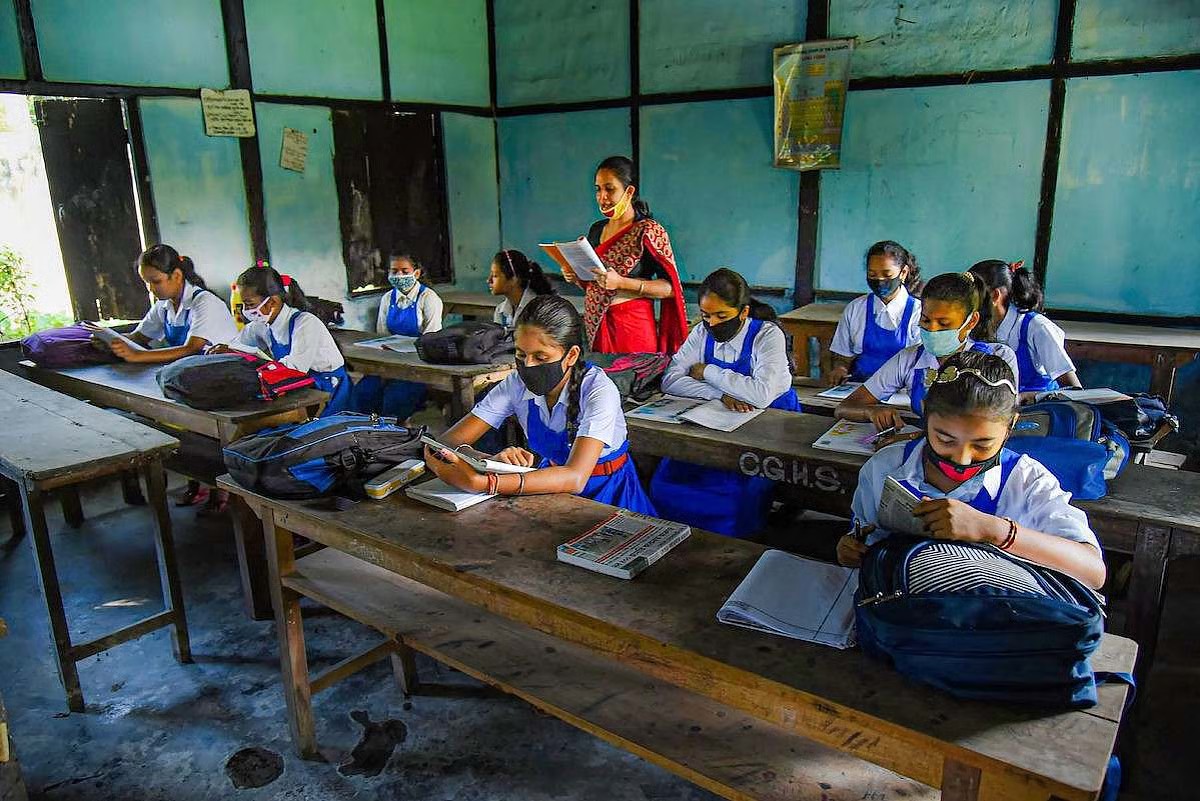
When a student is described as a slow learner, it is worth pausing to ask: What is actually making them slow? The most overlooked reasons for slow learning are not internal; they are environmental and entirely fixable.
No quiet space to study at home. A shared mobile phone that limits how long a student can actually sit and learn. Missed lessons from disrupted schooling with no way to catch up. No ability to pause, rewatch, or revisit a concept after class when confusion sets in during a live session.
These are practical problems, but they are too often treated as personal failings. A student who cannot rewatch a confusing lesson is stuck with whatever they understood in real time. A student who can revise at their own pace, return to missed chapters, and practise through interactive tools is not inherently smarter; they simply have a better setup. The tools available to a student during the years they are forming their core learning habits will shape how confident and capable they feel throughout the rest of their education.
What Closing the Gap Actually Looks Like?
Closing the student learning gap does not require expensive tuition fees or private schools. It requires providing students with the basic infrastructure that enables consistent, self-directed learning, a dedicated device, a stable environment, and time that genuinely belongs to them.
Apna PC was built with exactly this student in mind. The student who is not falling behind because they don’t care, but because the system has not given them a fair environment to learn in. At ₹21,000 (shipping and GST excluded), it is one of the most affordable education-ready computers available for Indian families today, built specifically for students who need reliable access to everything their education requires.
Read more about how it can help: The Biggest Advantage a Student Can Have Today, What Is Apna PC, and why families across India are choosing it as the first real step toward closing the gap.
No student is too far behind to catch up if they are given the right tools at the right time. Give your child a fair start. Visit apnapc.com to learn more.