


Many students in India study for hours every day. They fill notebooks, attend extra classes, and spend evenings revising. Yet when exam results come back, the marks don’t reflect the effort. Parents feel confused. Students feel discouraged. The question every family eventually asks is: Why do students struggle to learn even when they are clearly trying? The answer, most of the time, is not effort. It is the quality and consistency of the tools they use. Effort without the right environment produces far less than it should.
The Gap Between Studying Hard and Actually Learning
There is a real difference between studying and learning. Studying means going through material, reading chapters, writing notes, and sitting through class. Learning means understanding something well enough to recall it under pressure, apply it to a new type of problem, and explain it to someone else the next day.
The study effort vs results gap exists because most students are stuck in the first half. They study, but the environment around them does not support the shift into real learning. Without the ability to practice repeatedly, receive feedback, and revisit concepts on demand, effort alone produces diminishing returns over time.
A student who reads the same chapter three times without attempting the questions is building familiarity, not understanding. A student who reads once, attempts five related problems, reviews what they got wrong, and tries again is learning. The second approach requires a device. It requires tools that respond, guide, and make feedback available immediately. Without those tools, even the most disciplined student is at a disadvantage that no amount of extra effort can fully overcome.
Common Learning Problems in Students in India
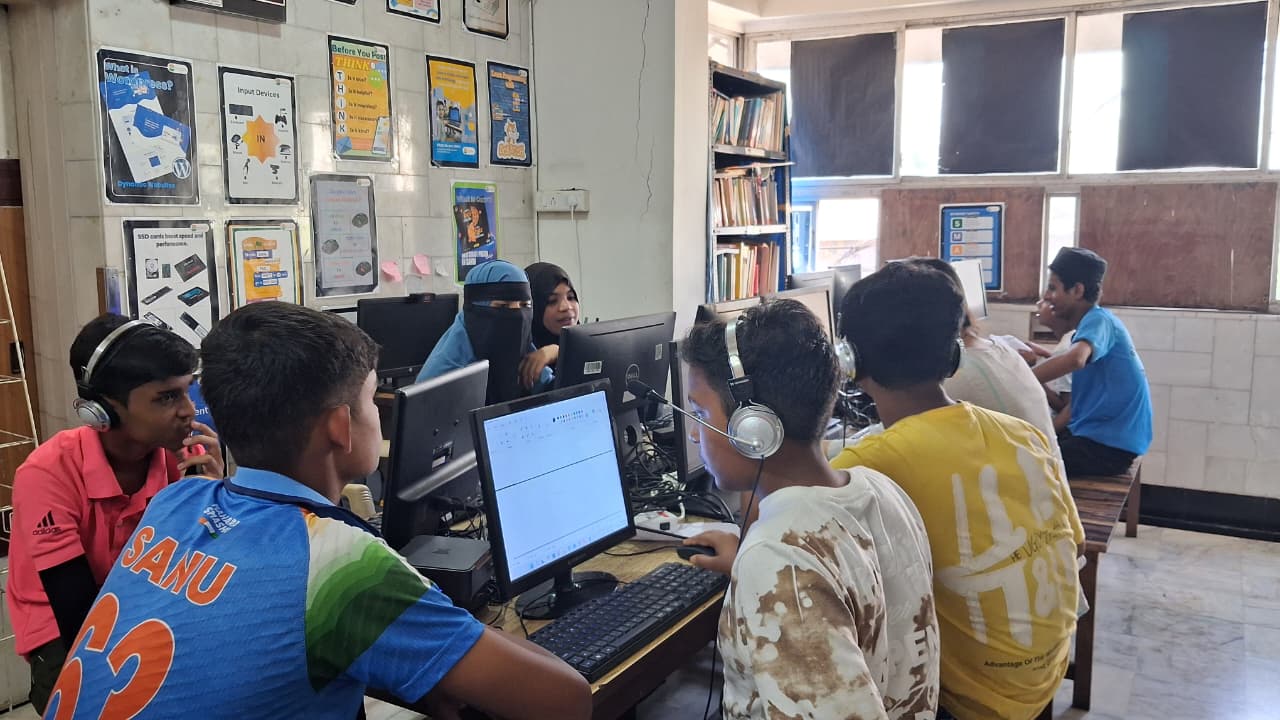
The learning problems among students in India are well documented, but they are rarely discussed honestly at home or in school. The most common ones have little to do with intelligence or motivation.
They include not having a personal device to study on at home, which means any practice outside school depends on a shared phone that is not always available. They include a dependence on printed textbooks that explain a concept once with no visual support, no interaction, and no second chance to understand it differently. They include no access to practice papers or mock tests outside formal exam seasons, when it is often already too late to identify and fix gaps.
These are structural problems, not personal ones. They exist across Tier 2 and Tier 3 cities, in households where parents work hard and want their children to succeed. The obstacle is not the student’s will; it is the learning infrastructure around them. And unlike talent, infrastructure can be changed with the right investment at the right time.
What Effective Learning Tools Actually Do?
Effective learning tools do not replace a student’s effort; they redirect it toward approaches that actually produce results. Instead of reading passively, the student is answering questions. Instead of copying notes, they are testing recall. Instead of guessing what the exam will look like, they are practising on real formats well before the pressure begins.
Platforms like DIKSHA India’s national digital learning platform give students access to curriculum-aligned resources they can use on demand, as many times as needed, in whatever order suits their revision plan. The guesswork disappears. The student knows what to practice and can start immediately.
NCERT (National Council of Educational Research and Training) has long emphasized active learning approaches where students engage with material rather than passively receive it. Digital tools are among the most practical ways to put this into action at home, in the hours after school when the real work of consolidating knowledge takes place. The right tools do not make studying effortless. They make each hour of effort worth more.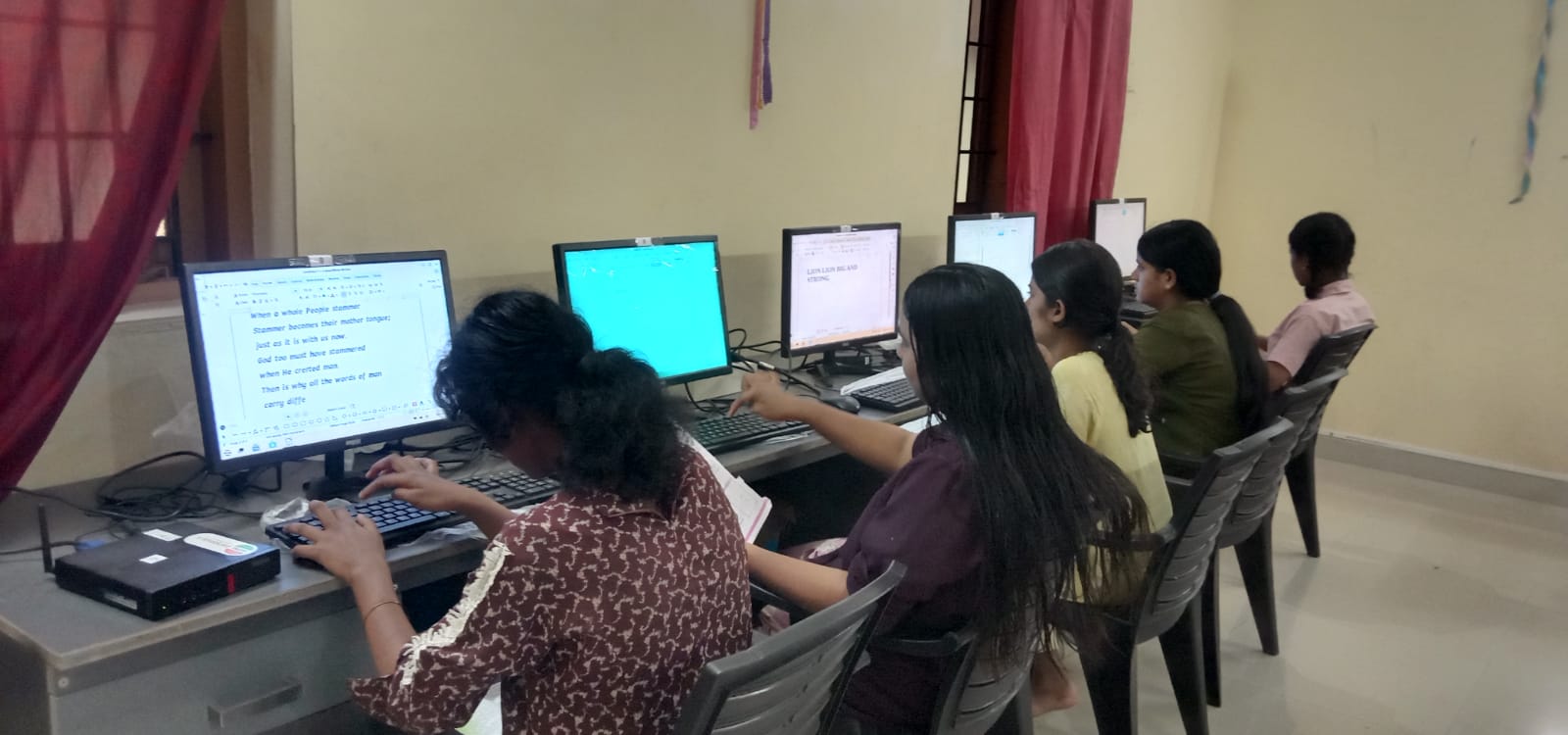
How Apna PC Closes the Gap Between Effort and Results
The most common reason Indian students don’t have access to effective learning tools is not a lack of awareness; it is price. Most capable educational computers on the market are aimed at buyers who are not making difficult trade-offs between household needs. Families in smaller cities are largely left without a practical option.
Apna PC is available at ₹21,000 (shipping and GST excluded), a number designed specifically for families who are ready to invest in their child’s learning but need a price that fits their reality. It is a complete educational computer, not a stripped-down device. It integrates with the Apni Pathshala ecosystem from day one, so students have structured learning content ready to use from the moment they switch it on, no lengthy setup, no waiting.
For families where the effort is already high but the results haven’t followed, Apna PC addresses the real gap, not the student’s will, but the tools available to match it.
Read The Hidden Cost of Not Having a Computer in 2026 and The Biggest Advantage a Student Can Have Today to understand what changes when the right tools are finally in place.
Hard work deserves the right environment. When effective learning tools are within reach, effort finally produces the results students deserve. Visit apnapc.com to learn more.