

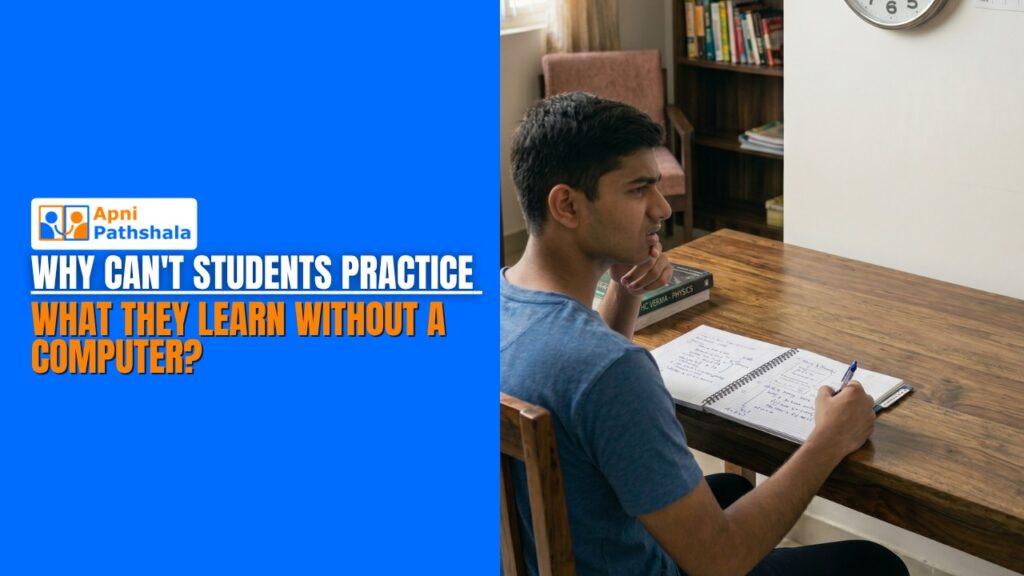
A student can sit through six hours of school, come home, open their notebook, and still not fully understand what was taught that day. Understanding in class and being able to practice it independently are two completely different things. That gap is exactly where most learning is lost. The importance of computers for students lies not just in watching a video or reading a chapter, but also in doing. Without a computer, students hear and see. With one, they actually practice, repeat, and retain.
Why Practice Is the Real Engine of Learning?
Schools teach. But learning only happens when students apply what they have been taught, when they attempt a problem, make a mistake, correct it, and try again. That cycle is what builds real understanding, not just the ability to recall facts before an exam.
In a classroom of forty students, a teacher can explain a concept once, maybe twice. There is simply not enough time for every student to practice under supervision. The student goes home, tries a problem, gets stuck, and has no one to guide them. The next day in class, the teacher had already moved on.
For practice learning online to actually work, students need consistent access to a device. They need to open a platform, attempt questions, receive feedback, and retry. This back-and-forth between the student and the computer is what makes knowledge stick over time. Without it, whatever was taught in school begins to fade within days, and that is not the student’s fault.
The Real Problems of Learning Without a Device
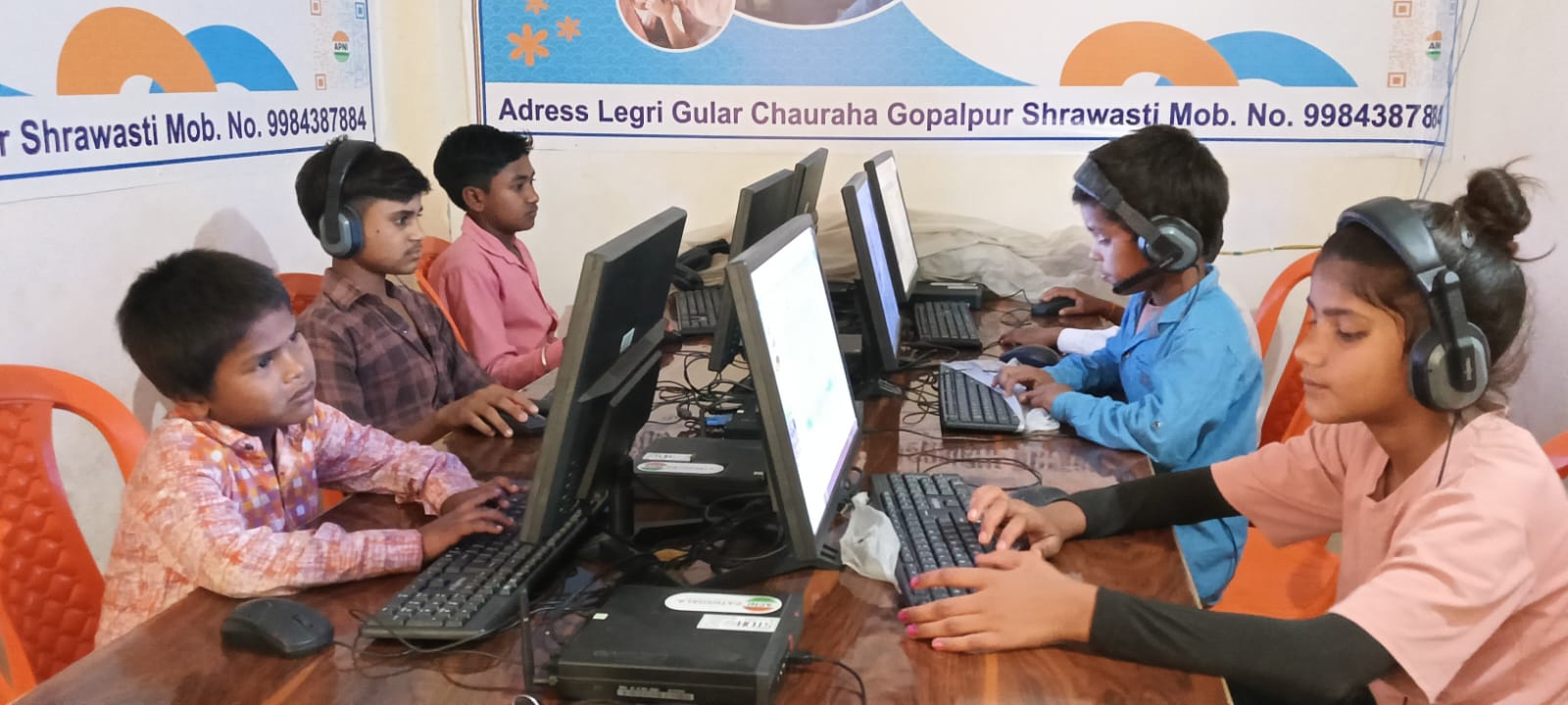
The problems of learning without device access are more serious than most parents initially realise. It is not just about missing a few online lessons. It is a compounding disadvantage that builds quietly over months.
When a student has no personal computer, they cannot revisit a concept they did not understand in class. They cannot attempt practice problems and get instant feedback. They cannot access the free resources that go far beyond their textbook. And they fall further behind classmates who can open a laptop and revise whenever they need to, morning, night, or on a holiday.
The learning gap caused by a lack of device access does not always appear immediately. It shows up six months later when exam results come back lower than expected. It shows up two years later when a student realises their peers are comfortable navigating a computer while they are not. By then, the distance is much harder to close. The longer a student goes without their own device, the more ground they have to make up.
How Digital Tools for Students Change What Is Possible
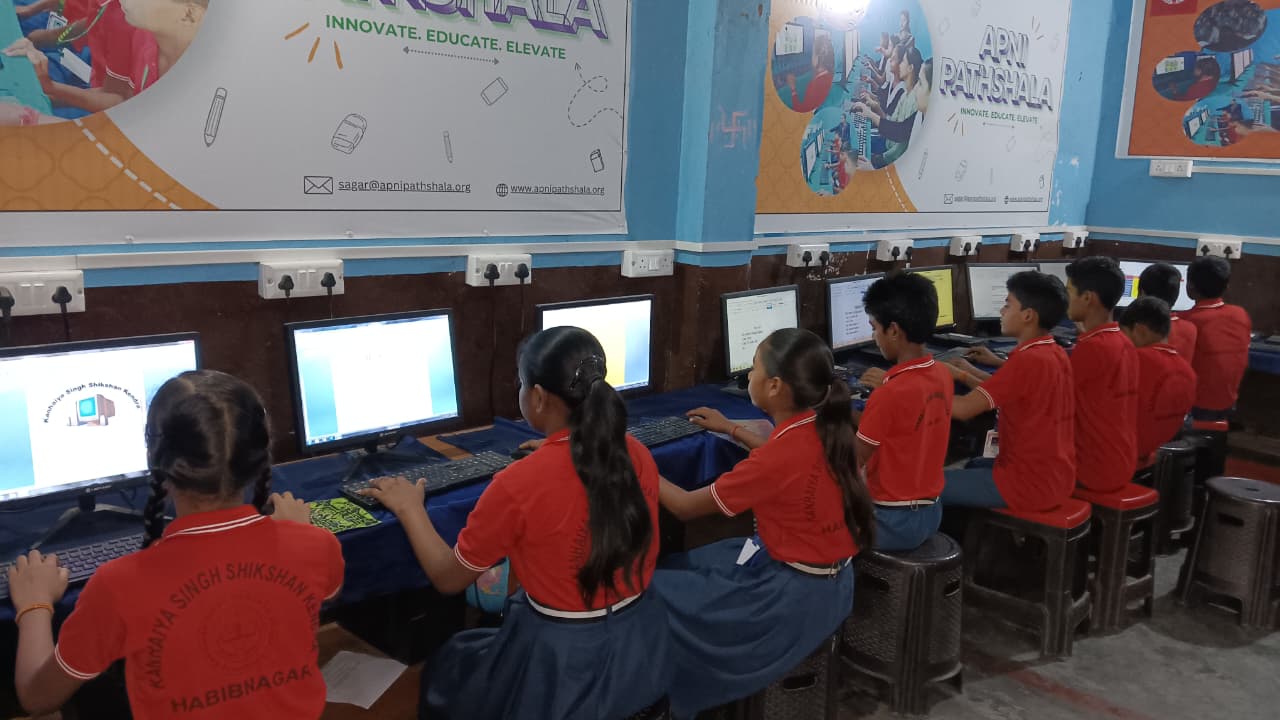
The right digital tools for students do not replace effort; they make effort more productive. When a student opens a practice test online, they receive more than a question. They get immediate feedback. They find out whether their answer was correct, where the reasoning broke down, and which concept needs more attention.
This feedback loop is something no printed worksheet can match. A textbook gives a student the answer. A digital platform shows them why their answer was wrong and what the correct approach looks like, right in the moment when the student is most ready to learn.
Beyond practice tests, digital tools for students allow them to watch concept explanation videos as many times as needed, track their own progress over weeks, identify weak areas before exams, and build typing and computer skills that are now expected in every college application and job interview.
NCERT (National Council of Educational Research and Training) acknowledges that integrating digital learning tools supports deeper conceptual understanding, especially in subjects like Mathematics and Science, where repeated practice is critical for real mastery. And UNESCO global education research consistently finds that students with access to digital learning tools perform better over time, not because technology is magical, but because it enables more practice, more feedback, and more attempts.
Why Apna PC Makes This Possible at ₹21,000?
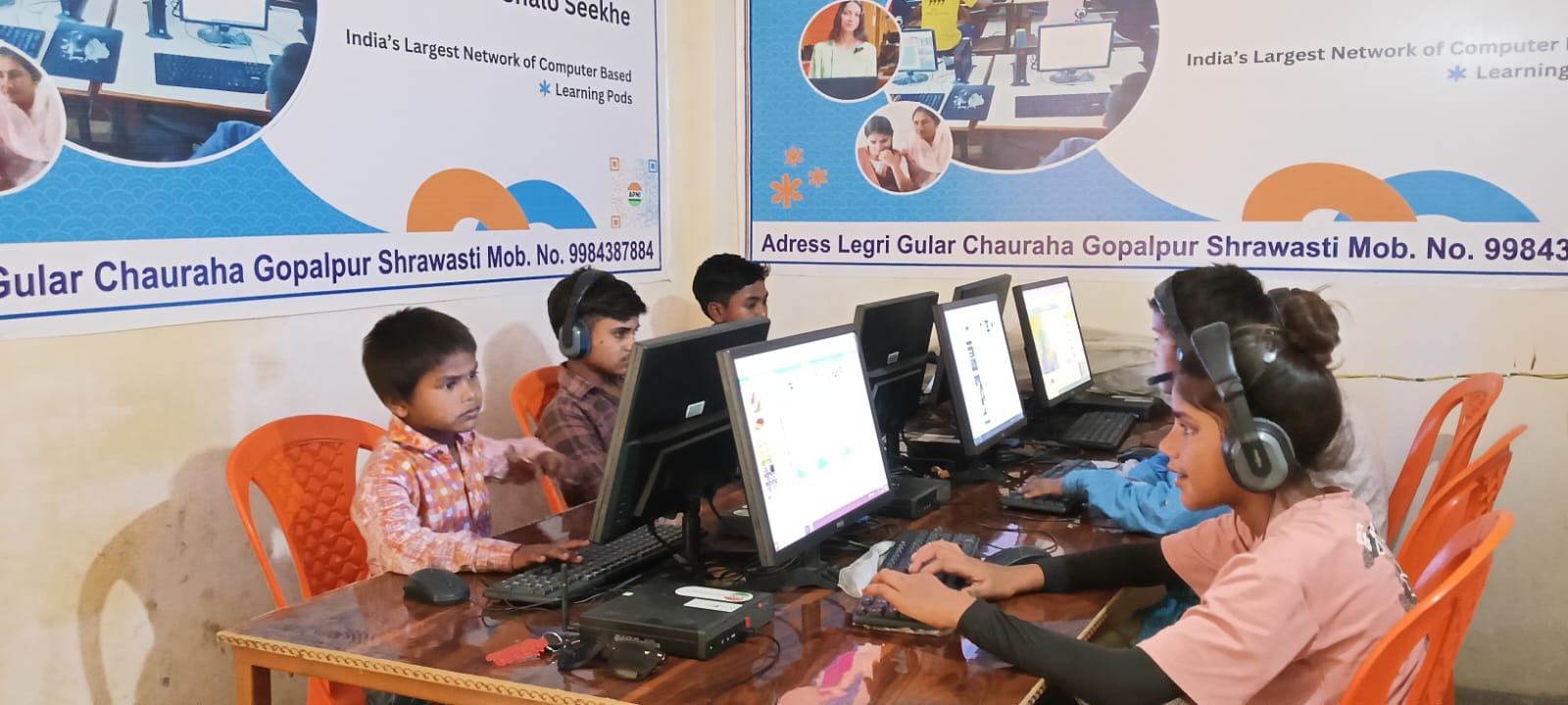
Most Indian families already understand their child needs a computer. What stops them is not the will, but the price. Educational computers in the market are priced for corporate buyers, not for families in Tier 2 or Tier 3 cities trying to give their child a fair start.
Apna PC is available at ₹21,000 (shipping and GST excluded). That one number changes the conversation entirely. A family that could not earlier justify the cost of a learning device can now give their child a real, capable computer, not a borrowed phone, not a hand-me-down, but a machine built for the way Indian students actually learn.
It integrates with the Apni Pathshala ecosystem, giving students access to curated educational content from day one. It is built to last through years of study, growing with the student across classes and subjects. And it ensures that practice, the one thing that turns classroom teaching into real knowledge, is never out of reach.
To explore further, read How a Personal Computer Helps Students Learn and understand The Hidden Cost of Not Having a Computer in 2026.
If your child is ready to move beyond just attending class and start actually practising what they learn, the right device makes all the difference. Visit apnapc.com to learn more.