


Every morning, millions of Indian students wake up ready to study. They have textbooks, notebooks, and the will to learn. But one thing silently takes hours away from them each day, a personal computer. The lack of computers for students doesn’t just appear during exams. It shows up in every extra minute spent waiting, borrowing, or quietly skipping something important.
The loss is invisible. No grade reflects it. No teacher marks it. But it adds up, day after day, week after week, until the difference between two students in the same class becomes impossible to ignore.
What the Daily Loss Actually Looks Like?
When we think about students without computer problems, we usually picture dramatic moments, a student unable to submit a project or missing a deadline. But the real loss is far more ordinary.
A student who shares a family phone has to wait their turn to watch a recorded lesson. A student borrowing a sibling’s laptop loses 30–40 minutes just getting set up, finding the right file, and logging in. A student without a device simply tells themselves, “I’ll do it later.” Later rarely comes.
Over a week, that’s easily 3–5 hours of learning that never happened, time that a student with their own device would have spent practising, reading ahead, or simply exploring. Across a school year, it’s entire chapters, skills, and practice sessions that exist in the syllabus but never make it into the student’s head.
And the student doesn’t always realise it. They finish the day feeling like they studied. But the version of studying they did, rushed, borrowed, or skipped, is a much thinner version of what they could have done.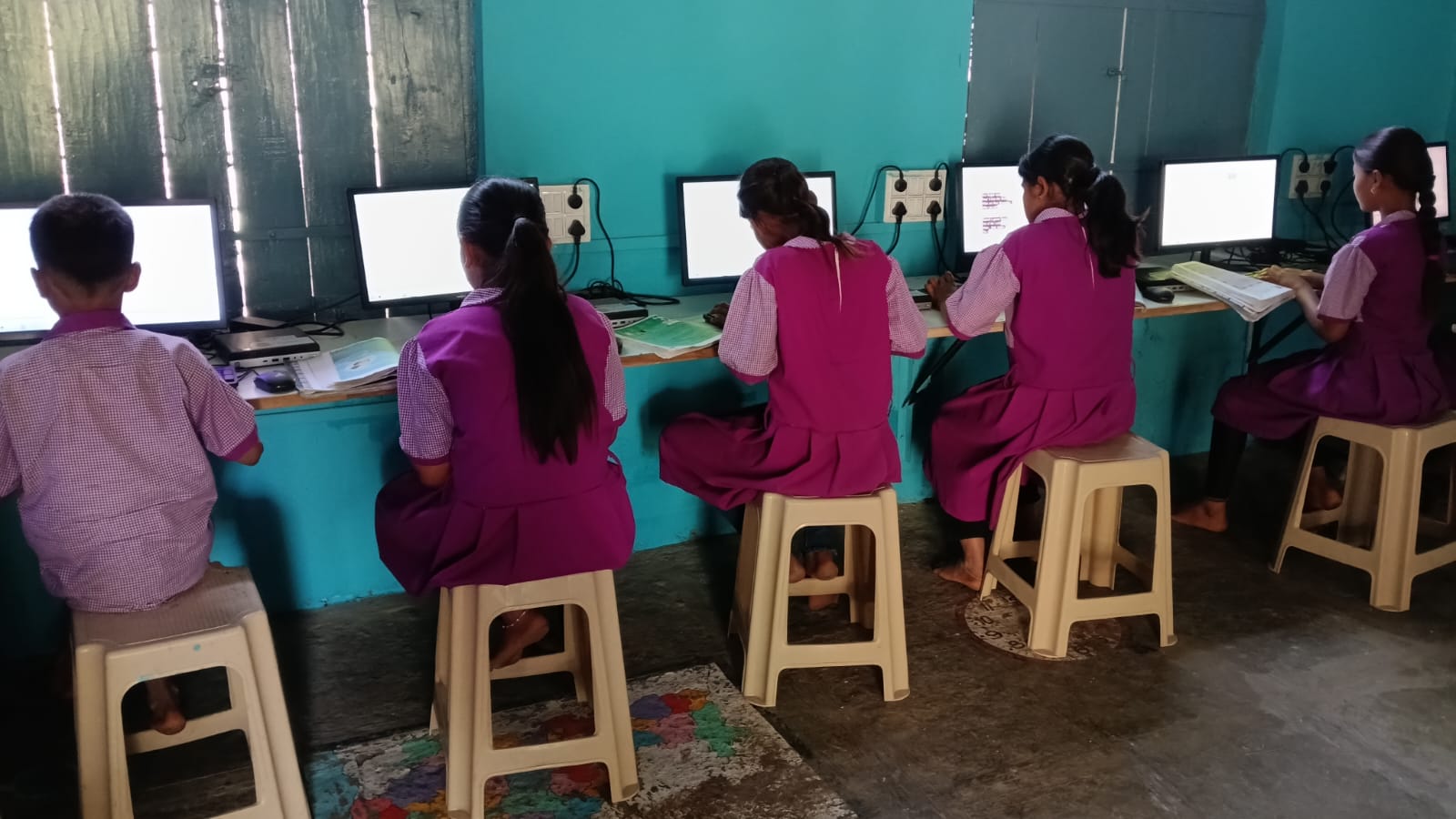
According to the UNICEF India education report, children who miss consistent digital learning opportunities fall behind in both academic performance and long-term skill development. The problem isn’t visible in a single day, but it compounds quietly.
The Digital Learning Gap in India Is Wider Than It Appears
India has made real progress in education, with more schools, more teachers, and more government programs. But the Digital Learning Gap in India has quietly created a two-track system: students who own devices and those who don’t.
Students with a personal computer can revise any topic at any hour using NCERT materials, YouTube explainers, or practice platforms. They can learn typing, build presentations, and explore topics that no textbook covers. Most importantly, they can study at 10 PM when the house is finally quiet, without asking anyone for permission or waiting for their turn.
Students without a device can’t do this consistently. They rely on school hours, cybercafés, or borrowed phones, all of which come with time pressure, noise, and zero privacy. Their learning is squeezed into gaps rather than built around a steady rhythm.
Understanding how a personal computer helps students learn beyond the school curriculum makes it clear why this gap matters so much. It isn’t just about digital skills. It’s about the freedom to learn on your own terms.
The Long-Term Impact of No Device on Students
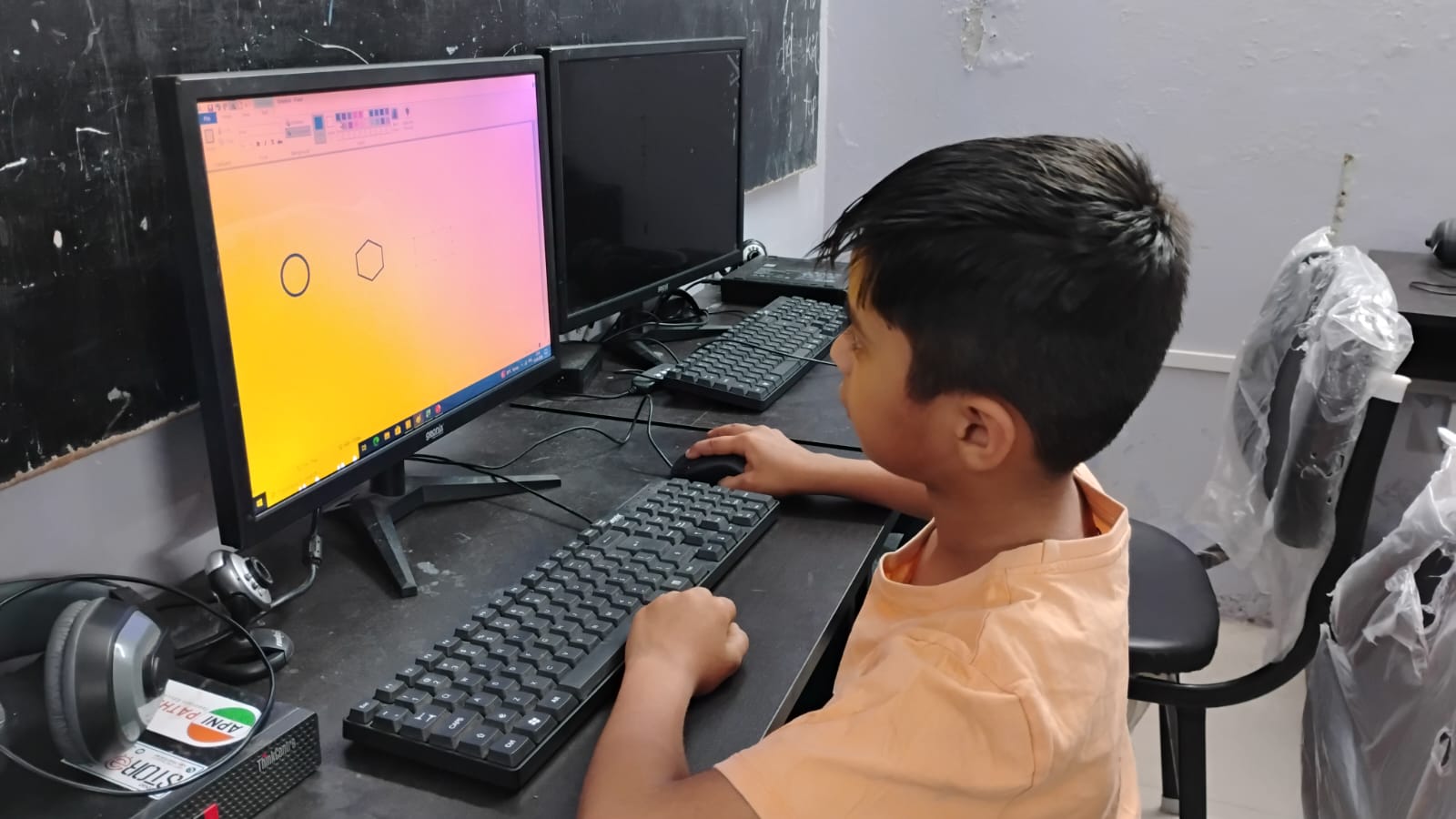
The impact of no device on students goes far beyond a few missed lessons. Over two or three years of school, it can mean hundreds of hours of learning that never happened. It can mean underdeveloped competitive skills. And it can mean a growing confidence gap between students who can “do things on a computer” and those who freeze when asked.
Parents in Tier 2 and Tier 3 cities often think: “We’ll get a computer when it’s really needed.” But by the time Class 10 exams arrive, or college applications begin, the gap is already there. The student who has had three years of regular practice is simply more prepared. Not because they’re smarter, but because they had access and time.
The India.gov.in education portal recognises digital literacy as a foundational skill alongside reading and writing. Yet most families still treat it as optional, something to invest in “later.”
There’s also the hidden cost that most families don’t calculate. Read more about the hidden cost of not having a computer in 2026; it’s more than most people expect.
Apna PC was built to close this gap, an affordable educational computer designed for Indian students, schools, and families. At just ₹21,000 (shipping and GST excluded), it puts consistent, daily access within reach for families who’ve been waiting for the right option.
If your child is losing learning time every day without either of you realising it, the solution is simpler than you think. Visit apnapc.com to learn more.