

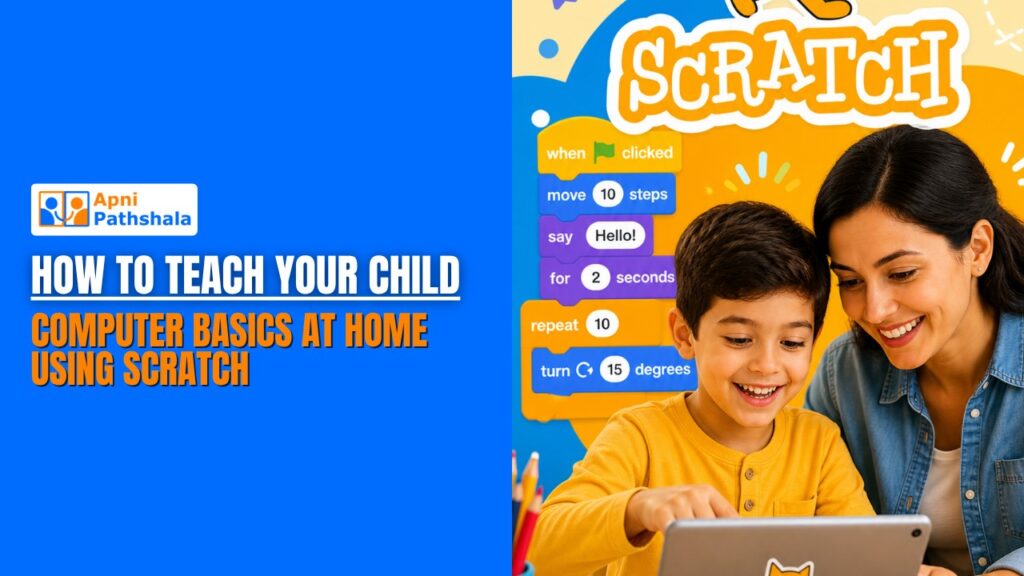
Most parents in India want their children to learn coding, but have no idea where to begin. Hiring a dedicated coding tutor is expensive, and most online courses are built for older students or adults. Scratch coding for children in India has quietly changed all of this. It is a free, visual programming platform designed specifically for kids, and any parent with a computer at home can use it to start this journey right now, without any prior technical knowledge.
What Is Scratch and Why Is It the Right Starting Point?
Scratch is a free programming language developed at MIT, designed for children ages 8-16. Instead of writing lines of complex code, children drag and connect colourful blocks to create animations, games, interactive stories, and small apps. There are no syntax errors to frustrate them. There is no intimidating terminal screen. There is just a simple canvas where ideas become real projects.
This is what makes Scratch programming: Indian students are increasingly being introduced to, in schools, coding clubs, and now right at home. The platform is available in Hindi and several other Indian languages, making it genuinely accessible for children who are not yet comfortable with English-only interfaces.
The most powerful feature: results are visible instantly. A child places a few blocks together, and their character moves, speaks, or reacts. That immediate feedback is one of the strongest motivators in early learning, it tells the child that they made something work, and that feeling is what keeps them coming back.
How to Teach Coding Kids at Home in India: A Simple Starting Plan?
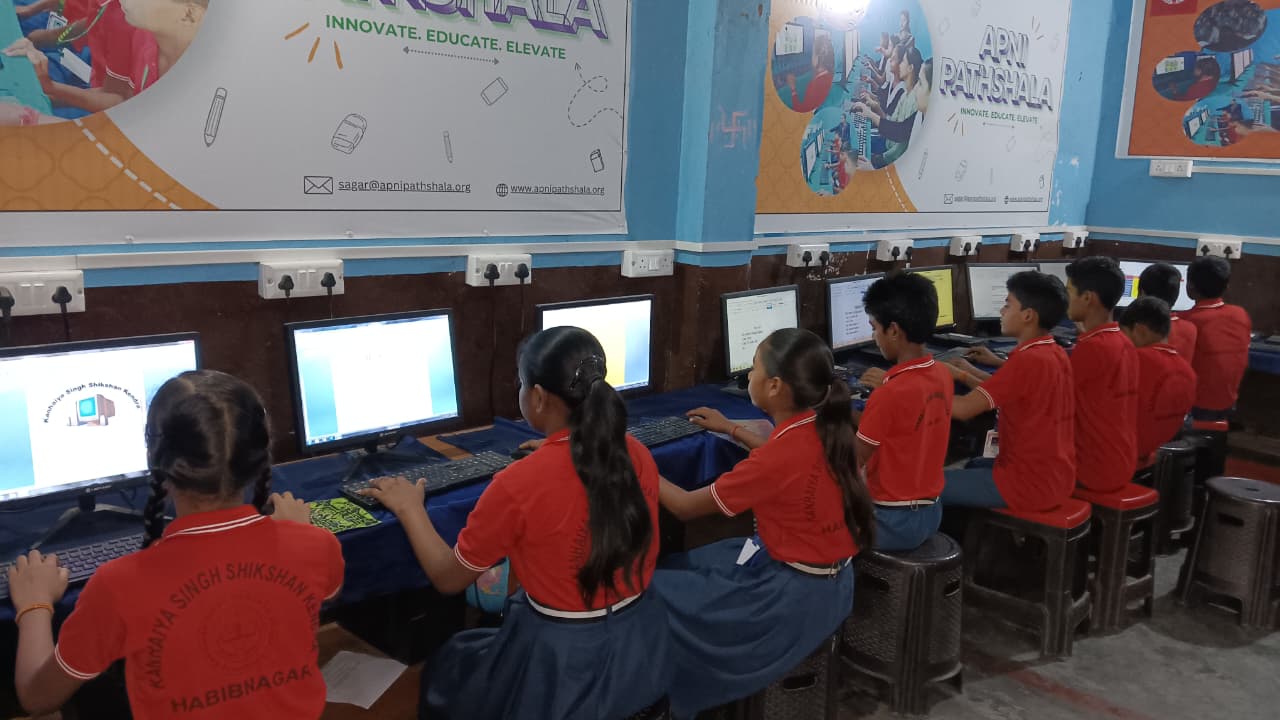
The idea of sitting down to teach coding to kids in India can feel daunting. But with Scratch, it genuinely does not need to be. Here is a practical approach any parent can follow, even with no coding background:
- Start with free exploration. In the first session, let your child simply click around. Show them the Costumes tab, the Sounds panel, and the different block categories. Do not teach, just explore together with curiosity.
- Build a first project together. Help them make a character walk across the screen. This takes under 10 minutes and naturally covers the core ideas of sequence and events. Once a child sees it work, they immediately want to do more.
- Use the project gallery for inspiration. Scratch has millions of shared projects made by children around the world. Letting your child remix an existing game or story teaches them how code is structured far faster than any video tutorial.
- Keep it to one session a week. Consistency matters far more than intensity. Even 45 focused minutes every week, repeated over a few months, will build real programming thinking in a child.
There is no pressure here. No exam, no grade. Just a child building something and figuring out why it works, which is exactly how genuine learning happens.
Why Coding at Home Children India Cannot Afford to Delay?
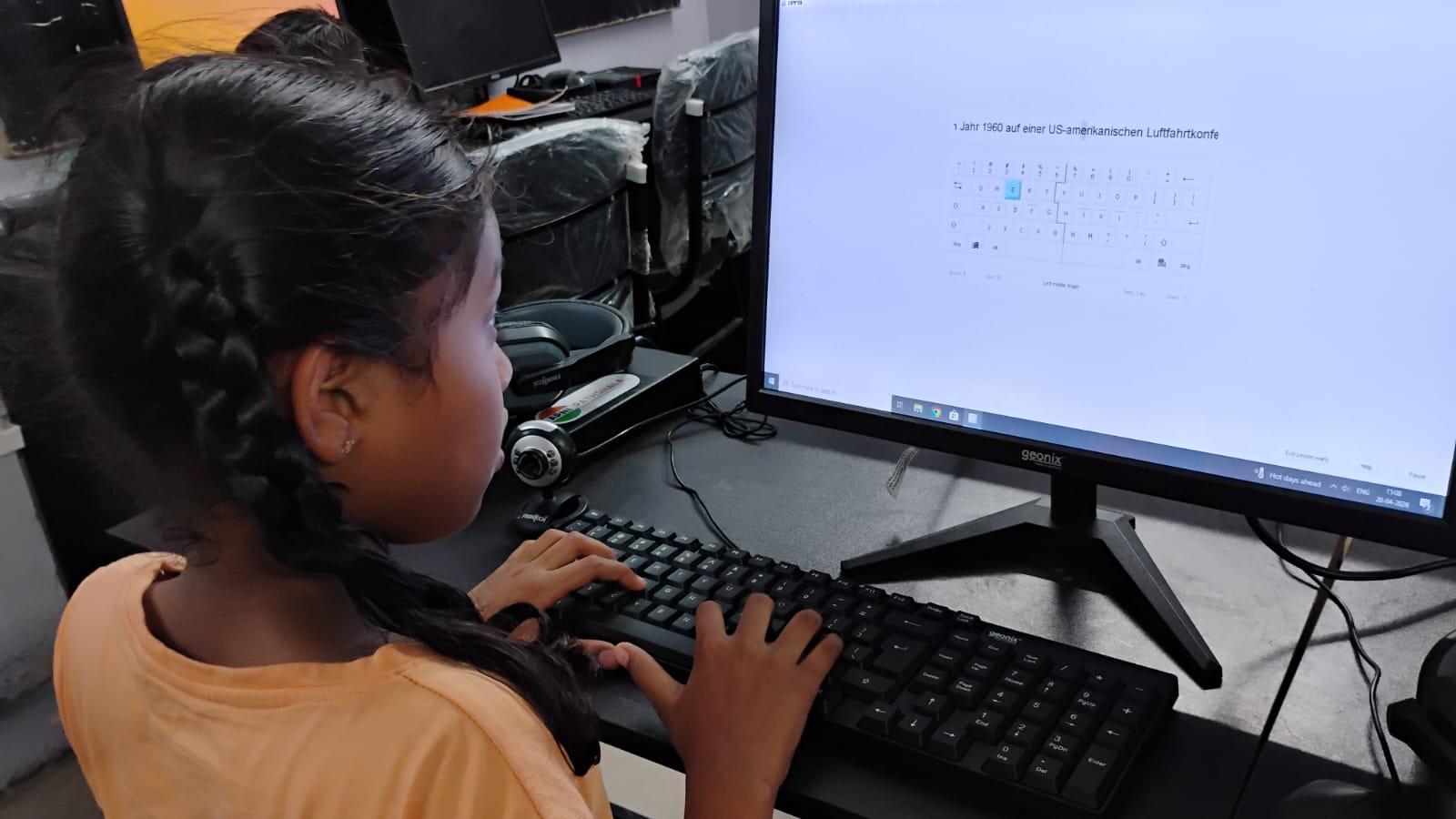
Learning to code at home is not just a hobby. Coding at home, children in India build foundational skills during the years when the brain is most ready to absorb new ways of thinking. Coding teaches logical sequencing, problem decomposition, and debugging, the ability to look at what went wrong and fix it step by step. These skills transfer directly into mathematics, science, and critical thinking, not just into technology careers.
According to UNESCO global education research, computational thinking, the kind of computational thinking that Scratch directly develops, is increasingly recognised as a core literacy skill, as important as reading and writing for students entering the workforce after 2030.
India’s education system is moving in this direction. The Central Board of Secondary Education (CBSE) now includes basic programming concepts starting in middle school. But the real advantage goes to children who start earlier, at home, in a low-pressure environment where making mistakes is simply part of the game.
This is exactly why having a personal computer at home makes such a difference. Scratch runs in any browser, requires no installation, and works well even on modest hardware. As we discuss in our post on How a Personal Computer Helps Students Learn, a dedicated device transforms what a child can explore independently, without waiting for school lab time or borrowing someone else’s phone for 20 minutes.
The Biggest Advantage a Student Can Have Today is no longer just good marks. It is the ability to think logically, build independently, and solve real problems, and Scratch, practised consistently at home, builds all three from a surprisingly young age.
Apna PC, priced at ₹21,000 (shipping and GST excluded), is built for exactly this kind of home learning. It gives your child a personal, affordable computer that is ready whenever they are, for Scratch today, and for wherever their learning takes them next.
Empower your child to build and create with Apna PC. Start their coding journey today. Visit apnapc.com now.