

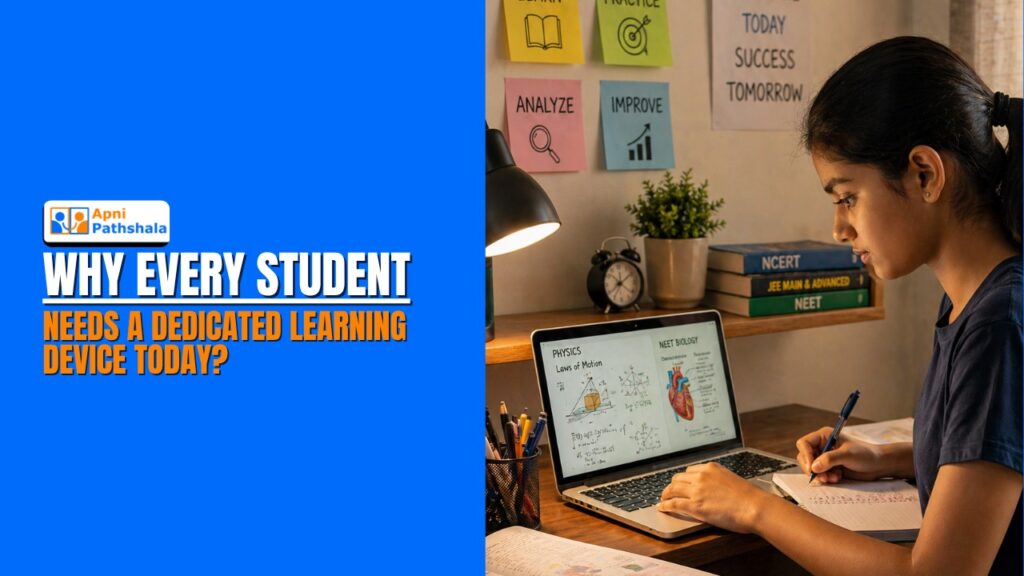
A student’s school bag has always held everything they need for the day: books, notebooks, pens, and a geometry box. But the world they are preparing to enter runs on screens, software, and digital skills. The tools inside that bag have not kept up. For a student in India today, a learning device for students is not a bonus addition to their education. It is the foundation for independent, effective, and future-ready learning.
The Classroom Is No Longer Enough
School hours give a student structure and a teacher. They do not give a student time. A forty-five-minute class period shared among forty students cannot deliver the depth of explanation, the pace of repetition, or the individual feedback that real understanding requires. Every teacher knows this. Every student feels it, the moment class ends on a topic they did not fully grasp, and they are already being moved to the next one.
The hours after school are where learning gaps are either closed or left to widen. And closing those gaps requires more than a textbook. It requires the ability to revisit a concept through a different explanation, practice problems with immediate feedback, and explore a subject at the exact pace the student needs. None of that is possible without a device.
A computer for students in India is not about replacing teachers or classrooms. It is about giving students the tools to finish the work that the classroom starts.
Why a Phone Is Not a Learning Device?
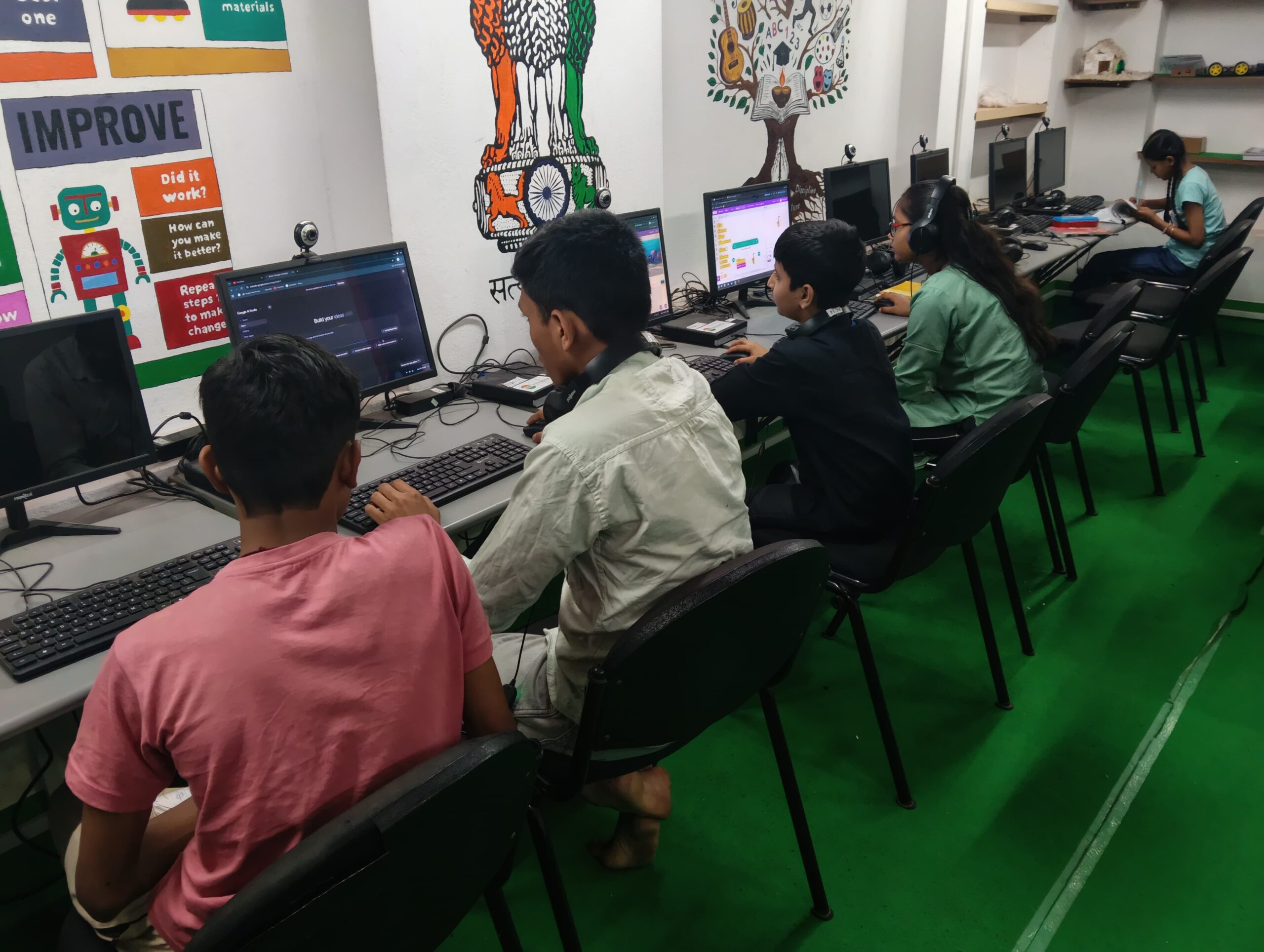
Most families in India have a smartphone. Many assume this is sufficient for a student’s digital learning needs. It is not, and the difference matters more than most people realise.
A phone is designed for communication and entertainment. The screen is small, making sustained reading and problem-solving uncomfortable. Notifications interrupt focus constantly. Typing anything of length is slow and frustrating. Switching between a video, a notebook app, and a reference document, the kind of multi-tasking that effective study requires, is clunky and distracting on a phone.
More critically, a phone shared among family members is not available to a student on their schedule. It is available when no one else needs it, which is rarely when the student is ready to study.
A dedicated learning device is different in every dimension. It has a full-screen reading mode, a keyboard for writing, and no entertainment apps competing for the student’s attention. It is theirs, available when they need it, set up the way they need it. That distinction, between a device borrowed for studying and a device built for it, is the difference between fragmented sessions and genuine learning.
What Digital Learning Tools Make Possible Every Day?
The range of digital learning tools available to a student with a computer today is extraordinary, and most of them are free.
Free platforms such as DIKSHA, Khan Academy, and the National Digital Library of India provide students with video lessons, practice exercises, and reference materials covering the entire school syllabus. NCERT textbooks, previous years’ board exam papers, and sample question papers are available to download at no cost. Educational software can generate practice problems, track progress, and automatically highlight weak areas.
For competitive exam aspirants, free mock tests modelled on JEE, NEET, and other national exams are available online. For students interested in going beyond the syllabus, courses on coding, design, language learning, and dozens of other subjects are a few clicks away.
None of this requires expensive subscriptions or premium content. It requires a device and the time to use it. A student with a computer and a disciplined routine has access to more learning material than any coaching institute could provide, and can use it at their own pace, revisiting whatever they need, whenever they need it.
The Importance of Personal Device Ownership for Student Development
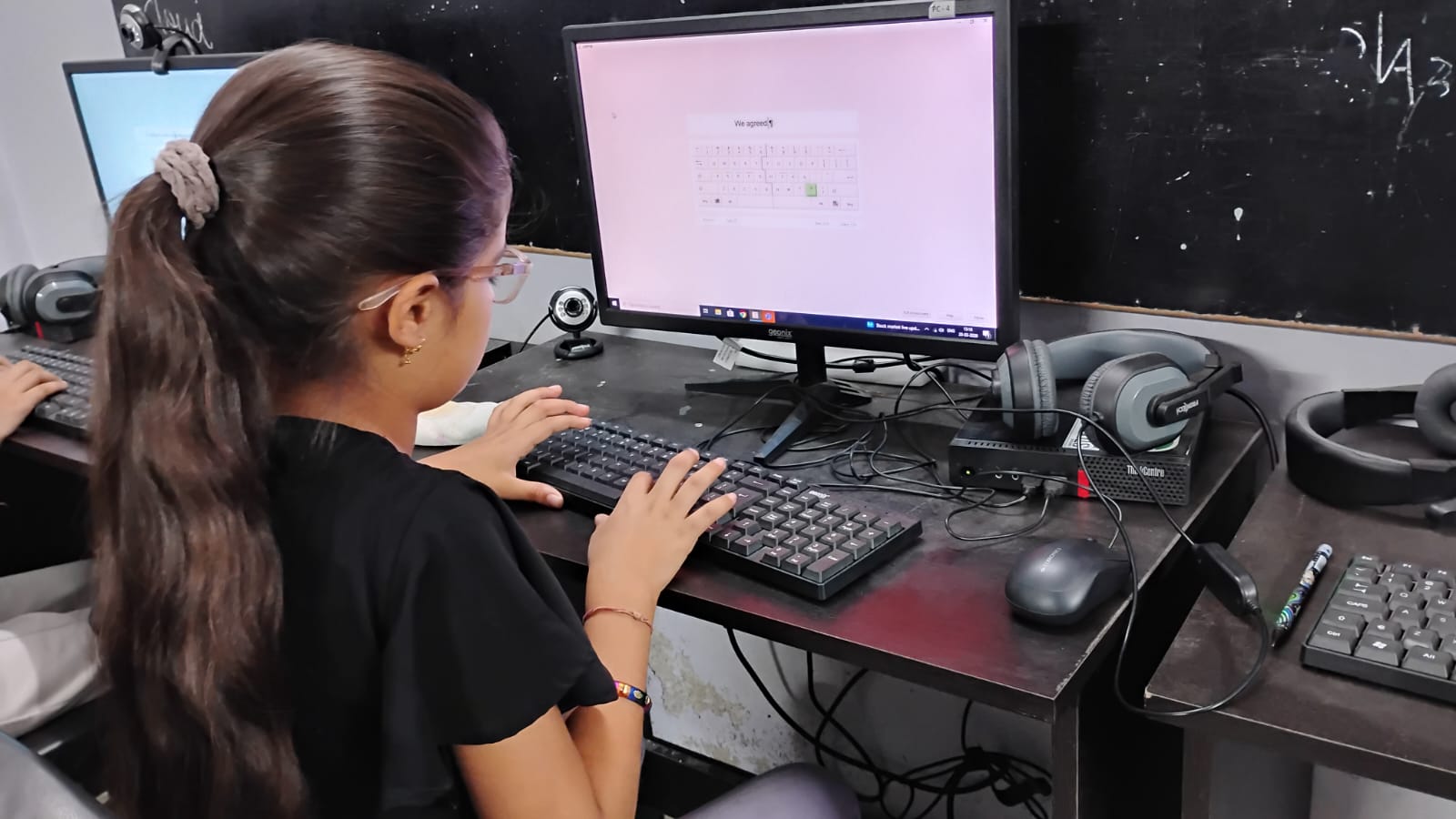
Beyond the practical advantages, the importance of personal device ownership lies in what it does to a student’s relationship with learning itself.
When a device belongs to a student, when it is their workspace, set up with their bookmarks, notes, and progress, they develop ownership of their education. They are not a passive recipient of what a teacher delivers. They are an active participant in building their own understanding. That shift in identity, from student-as-audience to student-as-learner, is one of the most powerful changes education can produce.
Students who own their learning devices also develop digital fluency naturally and early. They become comfortable with software, confident in navigating new tools, and capable of adapting to technologies they have never seen before. These are skills that employers look for, colleges expect, and no amount of classroom instruction alone can fully develop.
According to UNESCO’s global research on digital learning, students with personal access to educational technology show measurably stronger outcomes in self-directed learning, problem-solving, and long-term academic engagement. The NCERT’s learning framework similarly emphasises that students achieve deeper conceptual understanding when they can explore and revisit material independently, something a personal device uniquely enables.
Making It Accessible for Every Indian Family
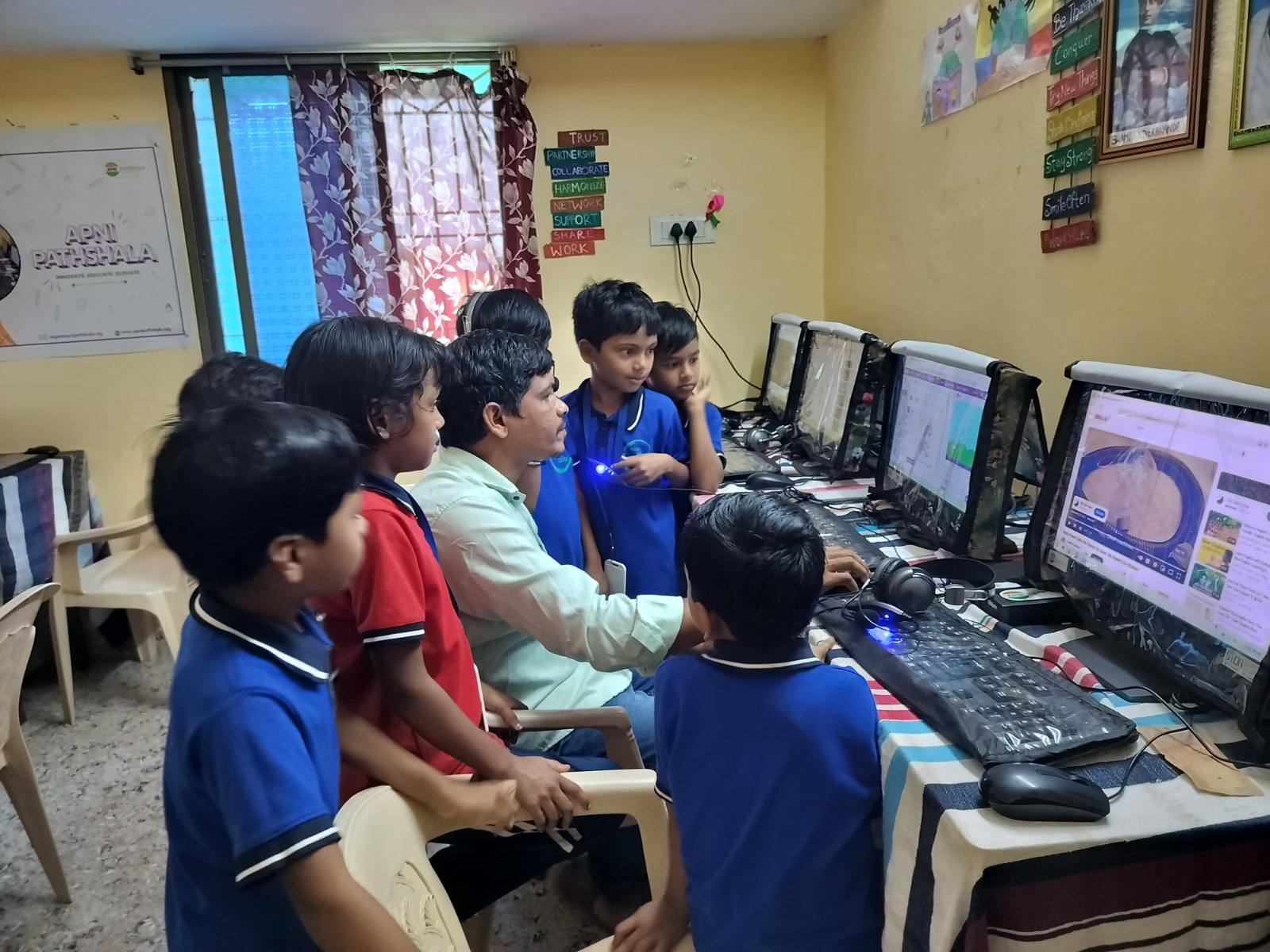
The barrier for most families is not awareness. Parents in Tier 2 and Tier 3 cities understand that their child needs a computer. The barrier is cost. A branded laptop starts at ₹35,000 and quickly climbs above ₹50,000. For families where that figure represents two or three months of income, the purchase feels out of reach, even when they know it matters.
Apna PC is designed specifically to remove that barrier. At ₹21,000 (shipping and GST excluded), it gives Indian students a dedicated educational computer, not a cut-down device, but one built to handle everything a school and competitive exam student needs. Pre-loaded with educational tools, built for focused learning, and priced for the families who need it most. See how Apna PC empowers students through digital access and why thousands of families across India have chosen it as their child’s first real learning device.
The Right Time to Give a Student Their Own Device Is Now
Every year without a dedicated learning device is a year of compounded disadvantage, gaps in understanding that widen, digital skills that develop later than they should, and opportunities that pass because the tools were not in place. The student who has their own device from Class 6 arrives at Class 10 board exams with four years of independent learning habits behind them. That is not a small advantage. It is a fundamental one. Visit apnapc.com to learn more.