

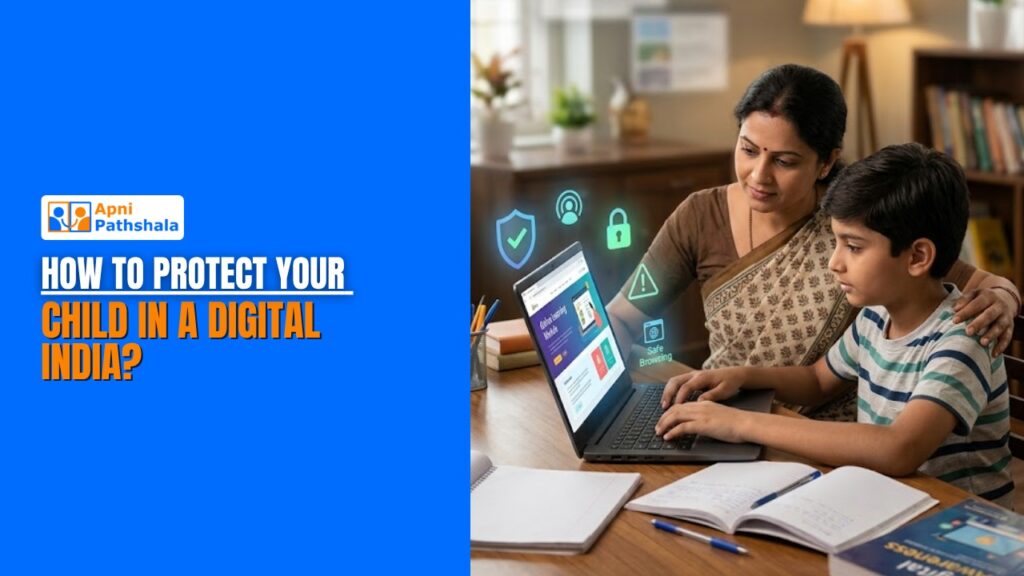
Pooja’s son Kartik is 11 years old and spends hours online every day. He watches videos, plays games, and chats with friends. Pooja gave him internet access for school, but now she is not sure he understands the difference between using the internet well and using it recklessly. He shared his phone number in an online game once. He laughed at a video that mocked someone else. These are small moments, but they point to a bigger gap. The digital responsibility that Indian parents need to teach is not just about screen time. It is about values, behaviour, and judgment in a digital world.
What Does Digital Responsibility Actually Mean?
Digital responsibility is the ability to use technology thoughtfully, safely, and with respect for others. It means knowing what to share online and what to keep private. It means understanding that words typed on a screen have real impact on real people. It means using the internet as a tool, not a substitute for real life.
The digital responsibility that Indian parents need to teach, we often stop at “don’t talk to strangers online.” But digital responsibility goes much deeper. It includes how children treat others in comment sections, whether they fact-check before sharing, how they manage their own data and privacy, and whether they can step away from a screen when they need to.
According to WHO guidelines on children and screen use, children who develop healthy digital habits early show better mental health outcomes, stronger attention spans, and healthier sleep patterns, all of which directly impact learning and development.
How to Teach Digital Responsibility at Home Practical Steps for Indian Parents
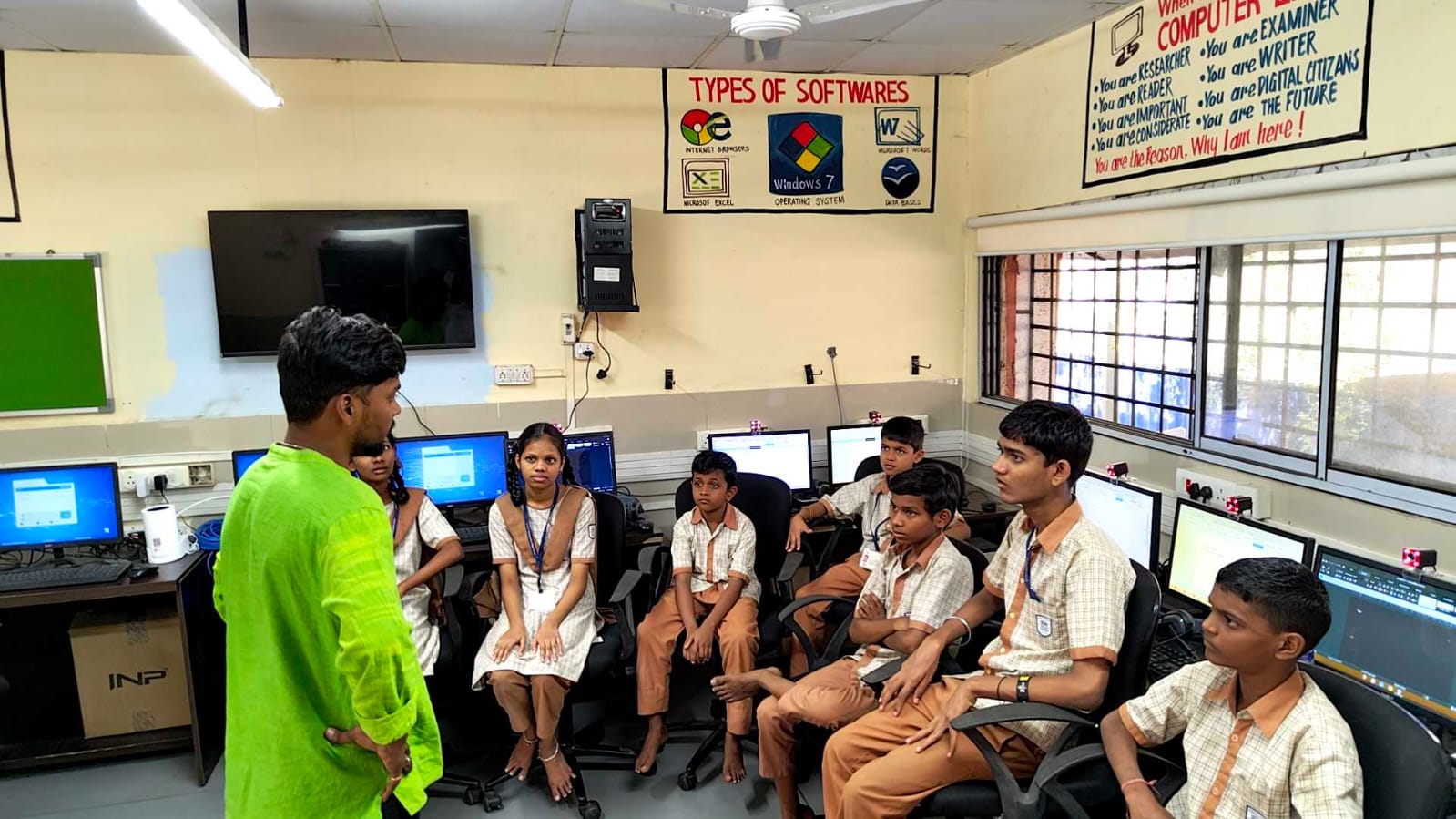
You do not need a technology background to raise a digitally responsible child. You need consistency, honest conversations, and the right environment. Here is what actually works:
- Start with conversations, not rules: Before setting restrictions, talk to your child about why digital responsibility matters. Ask them how they would feel if someone shared their photo without permission, or said something hurtful about them online. Building empathy first makes the rules feel meaningful, not arbitrary.
- Teach them what NOT to share online: Children need to know from an early age that their full name, school name, home address, phone number, and photos should never be shared with strangers online. Make this a regular conversation, not a one-time lecture.
- Model responsible technology use kids learn by watching you: If you scroll through your phone at dinner, check messages during conversations, or share content without thinking, your child notices. The most powerful digital responsibility lesson is the one they see you living every day.
- Discuss what they see online: When your child encounters something, a funny video, a news story, a comment that upsets them, talk about it. Ask: “Do you think that is true? How do you think that person felt? Would you share this?” Critical thinking is the core of digital responsibility.
- Set boundaries with purpose: Screen time limits, phone-free meals, and bedroom-free devices are not punishments. Explain to your child why these boundaries exist and what they protect. Children who understand the reason behind a rule are far more likely to follow it, even when you are not watching.
- Use a device built for learning, not distraction: One of the most practical things a parent can do is give their child a computer that supports responsible use from the start. Apna PC comes with safe browsing built in, no social media or entertainment apps, and content focused entirely on education, removing many of the risky situations children encounter on general-purpose devices.
Learn more about how Apna PC supports safe and structured digital habits on our How a Personal Computer Helps Students Learn page.
Building Digital Citizenship: The Long-Term View
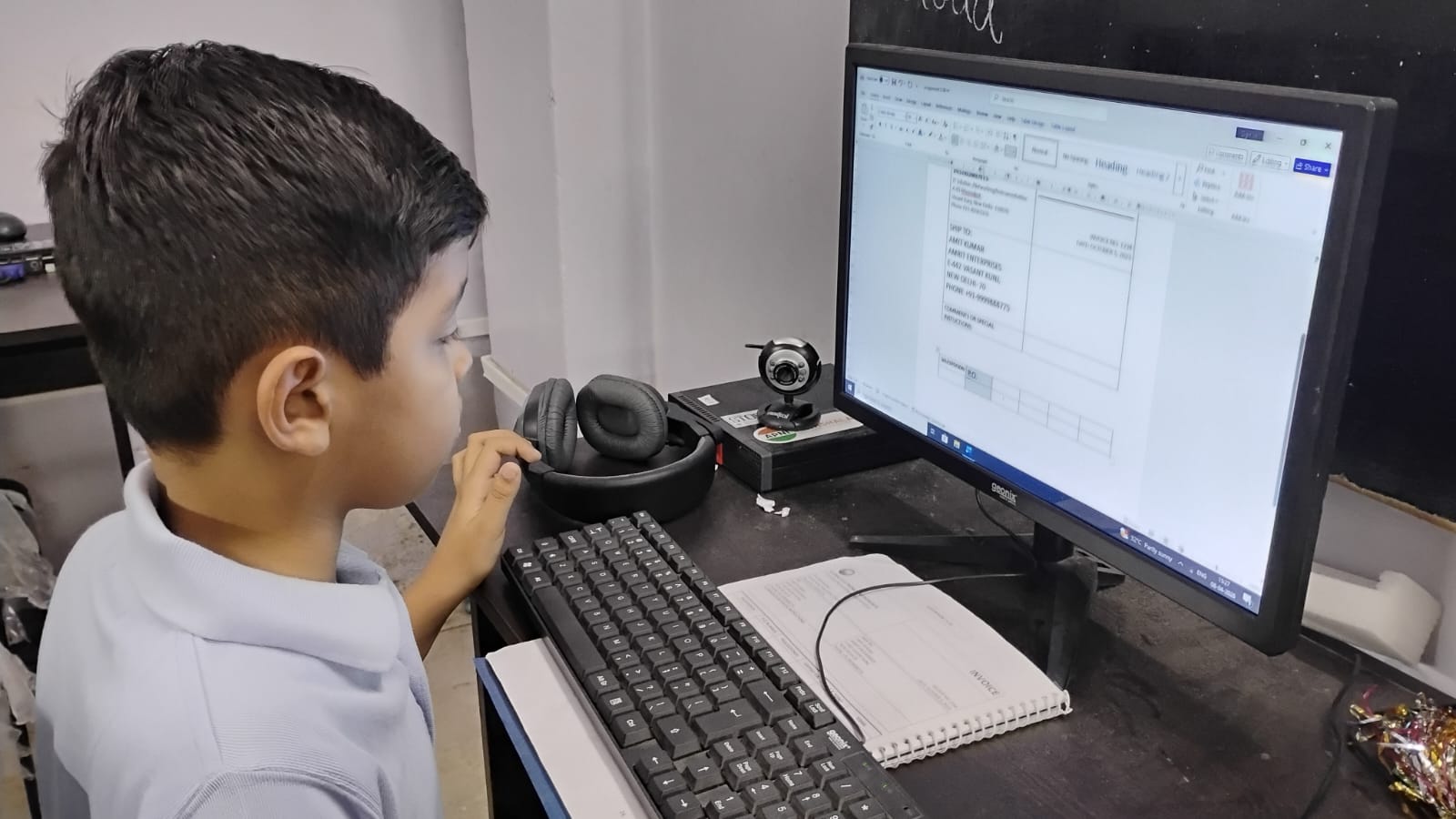
Digital citizenship India parents are beginning to talk about is the bigger picture beyond safety rules. A digital citizen is someone who participates in the online world with integrity, who contributes positively, respects others, protects their own privacy, and uses technology in a way that reflects their values.
This is not something children learn overnight. It builds over years of small conversations, guided experiences, and modelled behaviour. Here is the good news, you do not have to do it alone.
India’s schools are increasingly incorporating digital literacy and citizenship into their curriculums. NCERT (National Council of Educational Research and Training) has developed structured digital literacy frameworks for Indian schools, covering responsible internet use, data privacy, and safe online behaviour across different age groups. These resources are free and aligned with India’s national curriculum.
At home, the most powerful thing you can do is stay engaged. Know what platforms your child uses. Know who they talk to online. Ask questions regularly, not to interrogate, but to stay connected. A child who knows their parent is genuinely interested in their digital life is far less likely to make choices they would regret.
Apna PC supports this by giving children a focused, educational device at Rs. 21,000 (shipping and GST excluded), one that builds productive digital habits from the very first day, rather than leaving children to navigate an unfiltered internet alone. Read more about building a safe home learning environment on our The Hidden Cost of Not Having a Computer in 2026 page.
Raising a digitally responsible child is one of the most important things a parent can do in today’s world. It does not require perfection, it requires presence, patience, and the right tools. Start the conversation today. Visit apnapc.com to learn more.