

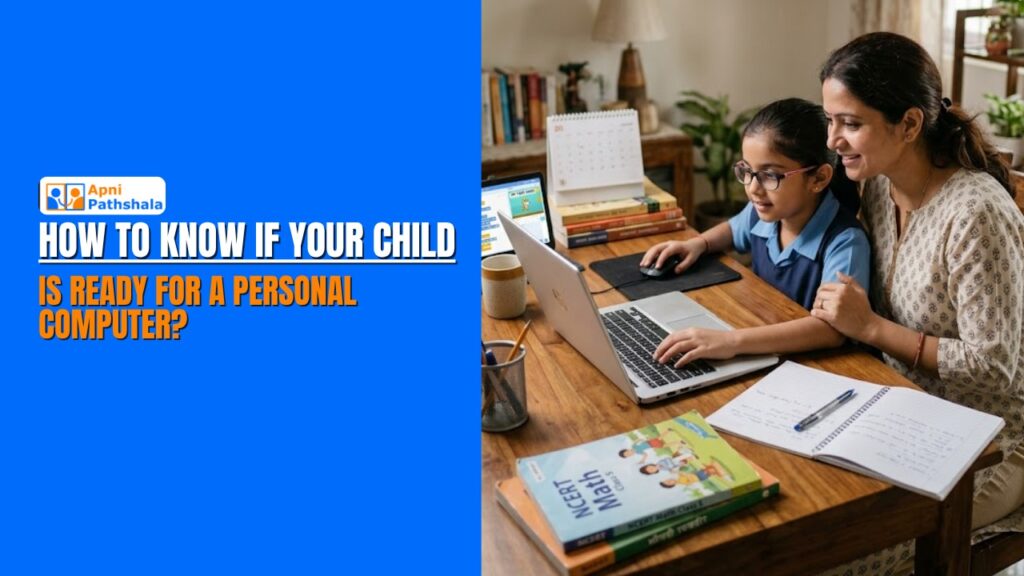
Kavita and her husband have been going back and forth for months. Their daughter Ishika is in Class 5, and she keeps asking for her own computer. Her school assigns digital homework. Her friends all seem to have devices at home. But Kavita is not sure, is Ishika old enough? Will she misuse it? Is it too soon? These are questions thousands of Indian parents are asking right now. Knowing when a child should get a computer is a question many Indian families are raising is not about a fixed age. It is about readiness, and this blog helps you figure that out.
Is There a Right Age for a Child to Get Their Own Computer?
There is no single perfect age, but there are clear signals. Most child development experts suggest that children between 8 and 12 years old are generally ready for structured, supervised computer use. This is the age when academic needs grow, typing becomes a useful skill, and children can begin to understand basic rules around screen time and online safety.
The right age computer for child India parents should think about depends on three things: academic need, emotional maturity, and parental involvement. A Class 4 child who has digital homework, can follow instructions, and has a parent who will guide their usage is far more ready than a Class 7 child left completely unsupervised with unrestricted internet access.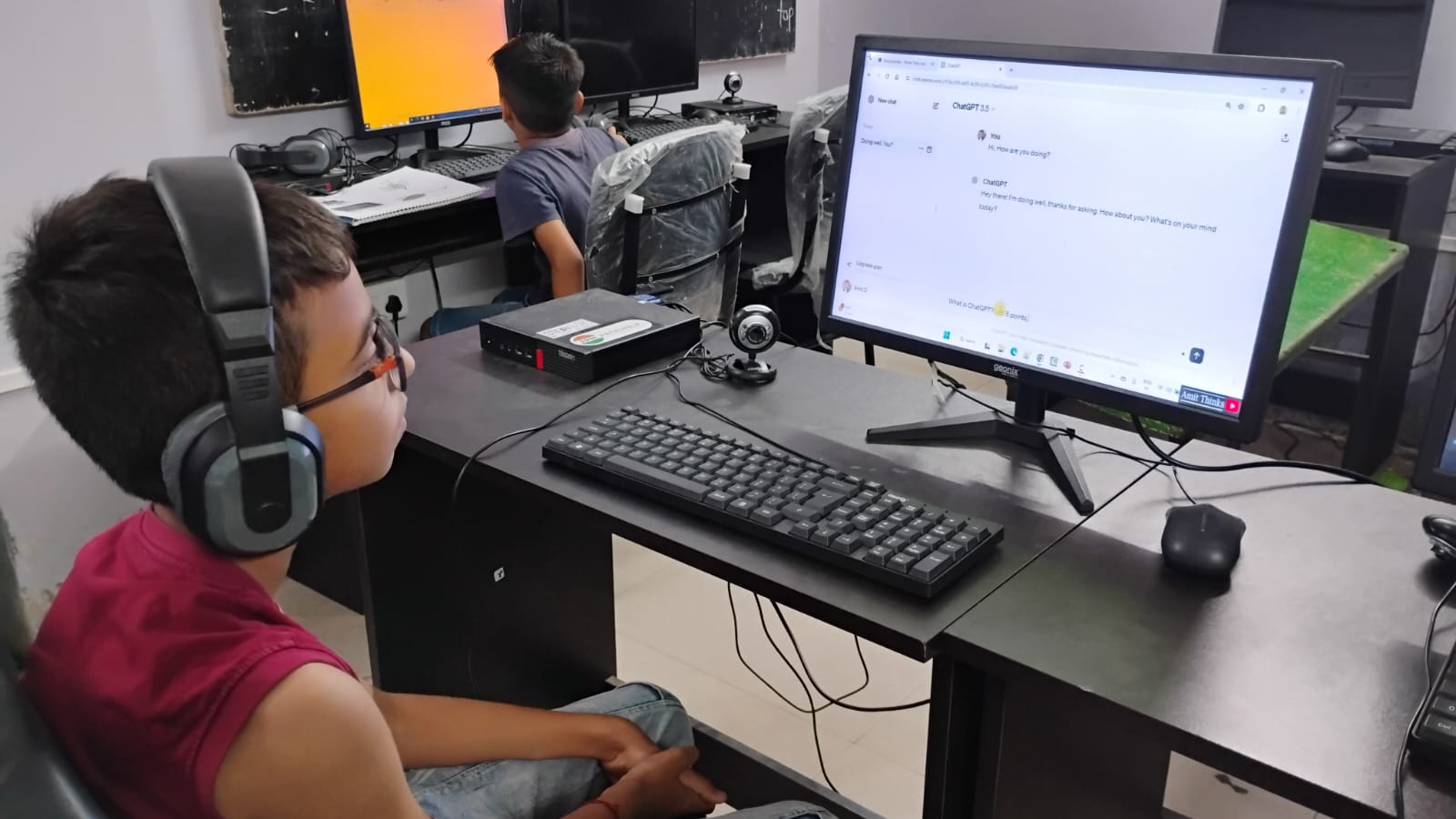
According to UNICEF India’s child online safety guidelines, the key is not the age of the device, it is the quality of supervision and the purpose behind the usage. A computer used for learning, with a parent present in the early weeks, is a powerful tool at almost any school-going age.
Signs Your Child Is Ready for Their First Computer
Rather than waiting for a birthday or a school grade, look for these readiness signals in your child. These apply across ages and are far more reliable than any fixed number:
- They have school-related digital needs: If your child’s school assigns online homework, uses digital textbooks, or expects them to submit typed assignments, they need a computer, full stop. Academic necessity is the strongest sign of readiness.
- They can follow basic rules: A child who understands “you can use the computer for one hour after homework” and actually follows it is showing the maturity needed for kids and computers India parents worry about. Rules do not need to be perfect, just consistent.
- They show curiosity about learning: Children who ask questions like “how does this work?” or “can I look this up?” are naturally drawn toward using computers as tools, not just entertainment. That curiosity is a green flag.
- They are not already addicted to a smartphone: If your child struggles to put down a phone, giving them a computer without structure will make things worse. Address screen habits first, then introduce a computer with clear purpose and boundaries.
- You are ready to be involved: The child’s readiness matters, but so does yours. The first few months of computer use at home set the habits for years. If you can spend 15 minutes a day sitting with your child during their computer time initially, the experience will be far more positive for everyone.
Learn how Apna PC is designed to make a child’s first computer experience safe, structured, and focused on learning on our What Is Apna PC page.
How to Make the First Computer a Learning Tool, Not a Distraction
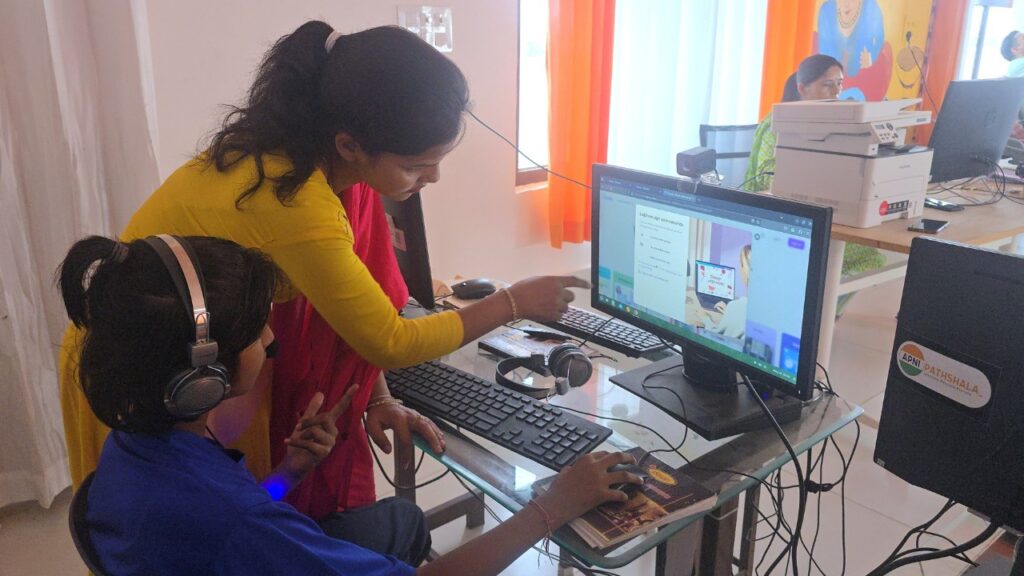
The biggest fear most Indian parents have is simple, they are worried their child will waste time on YouTube or games instead of studying. That fear is valid. But it is also manageable, especially when the first computer for child India families choose is built with education in mind.
Here is how to set your child up for success from day one:
- Place the computer in a shared family space: A computer in the living room or study area, not in the bedroom, makes supervision natural and reduces the risk of misuse without needing to monitor every session.
- Start with a clear purpose: Tell your child exactly what the computer is for, homework, learning apps, specific educational platforms. Starting with structure prevents bad habits from forming in the first place.
- Use a purpose-built educational device: A regular laptop or a hand-me-down computer loaded with games and entertainment apps is not the best starting point. A device like Apna PC, preloaded with educational tools and safe browsing built in, removes the temptation entirely. At Rs. 21,000 (shipping and GST excluded), it is the most affordable first computer for an Indian student that is actually designed for learning.
- Set time limits early: 45 minutes to 1 hour of computer time on school days is a healthy starting point. Use a timer. Be consistent. Children adapt quickly to rules that are set clearly and calmly from the beginning.
The Digital India programme has been actively promoting digital literacy for school-going children across the country, reinforcing that computer access at the right time, used the right way, is one of the most important investments a family can make in a child’s future.
Read more about how to create the right home learning environment on our Why Every Indian Student Needs Their Own Computer page.
Your child does not need to be a certain age to be ready for a computer. They need the right environment, the right device, and a parent who is involved. When those three things come together, a personal computer becomes one of the most powerful learning tools your child will ever have. Visit apnapc.com to learn more.