

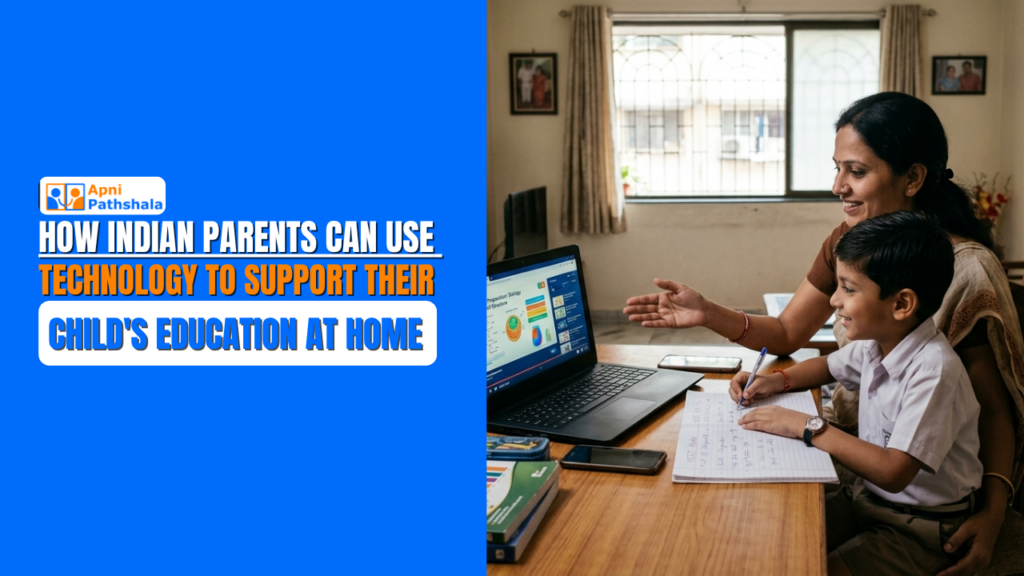
Sunita is a mother of two in Bhopal. She never went to college, but she wants her children to have every opportunity she did not. Her daughter is in Class 8 and struggling with science. Her son is in Class 5 and just starting to read in English. Sunita does not know how to help, until a neighbour tells her about free learning tools available on a home computer. Using technology for education at home India is not just for tech-savvy parents. It is for every parent who wants to be part of their child’s learning journey.
Why Home Learning Matters More Than Ever
School time is limited. A child spends roughly 6 hours in school each day, but learning does not stop at the school gate. The hours at home are just as important, especially for children who need extra practice, have fallen behind, or simply want to go deeper into topics they enjoy.
The good news is that home learning tools India parents can access today are better than ever, and most of them are completely free. Platforms like DIKSHA, Khan Academy, and Google for Education offer structured lessons for every class and subject, available any time of day or night. All a parent needs is a reliable computer and a little guidance on where to start.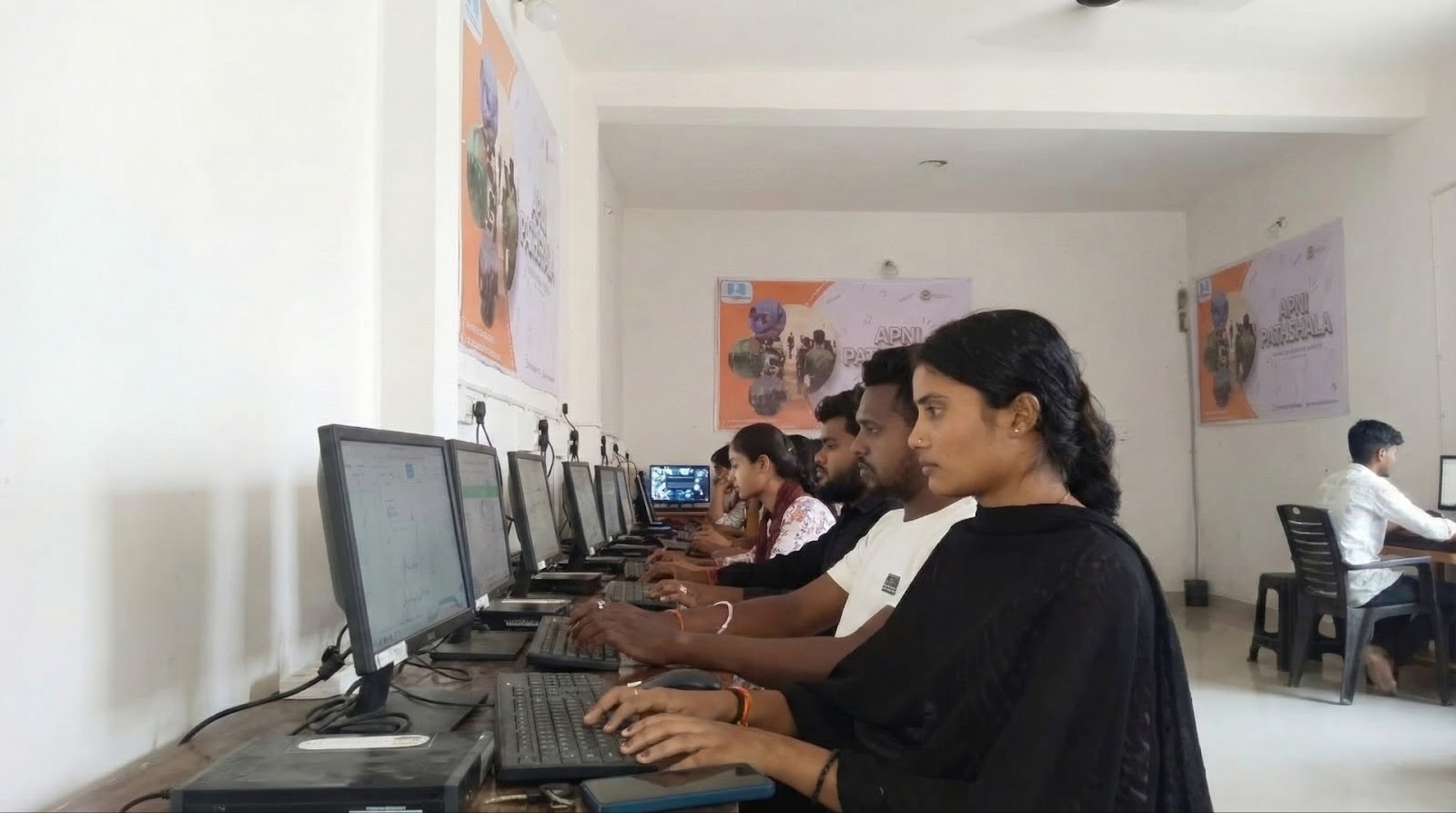
According to UNICEF India, children who have access to learning support at home consistently perform better in school, not just in grades, but in confidence and problem-solving ability. That support does not have to come from a tutor. It can come from a parent, the right device, and the right tools.
How Parents Can Use Technology to Help Their Child Learn
You do not need to be a tech expert to support your child’s education at home. Here are simple, practical ways any Indian parent or teacher can use technology to make a real difference:
- Use free educational platforms: DIKSHA (by the Government of India), Khan Academy, and YouTube EDU channels offer high-quality lessons for Class 1 to Class 12, in Hindi and English. Sit with your child for the first few sessions to help them get comfortable.
- Set a daily learning routine: Consistency matters more than duration. Even 30–45 minutes of structured screen time on a computer each evening, watching a lesson, practising problems, or reading, builds a strong habit over time.
- Use learning apps for weak subjects: If your child struggles with maths, apps like Vedantu or Topper offer targeted practice. For English reading, tools like Oxford Reading Tree digital books are excellent for younger children.
- Encourage typing and basic computer skills: Typing practice, creating simple documents, and organising files are all skills children need for their future. A computer at home makes this natural and easy to practise daily.
- Watch educational videos together: You do not need to explain every concept yourself. Watch a lesson together, pause to discuss, and let the video do the teaching. Parents support child learning India most effectively when they are present and engaged, not necessarily experts.
Learn how Apna PC makes all of this easier with tools preloaded and ready to use from day one on our What Is Apna PC page.
The Right Device Makes Home Learning Actually Work
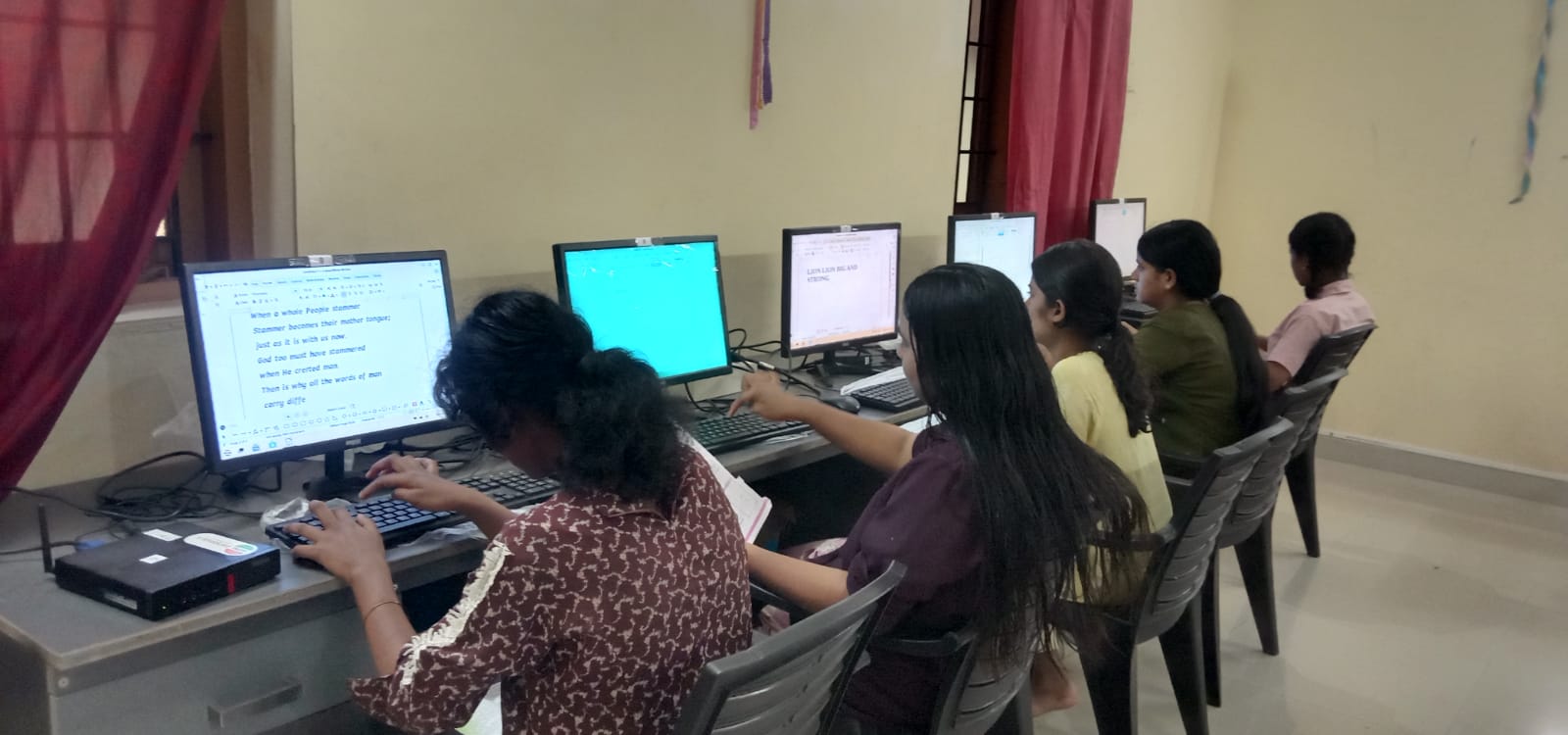
A shared smartphone is not enough. Most educational platforms, especially those recommended by Indian schools and the government, are designed to work best on a computer with a proper screen, keyboard, and stable performance. Trying to do homework or watch lessons on a 6-inch phone screen is frustrating for children and limits what they can actually learn.
This is where education technology for parents India families often hit a wall, the tools exist, but the right device does not. Apna PC solves this problem directly. At Rs. 21,000 (shipping and GST excluded), it is a purpose-built educational computer for Indian students, preloaded with learning software, safe browsing built in, and simple enough for any child to start using immediately.
Parents do not need to install anything, configure settings, or worry about what their child is accessing. The device is designed for learning and nothing else. That peace of mind is worth more than the price tag.
The Government of India’s Digital India programme has been working to bring quality digital education tools to every household. Apna PC is built in the same spirit, making technology for education at home accessible to every Indian family, not just those who can afford premium devices.
Who Benefits Most From Home Education Technology?
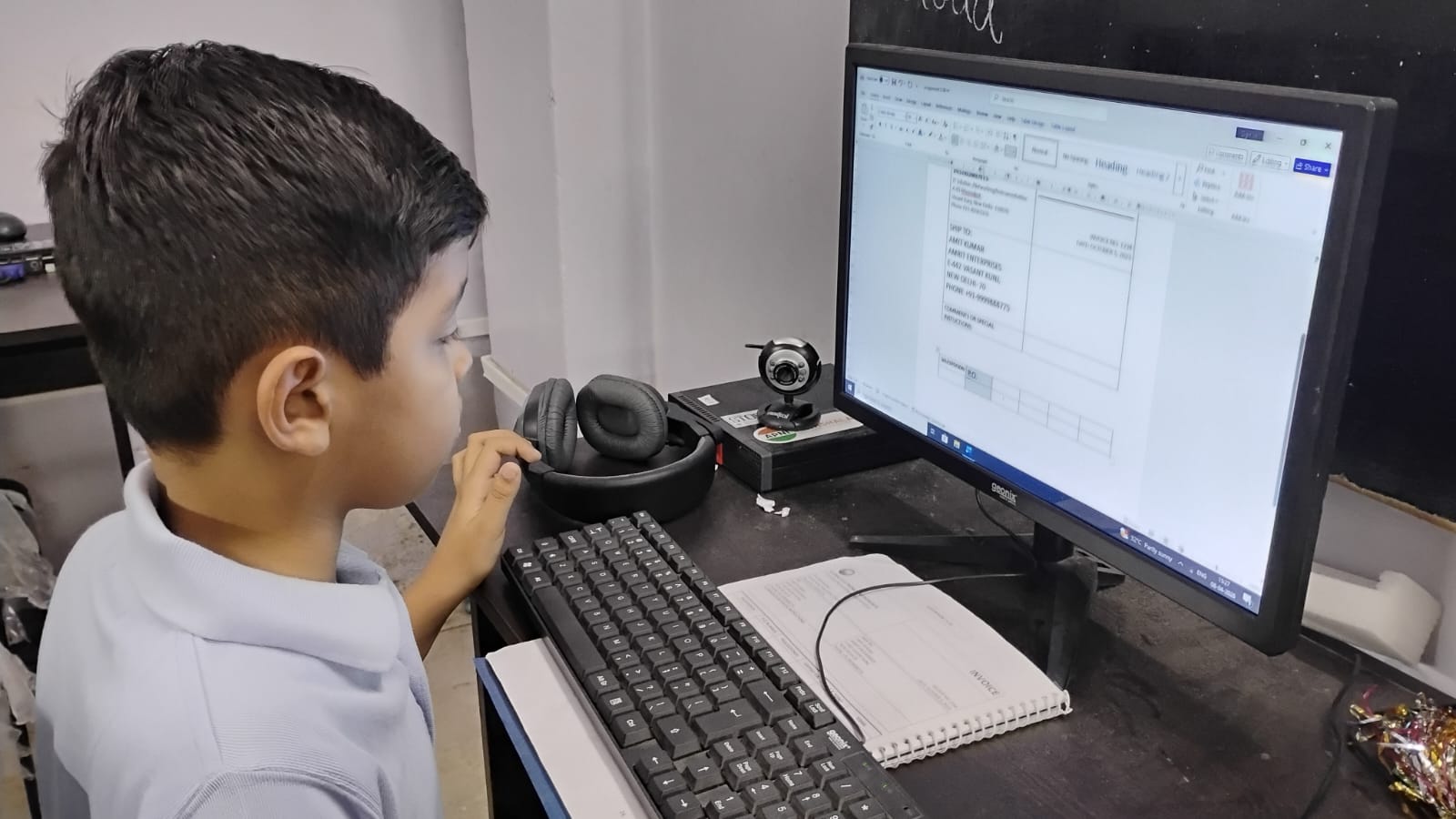
- Parents in Tier 2 and Tier 3 cities: You may not have access to the best schools or coaching centres nearby, but with the right tools at home, your child can access quality education that rivals any city school.
- Students in Class 4 to Class 10: These are the most critical years for building strong academic foundations. Technology at home gives students the extra practice and support they need during this period.
- Teachers who want to extend learning beyond the classroom: Recommending free platforms and encouraging parents to use home computers as learning tools is one of the most impactful things a teacher can do today.
Every parent wants their child to succeed. Technology is not a shortcut, it is a bridge. It connects children to quality content, gives them space to learn at their own pace, and helps parents stay involved even when they do not know the subject themselves. Give your child the tools they deserve at home. Visit apnapc.com to learn more.