

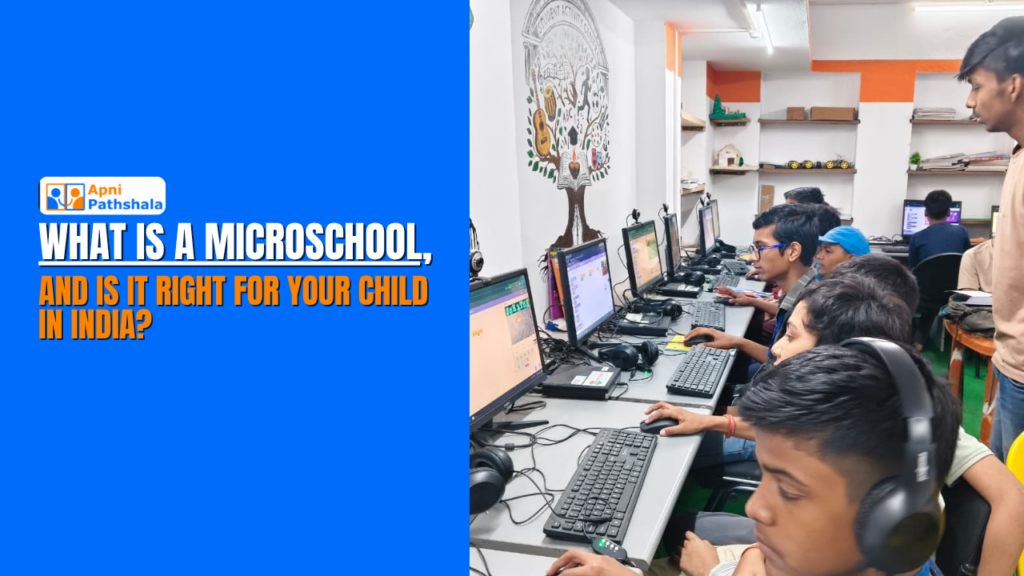
Sneha lives in Jaipur, and her son Aarav is in Class 5. His school has 50 students packed into one classroom. The teacher barely has time to answer questions, and Aarav comes home frustrated almost every day. Sneha looked into private schools, but the fees were beyond her budget. Then she heard about a small learning centre near her home, just 12 students, one teacher, and real attention. That is a microschool. And for thousands of Indian parents like Sneha, understanding what a microschool in India means could change their child’s education entirely.
What Exactly Is a Microschool?
A microschool is a small, independent learning environment, usually with 5 to 15 students, where education is personalised, flexible, and focused on understanding rather than memorising. It is not a coaching class, and it is not a full school either. Think of it as a modern version of the old guru-shishya model, small group, big impact.
Microschools do not follow a rigid timetable or a one-size-fits-all syllabus. They adapt to how each child learns best. Some use project-based learning. Others focus on skill-building and real-world application. What they all share is the belief that children learn better when they are seen, heard, and given individual attention. This is why alternative schooling in India is growing; parents want something that actually works for their child.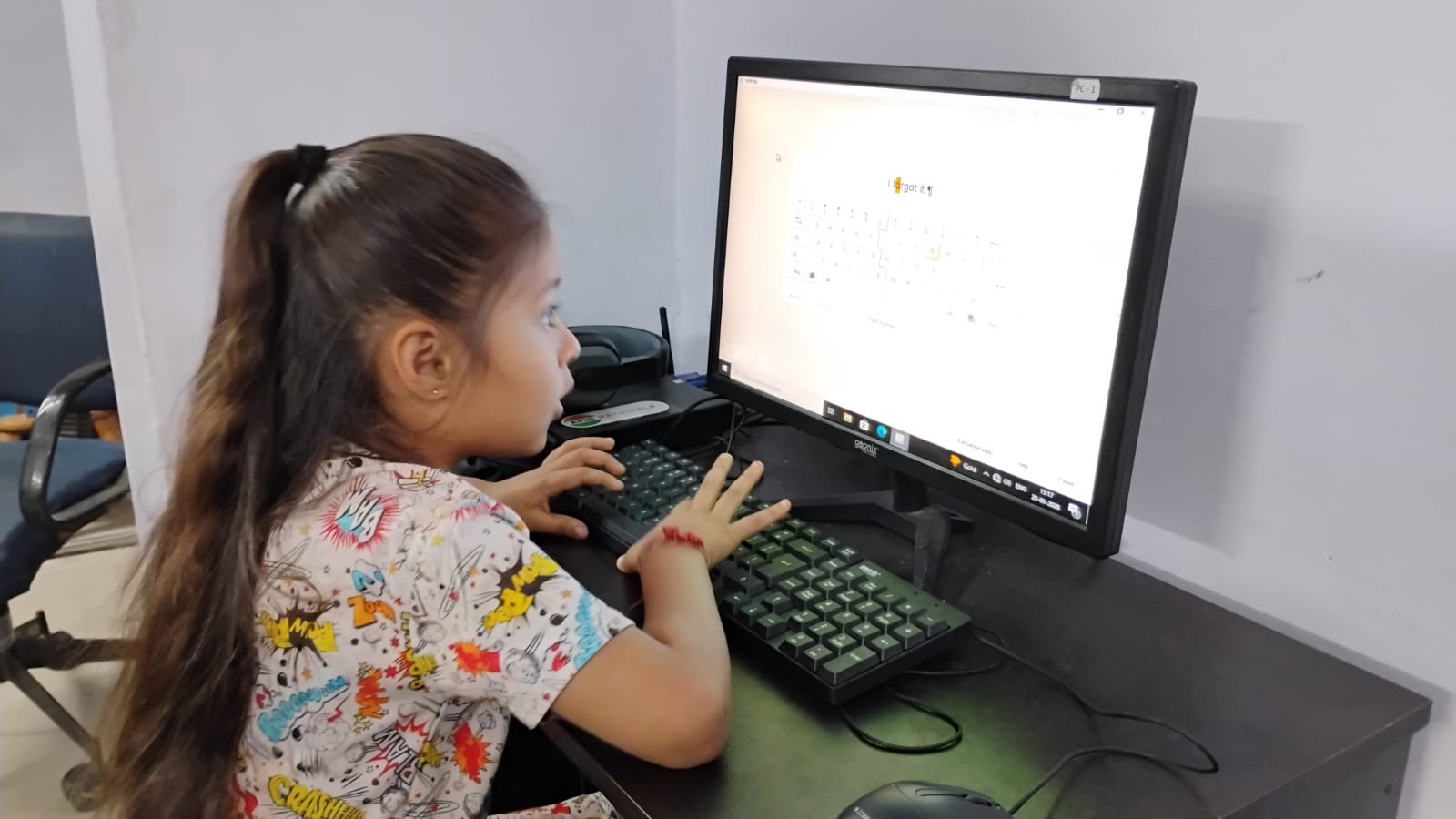
According to UNICEF global education research, personalised learning environments consistently produce better outcomes for children, especially those who struggle in large, traditional classrooms.
Why Are Indian Parents Choosing Microschools?
The reasons are different for every family, but a few themes come up again and again:
- Crowded classrooms: Government schools often have 40–60 students per teacher. Private schools are not much better. In a microschool, every child gets attention.
- Rigid curriculums: Traditional schools teach to the test. Microschools focus on understanding, creativity, and critical thinking, skills that actually matter in life.
- Affordability: A good small group learning setup in India often costs less than half of what a mid-tier private school charges, with better results.
- Flexibility: Microschools can adapt their pace, schedule, and teaching methods to suit the children in the room. No child gets left behind because the syllabus is moving too fast.
- Safe, supportive environment: With fewer students, there is less bullying, less anxiety, and more genuine connection between teacher and child.
For parents exploring homeschooling options in India, microschools offer a middle ground, the freedom of home education with the structure and social interaction of a classroom.
How Does Technology Fit Into a Microschool?
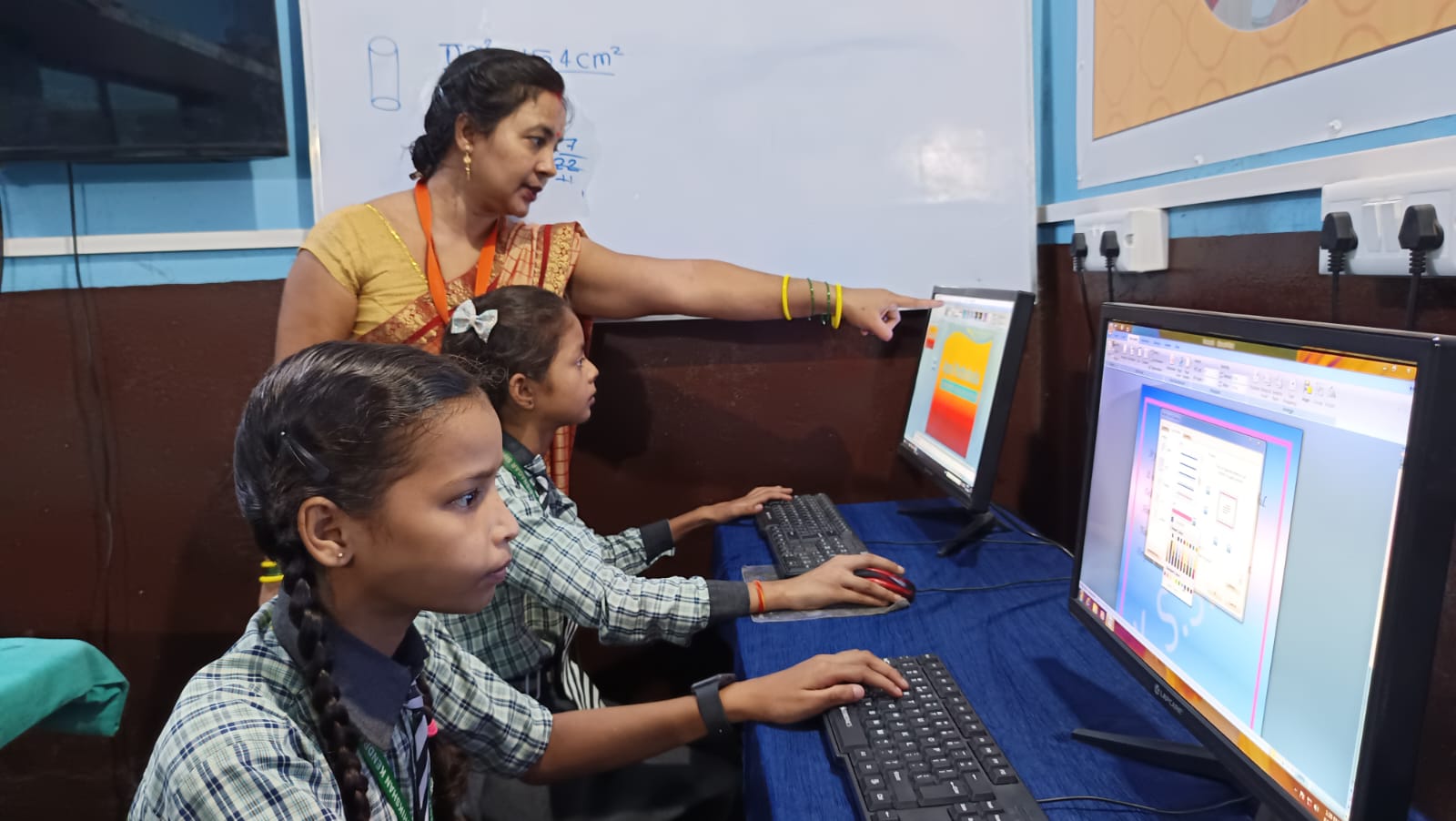
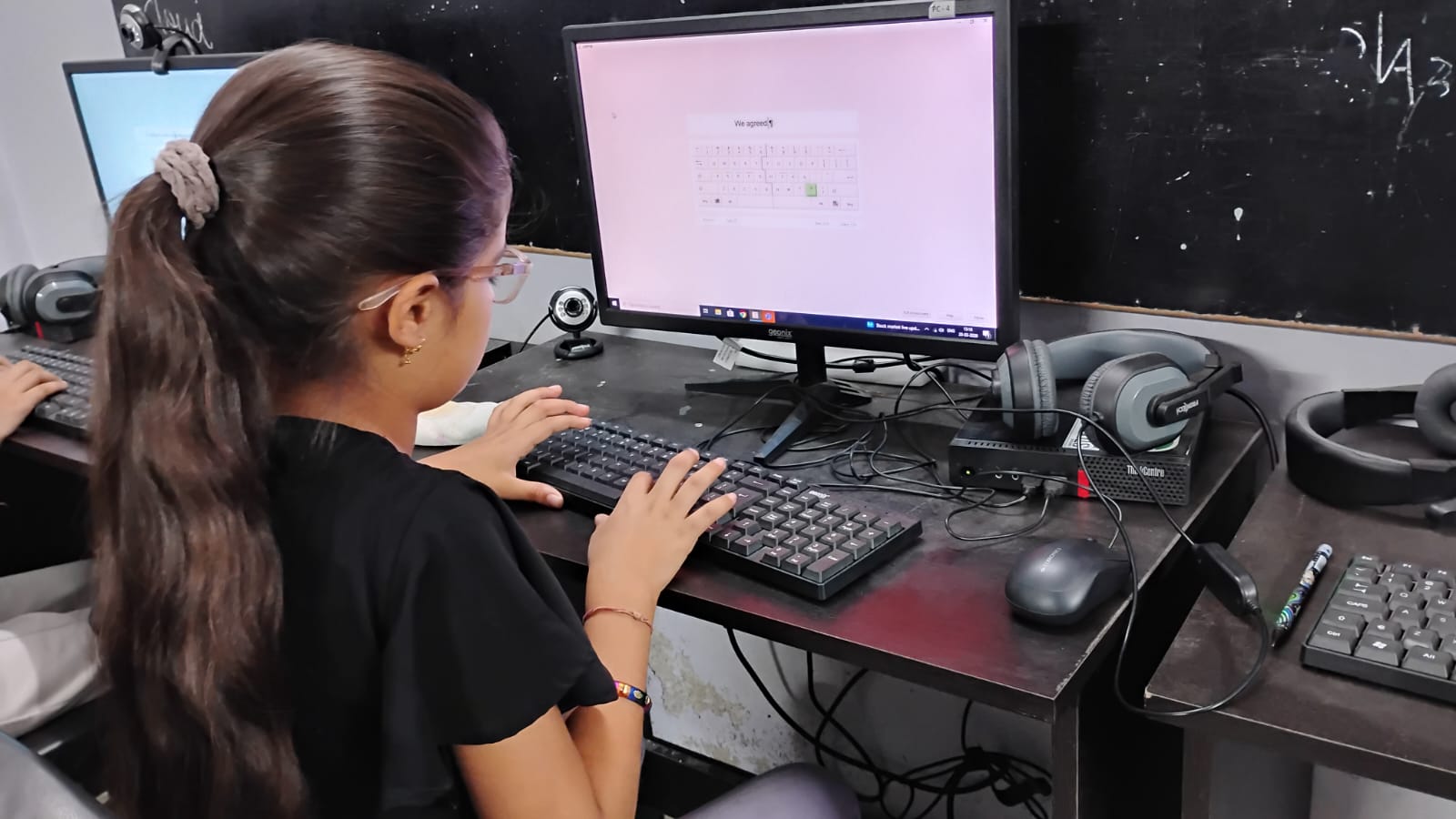
Most microschools in India rely heavily on digital tools, which is why having the right computer matters. A microschool does not need a full computer lab with 30 machines. It needs a few reliable, affordable devices that students can use for research, projects, coding practice, and digital literacy.
This is exactly what Apna PC is built for. At Rs. 21,000 (shipping and GST excluded), it gives microschools a purpose-built educational computer, preloaded with learning tools, safe browsing, and no distracting entertainment apps. Whether a microschool has 5 students or 15, Apna PC fits right into the setup without breaking the budget.
Learn more about how Apna PC supports learning environments at our What Is Apna PC page.
Is a Microschool Right for Your Child? 
There is no single answer, but here are some signs a microschool might be the right fit:
- Your child struggles in large classrooms and needs more one-on-one attention from a teacher.
- You want your child to learn practical skills, not just pass exams. Microschools often focus on real understanding and hands-on projects.
- You are a parent or teacher who believes education should be personalised, not standardised. Many microschools in India are started by passionate teachers and community members.
The Ministry of Electronics and Information Technology (MeitY) has been actively promoting digital literacy in non-traditional education setups, making it easier than ever for microschools and community learning centres to access quality digital tools and resources.
Microschools are also a great option for NGOs and community organisations looking to set up small learning centres in underserved areas. You do not need a big building or expensive infrastructure, just a small space, a dedicated teacher, and the right tools. Read how Apna PC helps community learning at our Why Every Indian Student Needs Their Own Computer page.
Education is changing in India, and microschools are a big part of that change. Whether you are a parent looking for something better, or a teacher dreaming of a smaller, more meaningful classroom, the answer might be closer than you think. Visit apnapc.com to learn more and bring the right learning tools to your child today.