

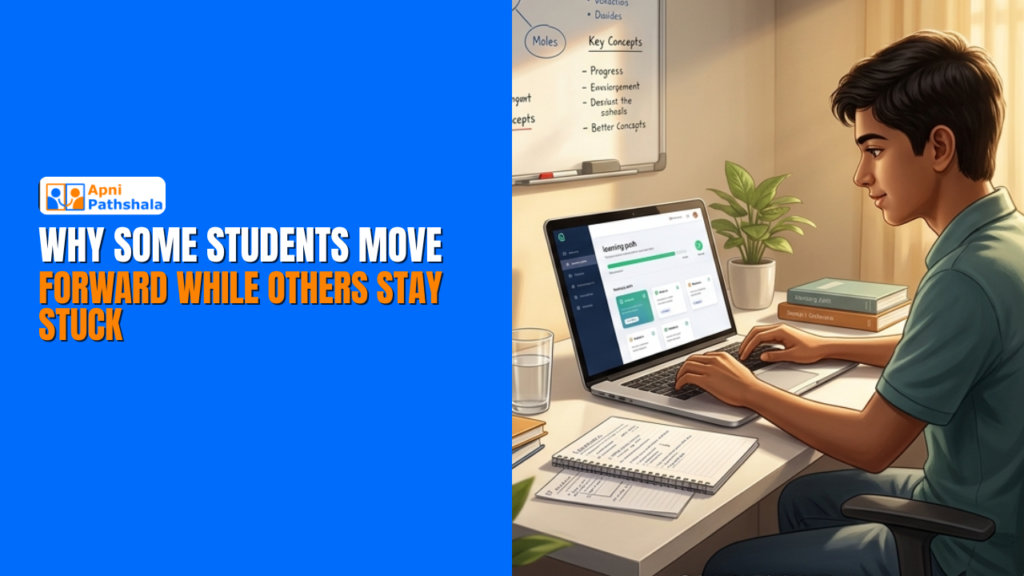
Last year, I met Haripriya, a bright 14-year-old from a small village in Maharashtra. She would walk 3 kilometres every day just to access a computer at her school lab. But here’s what struck me: despite the long walk, she never missed a single day. She had this burning curiosity, this hunger to learn. But I also met Surendra, equally bright, from the same village. He had given up completely. “What’s the point?” he told me. “By the time I get to the computer, it’s time to go home.” Two students, same village, same opportunities on paper. But one moved forward while the other stayed stuck. This difference still haunts me.
The Gap Isn’t About Intelligence
Here’s what we’ve learned from years of working with students: the gap between those who move forward and those who stay stuck isn’t about intelligence. It isn’t even about resources, at least not entirely. It’s about access and consistency. When Haripriya finally got a laptop through Apna PC, everything changed for her. She didn’t suddenly become smarter. She just had the tools to practice what she was learning every single day. That’s the difference. You can read about the learning gap no one talks about at home to understand this better.
Access Changes Everything
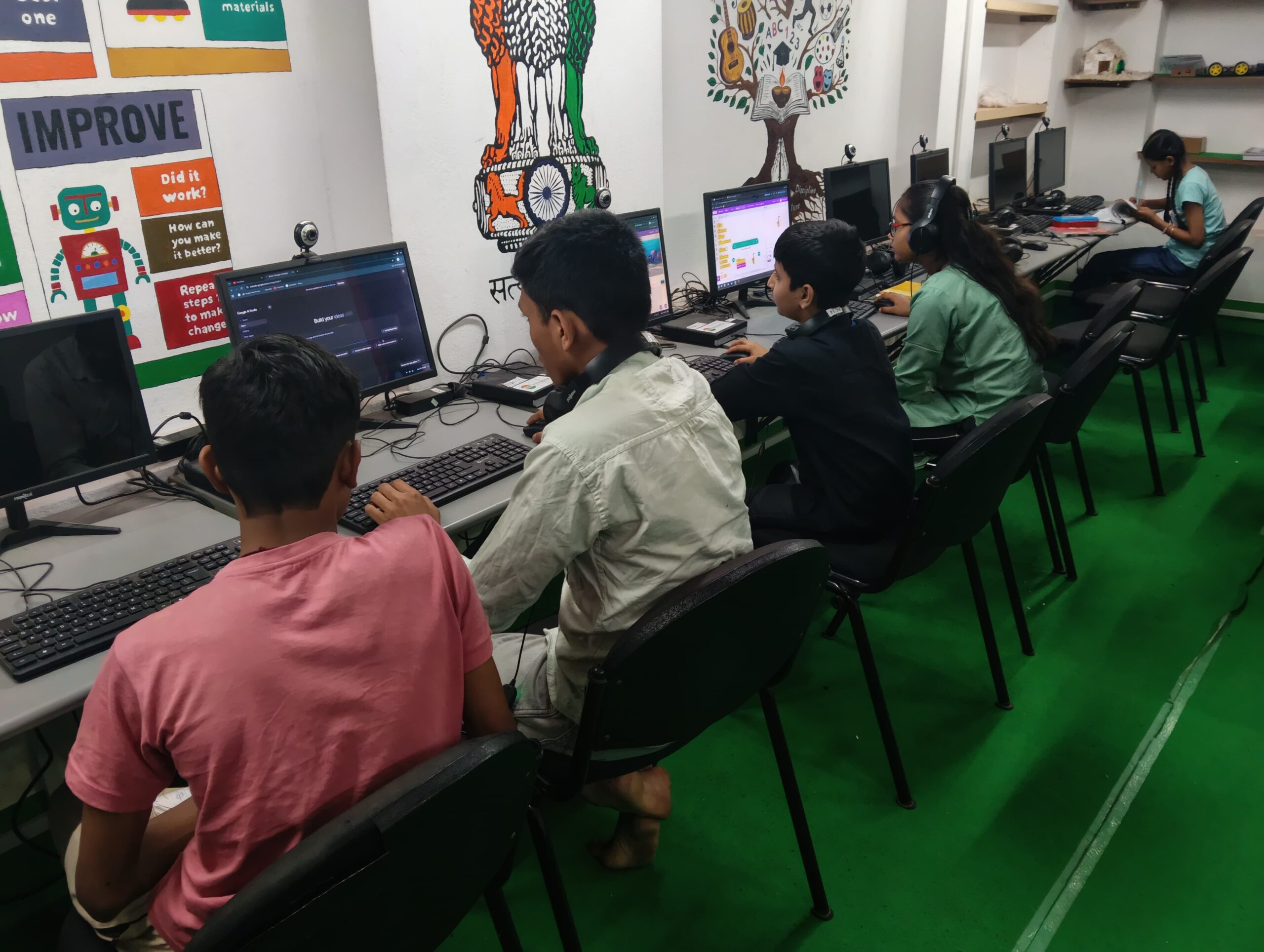
Think about it this way: if you want to learn to play cricket, you need a bat and a ball. You can watch videos, read books, and listen to coaches. But without equipment, you can’t practice at all. Learning works the same way. Students who have access to a computer at home can practice coding, explore new subjects, watch educational videos, and complete assignments on their own schedule. Students without access are always playing catch-up. They’re waiting for computer lab time, borrowing devices, and rushing through tasks. The World Bank’s education research shows that consistent access to learning tools is one of the strongest predictors of student success.
The Consistency Factor
Here’s what separates students who move forward or stay stuck: they practice consistently. Not perfectly, not intensively, but consistently. When Sruthi from our program got her first computer, she spent 30 minutes every evening exploring. Some days she learned something new. Other days she just played around. But over time, those small daily sessions added up to real skills. This is the compounding effect of consistency. Students who can’t practice at home lose this advantage. They learn something in class, then forget it by the time they get another chance to practice. What happens when a child has access and when they don’t shows this gap clearly.
Confidence Comes From Practice
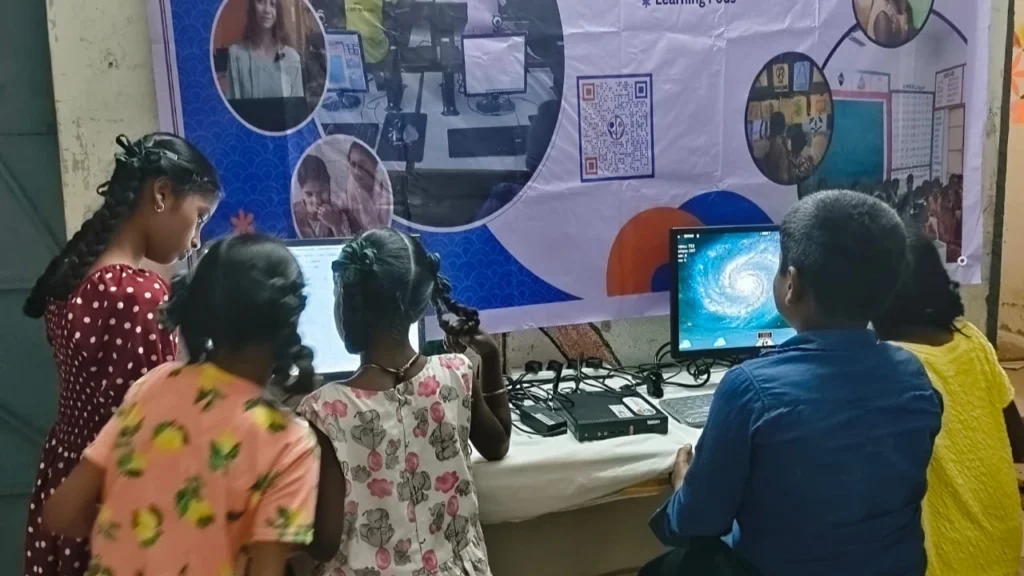
There’s another factor we rarely talk about: confidence. When Devendra first joined our program, he was hesitant and unsure. He’d watched his classmates who had computers at home zoom ahead while he struggled. He started believing he just wasn’t “good with technology.” But once he had regular access, something shifted inside him. He made mistakes, sure. He broke things, deleted files, got frustrated. But he also figured things out on his own. He learned to troubleshoot problems. He discovered he could teach himself new skills. That confidence, that belief that “I can figure this out,” is what separates students who keep pushing forward from those who give up entirely.
The Environment Matters
Let’s be honest about something important: some students have supportive environments and others don’t. Some have parents who encourage learning, siblings who help, quiet spaces to study. Others have to fight for every minute of practice time they can get. When Sivani got her computer, her whole family got involved in her learning journey. Her father would ask her to show him what she learned each day. Her younger brother would sit beside her and watch her work. She became a teacher in her own home. That support system made a huge difference in her progress. Not every student has that advantage. But access to a computer at least gives them a fighting chance. Teachers across India are seeing this pattern clearly, and resources like Teachers of India share many inspiring stories of how daily access truly transforms learning outcomes for young students.
What You Can Do
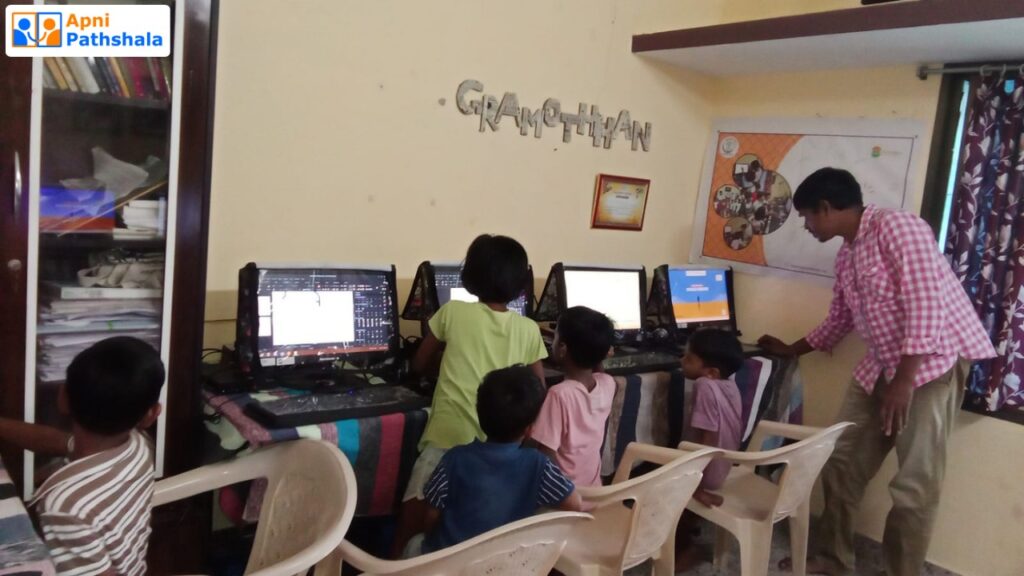
If you’re reading this and thinking about a student in your life, here’s the truth: you can’t change their natural intelligence or even their family situation. But you can change their access to learning tools today. You can give them the consistency they need. You can help build their confidence. Sometimes, that’s all it takes to shift someone from “stuck” to “moving forward.”
Ready to help a student move forward? Check out Apna PC at just ₹21,000 (shipping and GST excluded). Sometimes one decision changes everything.