

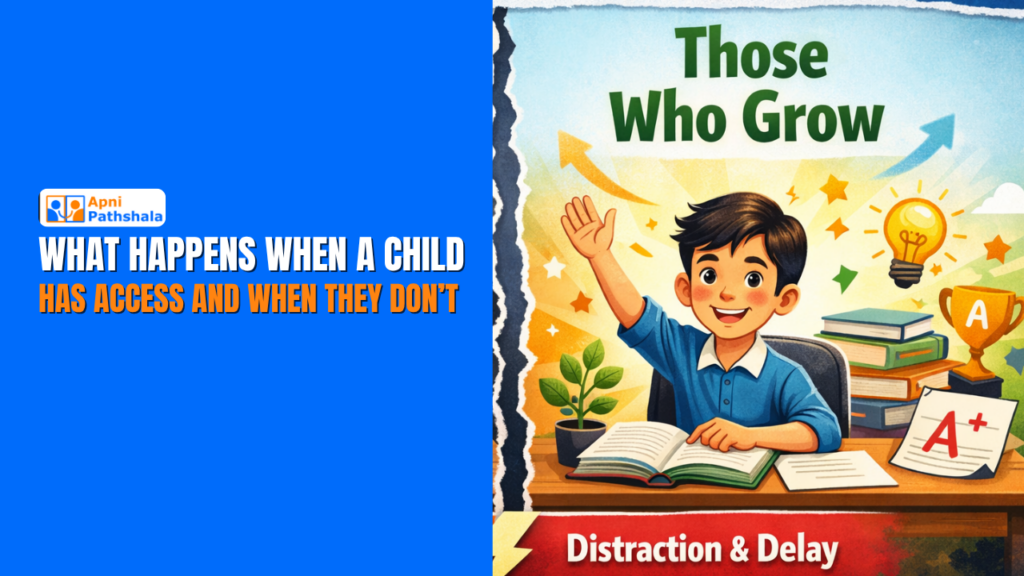
Let me tell you about Sruthi and Surendra. Both live in similar neighborhoods in small towns. Both go to government schools. Both have parents who work hard to make ends meet. But there’s one crucial difference that changes everything.
Sruthi’s family managed to get her a refurbished computer through a local program. Every evening, she sits down and explores lessons, watches educational videos, and practices typing her school assignments. Her eyes light up when she discovers something new.
Surendra relies entirely on his school textbooks. His family can’t afford any device at home. When he has questions about homework, he has to wait until the next school day to ask his teacher. By then, he’s often forgotten what confused him.
This isn’t just about gadgets. It’s about what happens when a child has access to learning beyond the classroom walls, and what happens when they don’t.
Learning Doesn’t Stop at School
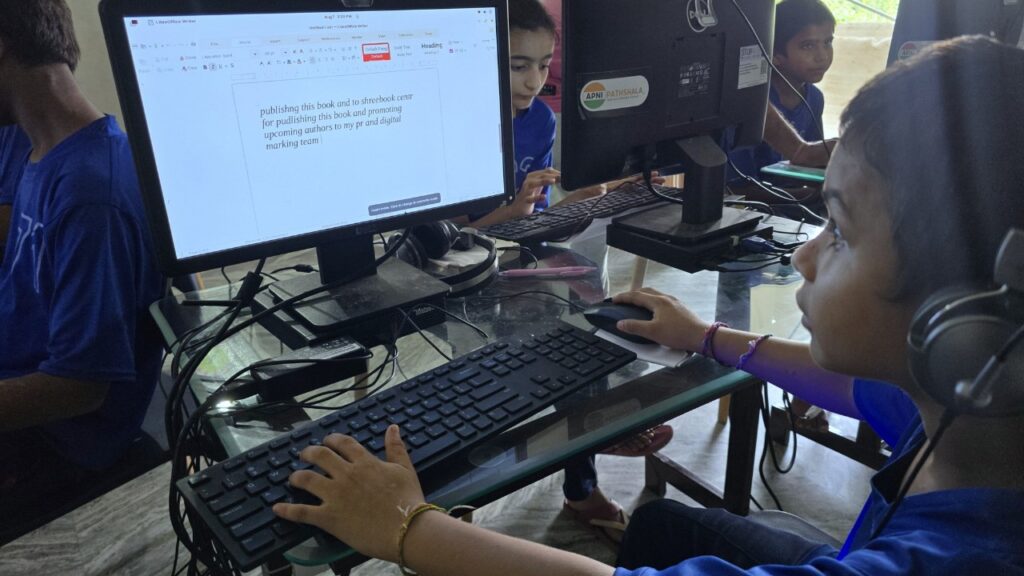
When a child has access to learning tools, education becomes a continuous possibility. Sruthi doesn’t have to wait for her teacher to explain a concept. She can pause a video tutorial, rewind it, and watch it again until she understands. She can search for alternative explanations when one method doesn’t click.
Surendra’s learning is confined to school hours. Once he leaves the classroom, his educational resources stay behind. A question that pops up at 8 PM remains unanswered until the next morning, if he remembers to ask at all.
The difference compounds. Sruthi builds momentum. Surendra loses it.
Building Research Skills Early
Children with access learn how to find information. This isn’t just about Googling answers. It’s about developing the ability to research, evaluate sources, and think critically about what they discover. Sruthi knows how to check multiple websites before trusting information. She’s developing digital literacy without even realizing it.
Without access, students rely solely on what adults tell them. They don’t get to practice independent research. They don’t learn how to verify facts or explore different perspectives. When they encounter the internet later, they’re less prepared to navigate it wisely.
You can see how students develop research habits on platforms like SWAYAM, where structured courses teach them to learn independently.
Exploring Interests Beyond the Curriculum
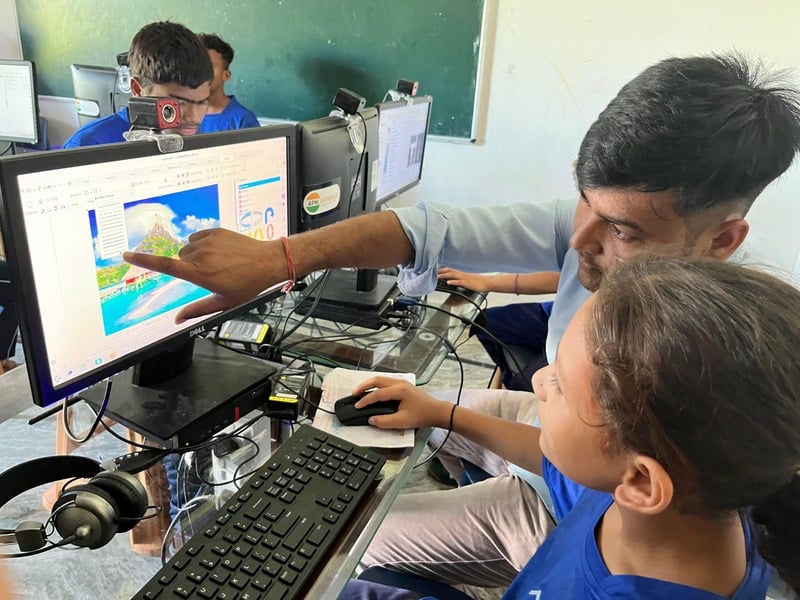
Every child has interests that don’t fit neatly into school subjects. Maybe it’s coding, astronomy, or learning a new language. When a child has access to learning online, they can chase these curiosities. Sruthi discovered free coding lessons and now dreams of becoming a software developer.
Surendra’s interests remain unexplored. He might love astronomy, but without resources to learn more, that spark fades. His potential in areas outside the standard curriculum stays hidden, even from himself.
Platforms like Codecademy show what’s possible when kids can explore topics that excite them, far beyond what any textbook covers.
Developing Confidence Through Practice
Access means more opportunities to practice. Sruthi can type her essays on a computer, edit them easily, and feel proud of a polished final product. She can take online quizzes that give instant feedback. She sees her progress in real time.
Without access, practice feels like a chore. Surendra writes essays by hand, crosses out mistakes, and rewrites entire pages. The process is slow and frustrating. He doesn’t get immediate feedback. His confidence suffers because he can’t see his improvement clearly.
This article on building a smart learning routine at home explains how consistent practice with the right tools transforms struggling students into confident learners.
Preparing for the Digital Future
The world runs on technology. Jobs require digital skills. Students who grow up with access are preparing for this reality without extra effort. They’re comfortable with screens, keyboards, and online communication. The digital world feels natural to them.
Students without access start far behind. They must learn basic computer skills later, often while also trying to learn job-specific skills. It’s like learning to read and write essays at the same time. The gap between Sruthi and Surendra doesn’t just stay the same. It widens.
Understanding the real difference between students who struggle and those who grow often comes down to this single factor: access to tools that make learning continuous, engaging, and personal.
The Gap Grows Every Day
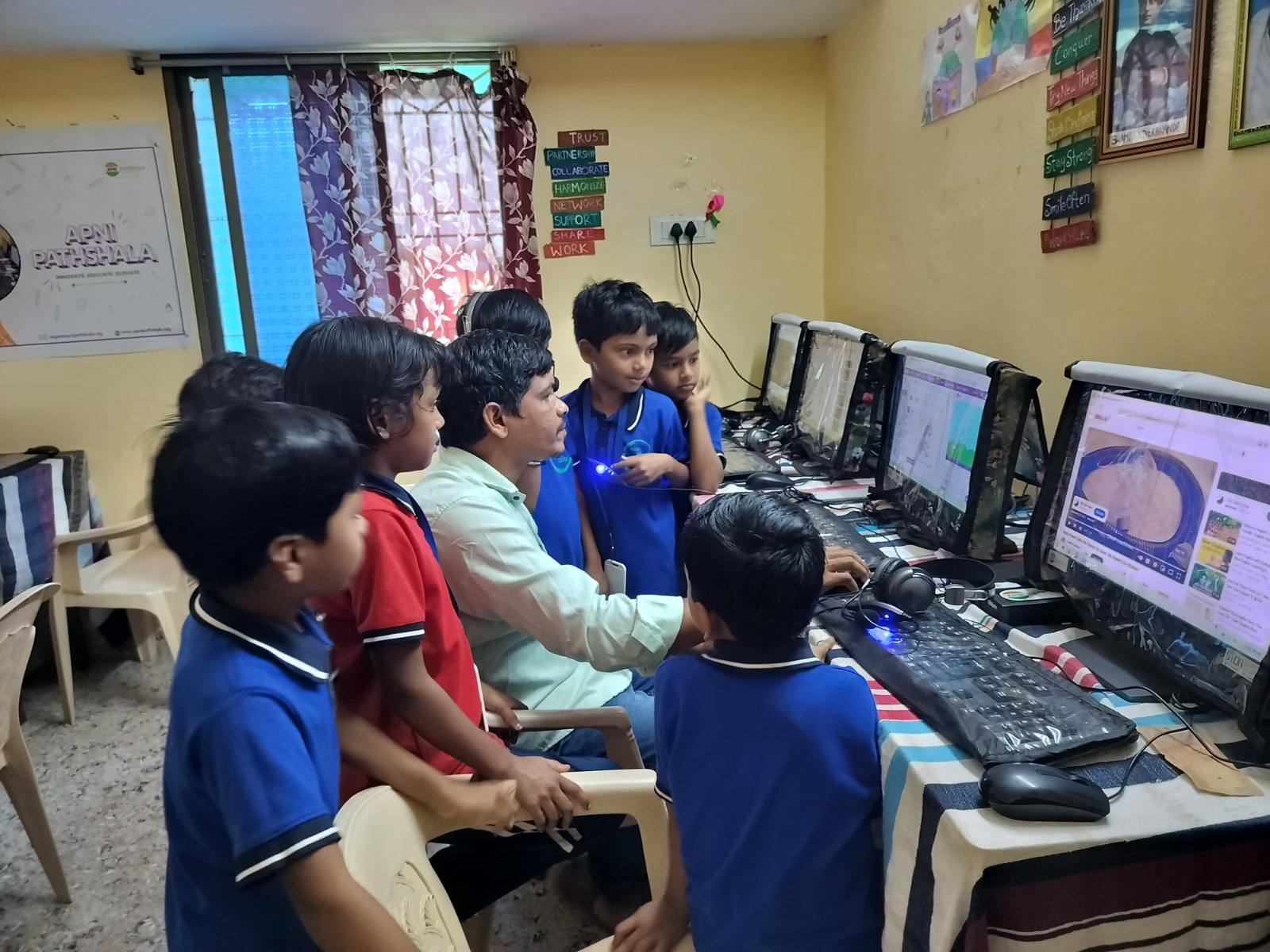
Here’s the hardest truth. The advantage isn’t static. Every day that Sruthi has access and Surendra doesn’t, the gap between them grows. It’s not that Surendra can’t learn. It’s that his environment doesn’t support his learning the way Sruthi’s does.
When a child has access to learning tools, small advantages accumulate into life changing opportunities. When they don’t, small disadvantages pile up into barriers that feel impossible to overcome.
If you want to give your child that advantage, Apna PC offers a reliable refurbished computer for just ₹21,000 (shipping and GST included). It’s a small investment that can change the trajectory of a child’s education.