

The jump from school to college is one of the biggest transitions a young person makes. And while a lot of attention goes into preparing for entrance exams, very little goes into preparing students for what actually happens once they get there. College in India today is deeply digital. Assignments are submitted online. Research means navigating academic databases. Communication with faculty happens over email. Presentations require software skills. Without a computer and the familiarity that comes from using one regularly, a student walks into that environment already at a disadvantage.
Apna PC exists to make sure that disadvantage is not the starting point for students who already have enough to manage.
The Reality of College in a Digital Age
Walk into any college campus across India and you will notice something immediately: students are working on laptops constantly. In the library, in cafes, between classes. The student who does not have their own device spends a lot of time working around that gap. They borrow machines, wait for computer lab access, or try to do on a phone what really needs a full screen and keyboard.
This is not just inconvenient. It has real consequences for academic performance. Research that would take an hour on a laptop takes three hours with limited computer access. A presentation that could be polished late at night gets submitted half-done. Group project coordination becomes significantly harder.
Students from lower-income families and rural areas are most likely to arrive at college without a computer of their own. They are often among the most motivated and hardworking students in any batch. They deserve tools that match their effort. As the National Education Policy 2020 emphasises, digital fluency and technology integration are central to transforming higher education outcomes in India.
Building Digital Confidence Before Day One
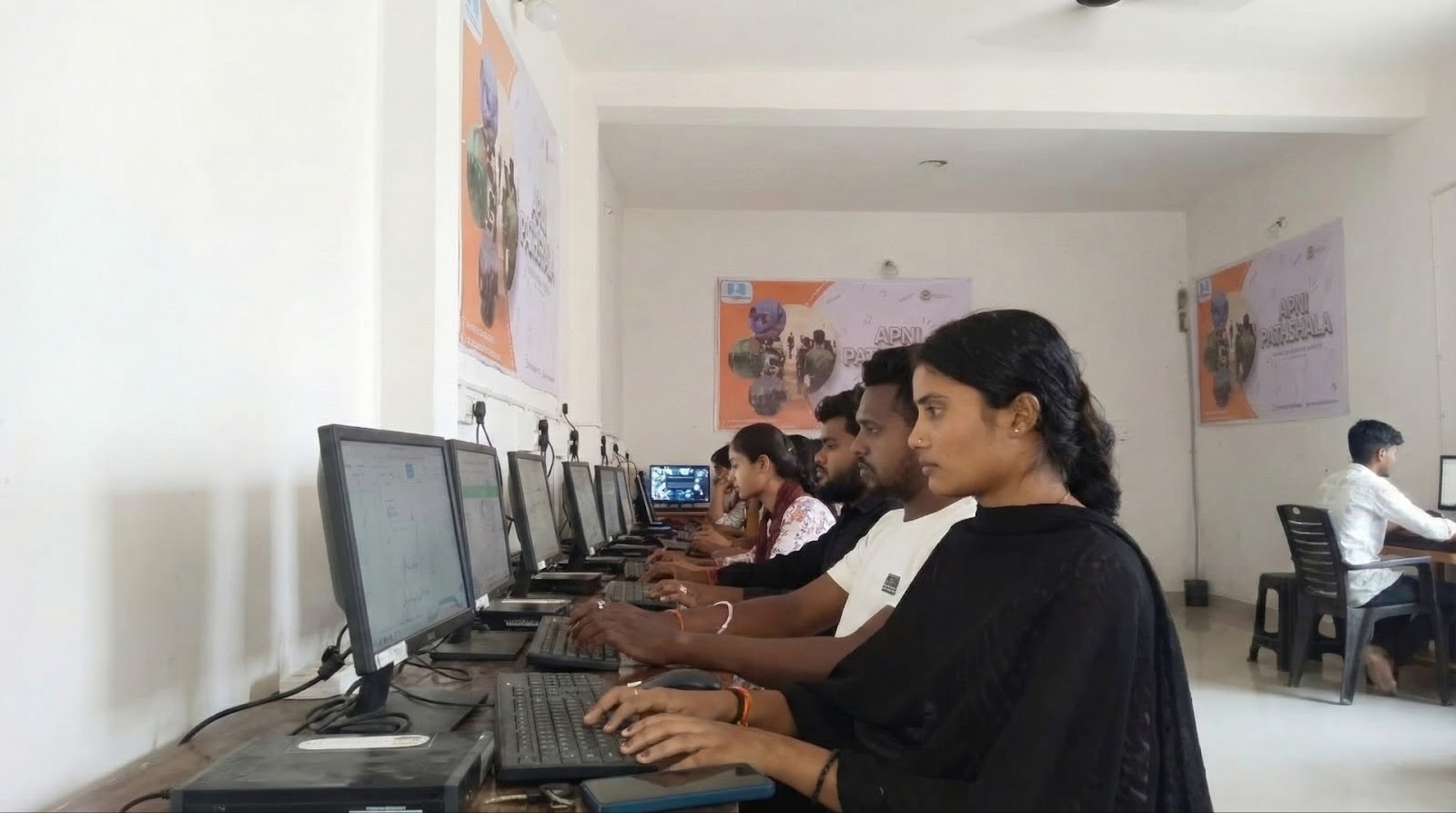
The value of having a computer before college goes beyond the device itself. It is about the months and years of practice that come with it. A student who has spent their last two years of school researching on a computer, writing essays, managing files, and learning to troubleshoot basic issues arrives at college with a kind of quiet confidence that is hard to put a number on but very easy to see.
Apna PC ensures that students in families that could not otherwise afford a computer get that practice time. They learn how to type without looking at the keyboard. They learn how to save work properly, organise folders, and recover from small disasters. They learn which tools to use for which tasks. None of this is taught explicitly but all of it is absorbed through regular use. This is the heart of what we describe in our post about how early digital exposure shapes a student’s future — the habits formed before college define how ready students really are.
By the time they sit down in a college computer lab or work on a group project, they are not learning the basics. They are already applying them.
Practical Skills That Colleges Expect Students to Have
Most colleges do not teach you how to use a word processor or create a spreadsheet. They assume you already know. The same goes for managing email professionally, creating slide presentations, and navigating learning management systems that many institutions now use for course materials and submissions.
Students who have grown up with a computer at home handle these expectations naturally. Students encountering these tools for the first time at college spend the first semester just catching up.
Apna PC closes that gap proactively. By getting computers into homes before students reach college, it ensures they have enough time to develop practical digital skills, not just awareness of them. The difference between knowing a tool exists and being genuinely comfortable with it is practice, and practice requires access.
Supporting the Whole College Journey
College is not just about academics. It is also about discovering interests, exploring career paths, building a network, and starting to build a portfolio of work. All of these activities are increasingly digital.
Students who have computers can explore online courses in subjects that interest them. They can build early projects in design, coding, writing, or data analysis. They can connect with internship opportunities, study communities, and resources that simply are not available to someone working only from a phone with limited storage and a small screen. Our article on 7 powerful things students can do with a PC beyond homework shows just how much a computer opens up for a motivated student.
Apna PC is not just helping students survive college. It is helping them use college as the launchpad it is supposed to be.
Conclusion
Preparing for college means more than studying for entrance exams. It means arriving with the tools, skills, and confidence to compete on equal footing with peers who have had every advantage. NCERT’s educational frameworks increasingly emphasise digital competency as a foundational outcome, reflecting just how central technology has become to academic success. Apna PC is making that equality a little more real for students who have the drive but needed one more door opened.
If you know a student heading to college who does not have a computer, Apna PC is worth knowing about.