
For decades, education has been something done to students. It’s time to flip the script. Real learning begins when students take ownership, ask questions, build skills, and learn because they want to not because they’re told to. Below are the most important questions students and parents ask when they begin the journey toward becoming independent, self-directed, lifelong learners.
Q1. What is the biggest difference between traditional education and learner-centered education?
Traditional education is teacher-directed. The teacher talks, students listen, memorize, and reproduce answers in exams. The focus is on content, theory, and facts.
Learner-centered education flips this. Students actively engage, ask questions, build skills, and apply knowledge. The focus shifts to process, practice, and problem-solving.
In simple terms:
Traditional schooling teaches you what to think.
Learner-centered education teaches you how to think.
And in the real world, how you think matters far more than what you remember.
Q2. Why is memorizing facts no longer enough?
Because Google exists. And AI exists. The world doesn’t reward people who can recall textbook paragraphs. It rewards those who can solve problems, think critically, and create value.
Memorization may help you pass exams. But skills help you succeed in life.
Students who focus only on facts often struggle when faced with real-world challenges because life doesn’t ask textbook questions. Life asks messy, complex problems.
Q3. What does it mean to become a self-directed learner?
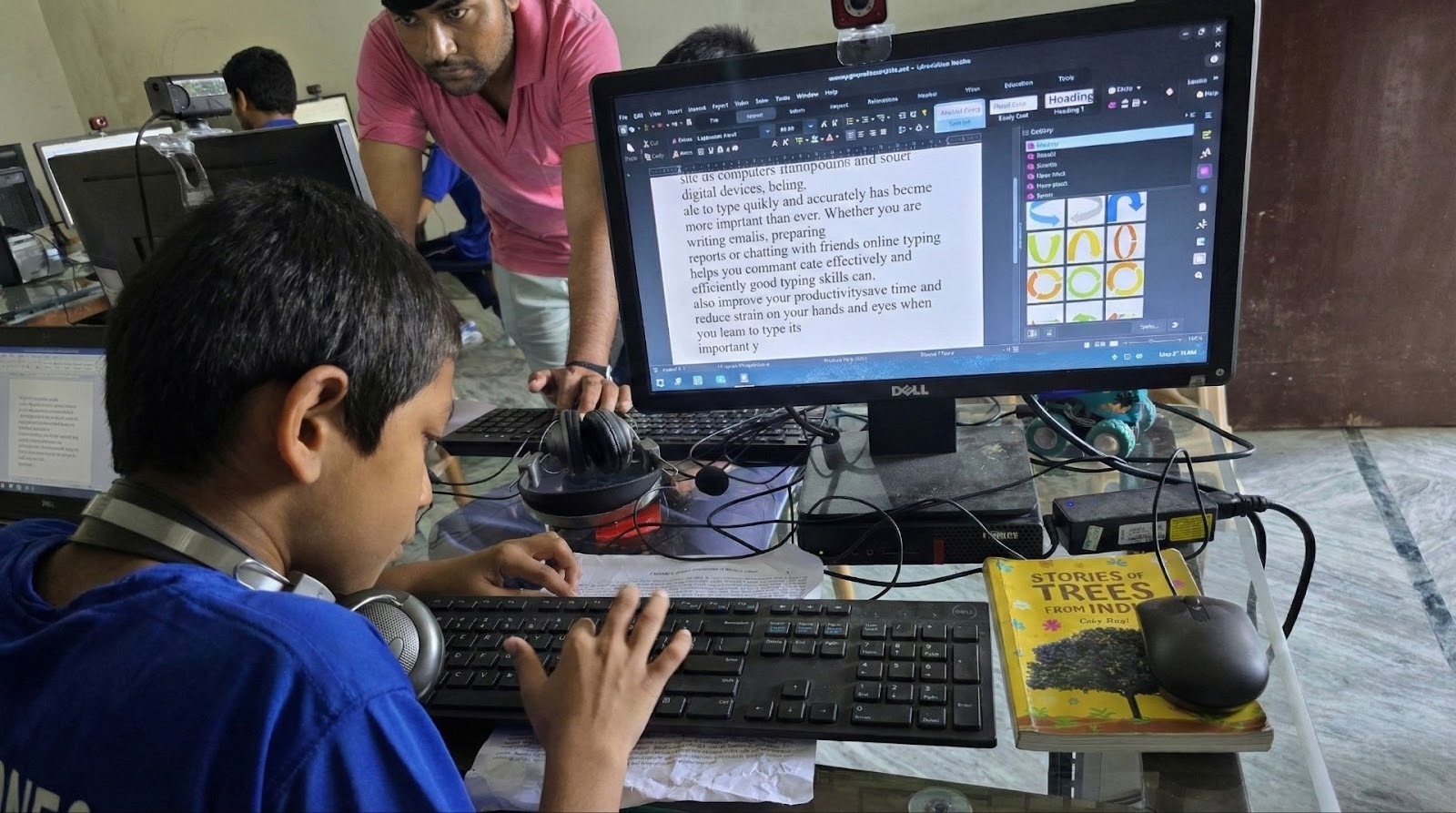
A self-directed learner takes responsibility for their own learning. Instead of waiting to be taught, they:
- Ask questions
- Explore topics deeply
- Learn by doing
- Build projects
- Reflect and improve
- Seek feedback
- Learn continuously
They don’t learn just for school exams. They learn for life.
And here’s the secret: Once students discover the joy of learning independently, they never go back to passive learning.
Q4. Is teacher-directed education completely wrong?
No. Foundations matter. Basic literacy, numeracy, and core concepts are important. But staying stuck in teacher-directed mode forever is harmful.
Education must evolve from:
- Teacher → Facilitator
- Lectures → Exploration
- Theory → Practice
- Curriculum → Projects
- One-size-fits-all → Personalized learning
The goal is not to eliminate teachers. The goal is to shift control gradually to the learner.
Q5. Why are projects more powerful than textbooks?
Because projects force students to apply knowledge.
Textbooks tell you about swimming.
Projects throw you into the water.
When students work on projects, they:
- Connect ideas
- Solve real problems
- Learn persistence
- Build confidence
- Create tangible outcomes
Projects transform knowledge into usable intelligence.
Q6. What is the role of curiosity in real learning?
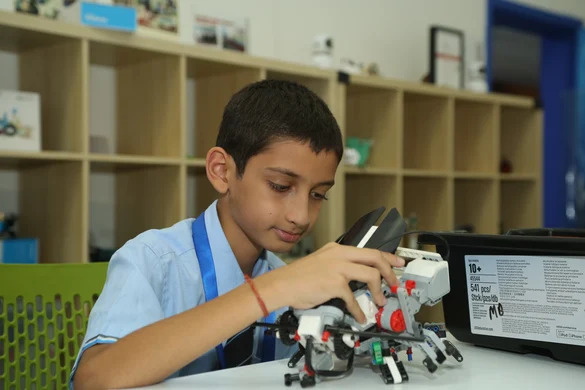
Curiosity is the engine of learning.
Traditional schooling often kills curiosity by rewarding correct answers rather than good questions. But in learner-centered education, questions matter more than answers.
Curious students:
- Explore beyond the syllabus
- Learn faster
- Retain longer
- Innovate naturally
The moment a student becomes curious, learning stops feeling like work.
Q7. Why is personalized learning important?
Every student is different:
- Different pace
- Different interests
- Different strengths
- Different goals
Traditional classrooms treat everyone the same. But real learning is personal.
When students learn at their own pace:
- Fast learners accelerate
- Slow learners gain clarity
- Confidence improves
- Stress reduces
- Understanding deepens
Personalization turns education from a factory into a growth journey.
Q8. What is the difference between learning for school and learning for life?
Learning for school is about:
- Passing exams
- Getting marks
- Completing syllabus
- Temporary memory
Learning for life is about:
- Building skills
- Solving problems
- Thinking independently
- Adapting continuously
Marks expire. Skills compound.
The world doesn’t care what you scored in Class 10. It cares what you can do.
Q9. Why is collaboration more important than competition?
Traditional education promotes competition rank, marks and comparison. But the real world runs on collaboration.
Innovation happens when people:
- Share ideas
- Work together
- Learn from each other
- Build collectively
Self-directed learners compete with themselves, not others. They focus on growth, not comparison.
Q10. How does technology enable self-directed learning?
Technology removes dependency on teachers and classrooms. Today, students can:
- Learn anything online
- Access global knowledge
- Use AI tutors
- Build digital projects
- Learn anytime, anywhere
Learning is no longer time-slotted. It is on-demand.
This is the biggest shift in education history from information scarcity to information abundance.
Q11. How can students start becoming independent learners today?
Start small. But start now.
- Ask one question daily beyond the textbook
- Learn one concept deeply, not superficially
- Build one small project every month
- Reflect: What did I learn? What confused me?
- Teach someone else the best way to learn
- Use technology intelligently
- Stop studying only for exams
Independence in learning is built through habits, not lectures.
Q12. What is the ultimate goal of education?
Not marks. Not degrees. Not certificates.
The real goal of education is to help students become:
- Thinkers
- Problem-solvers
- Creators
- Adaptable learners
- Confident individuals
- Lifelong learners
Because the future belongs to those who know how to learn, unlearn, and relearn.
Final Thought
Education is not about filling a student with information. It is about igniting a mind.
When students gain autonomy and agency:
- Fear disappears
- Curiosity rises
- Confidence grows
- Learning becomes joyful
- And education finally serves its true purpose
The best students are not those who score the highest.
They are those who never stop learning.