

Education in the modern world goes beyond textbooks and classrooms. Digital skills have become a basic requirement for learning, communication, and career growth. From online assignments to research, presentations, and skill development, computers play a crucial role in today’s education system. However, a large number of students still struggle to access basic digital tools.
This digital gap creates inequality in learning opportunities. Apna PC is an initiative that aims to reduce this gap by making computer access affordable, shared, and inclusive.
Apna PC is built on a simple idea: every learner deserves the opportunity to use technology for education, regardless of financial background. Instead of depending on personal devices, Apna PC creates shared computer spaces where students can learn, practice, and grow in a structured and supportive environment.
The Digital Gap in Education
Across India, many students face challenges in accessing digital education. While schools and institutions are rapidly adopting technology, not all learners are equally prepared. Lack of computers, limited internet access, and low digital awareness often prevent students from benefiting fully from modern education systems.
Students without computer access often struggle with:
- Attending online or blended learning classes
- Completing digital assignments and projects
- Developing basic computer literacy
- Competing equally with digitally skilled peers
This gap affects academic performance and long-term career opportunities. Apna PC addresses this issue by offering a practical and sustainable solution that focuses on shared access instead of ownership.
Understanding the Apna PC Concept
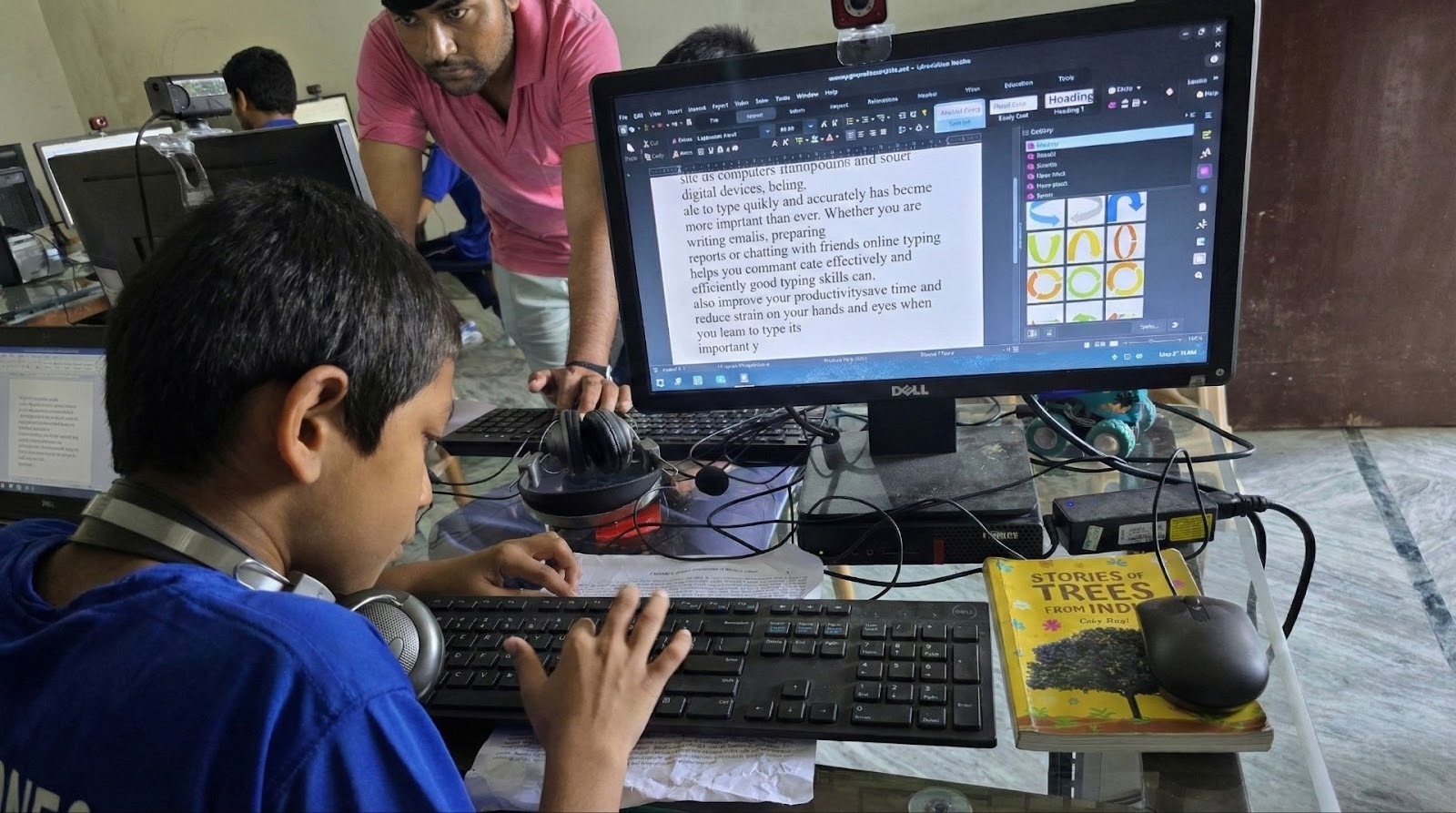
Apna PC is not just about installing computers in a room. It is a learning-driven model designed to maximize usage, encourage collaboration, and promote responsible digital habits. Through shared systems, multiple learners can benefit from limited resources, making digital education more accessible and cost-effective.
The initiative focuses on:
- Shared computer access for students
- Structured usage for educational purposes
- Encouraging hands-on learning
- Supporting both learners and educators
By focusing on shared learning, Apna PC ensures that technology reaches more people without increasing financial pressure on individuals or institutions.
How Apna PC Supports Students
For students, Apna PC opens doors to digital learning opportunities that were previously out of reach. Regular exposure to computers helps students build confidence and familiarity with technology. They learn not only how to use a computer but also how to use it effectively for education.
Through Apna PC, students can:
- Learn basic computer operations
- Access educational websites and online resources
- Complete school assignments and projects
- Improve typing, research, and presentation skills
This practical exposure helps students become independent learners and prepares them for higher education and skill-based careers.
Encouraging Skill-Based Learning
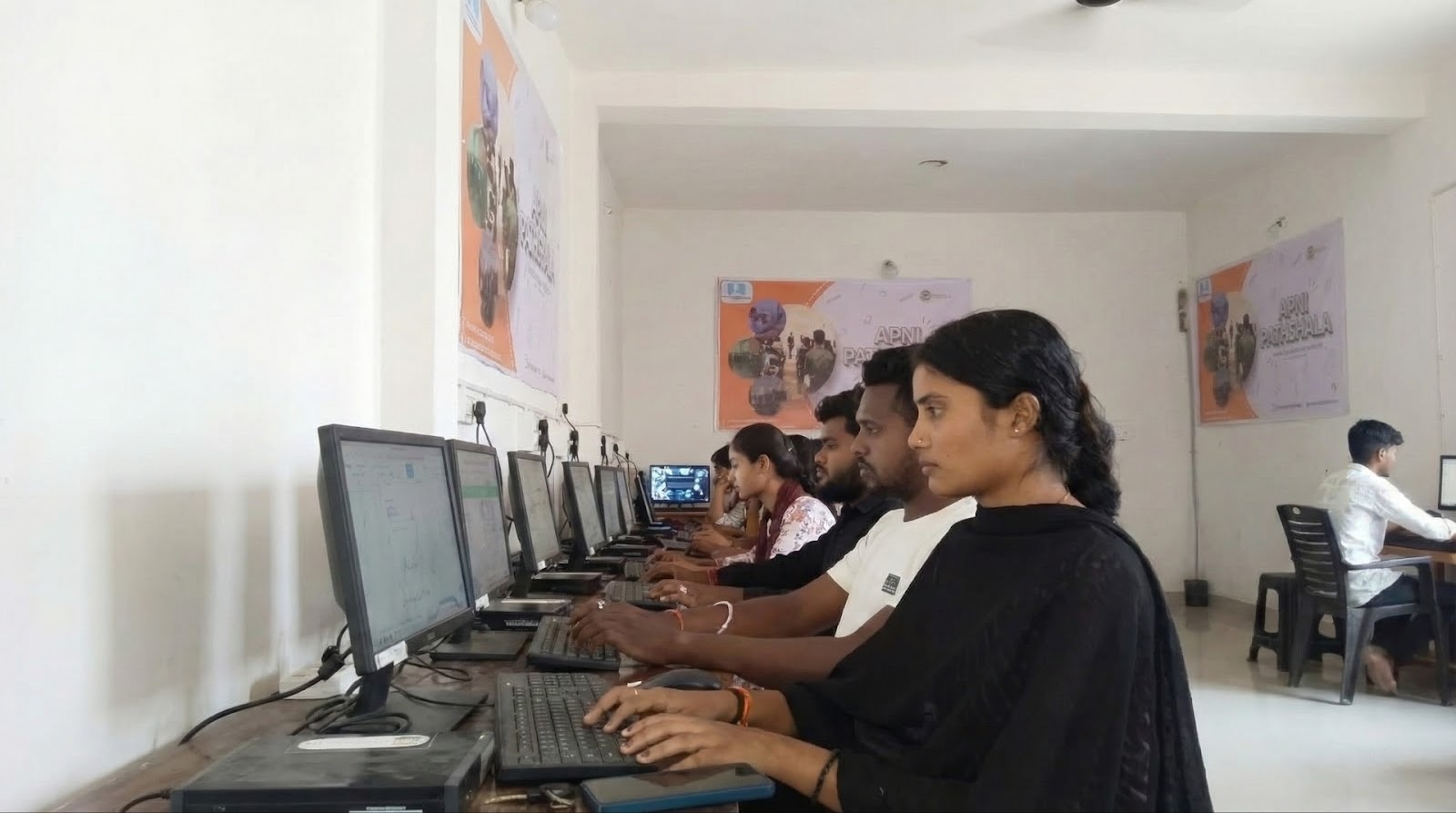
Education today is increasingly focused on skills rather than memorization. Apna PC supports skill-based learning by providing a platform where students can practice and apply what they learn. From digital literacy to problem-solving, students gain skills that are essential for future success.
Skill development through Apna PC includes:
- Digital communication and online collaboration
- Basic technical understanding
- Creative learning using digital tools
- Preparing for technology-driven careers
These skills not only improve academic performance but also increase employability in the long run.
Supporting Educators with Digital Tools
Teachers and educators are at the center of effective learning. However, many educators face limitations due to lack of access to digital tools. Apna PC supports educators by enabling them to integrate technology into their teaching methods.
With Apna PC, educators can:
- Use digital content to explain concepts more clearly
- Access online teaching resources
- Prepare digital lesson plans and presentations
- Create interactive and engaging learning sessions
This support helps teachers enhance their teaching quality and adapt to modern education standards.
Strengthening Community Learning Spaces
Apna PC also plays a significant role in community-based education. Shared computer spaces encourage collective learning and collaboration. Students learn not only from instructors but also from each other, creating a positive learning culture.
Community learning through Apna PC:
- Promotes equal access to education
- Encourages teamwork and peer learning
- Builds a sense of shared responsibility
- Makes learning accessible at the local level
These community spaces become centers of growth, innovation, and digital awareness.
Building Digital Confidence and Responsibility
Many learners hesitate to use technology due to fear or lack of exposure. Apna PC helps overcome this barrier by offering regular and guided access to computers. Over time, students become comfortable and confident in using digital tools.
At the same time, Apna PC promotes responsible usage. Learners are guided to use technology for education, research, and skill development. This balanced approach ensures that students develop healthy and productive digital habits.