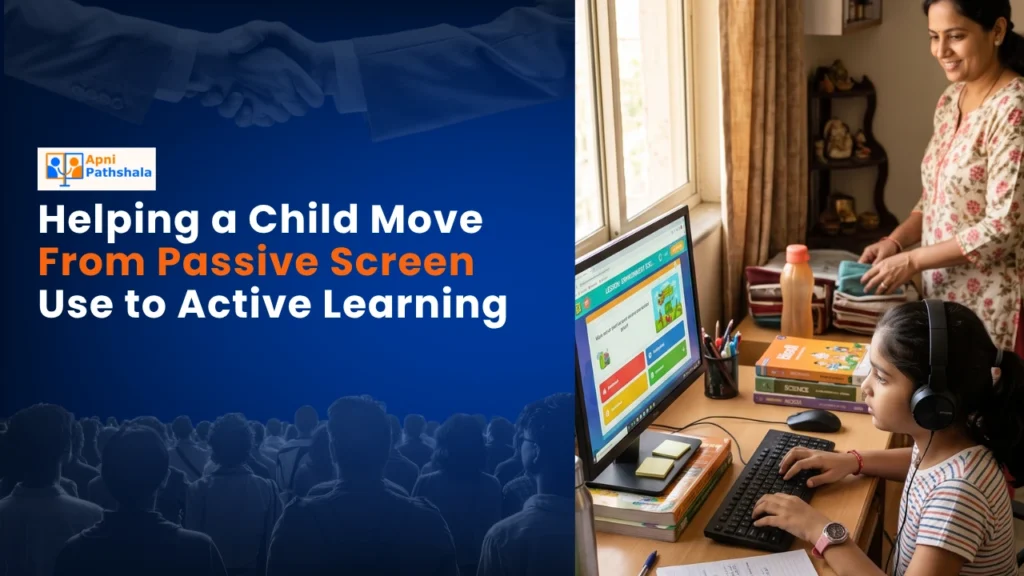
Ravi’s Screen Time Problem
Ravi is 9 years old. His mother, Priya, lives in Indore. Every afternoon after school, Ravi picks up his mother’s phone and scrolls through YouTube videos for two hours straight. He watches cartoons, gaming clips, and random reels. His eyes glaze over. He’s not doing anything productive. He’s just consuming.
Priya wants to shift Ravi from passive screen use to active learning, but she doesn’t know where to start. She works from home and needs Ravi occupied. Most of her friends in Tier 2 cities face the same problem. Their kids are glued to screens, but not in ways that build skills or knowledge. This is the reality for millions of Indian parents right now.
The difference between passive screen use and active learning is huge. When Ravi watches videos mindlessly, his brain is switched off. When he engages with educational content, writes code, or creates projects on a computer, his brain is switched on. Your child is doing something, not just watching something.
Why Passive Screen Use Hurts Your Child
Passive screen time trains your child’s brain to be a receiver rather than a creator. Your child becomes dependent on entertainment instead of developing curiosity. Studies show that excessive passive screen use can hurt focus, sleep, and even academic performance.
In Tier 2 and Tier 3 cities, parents often don’t have access to quality educational alternatives. Traditional tuition centres are expensive. Good learning software costs money. So kids end up with free YouTube, which is designed to be addictive rather than educational. Your child’s learning habits get worse, not better.
Moving Toward Active Learning
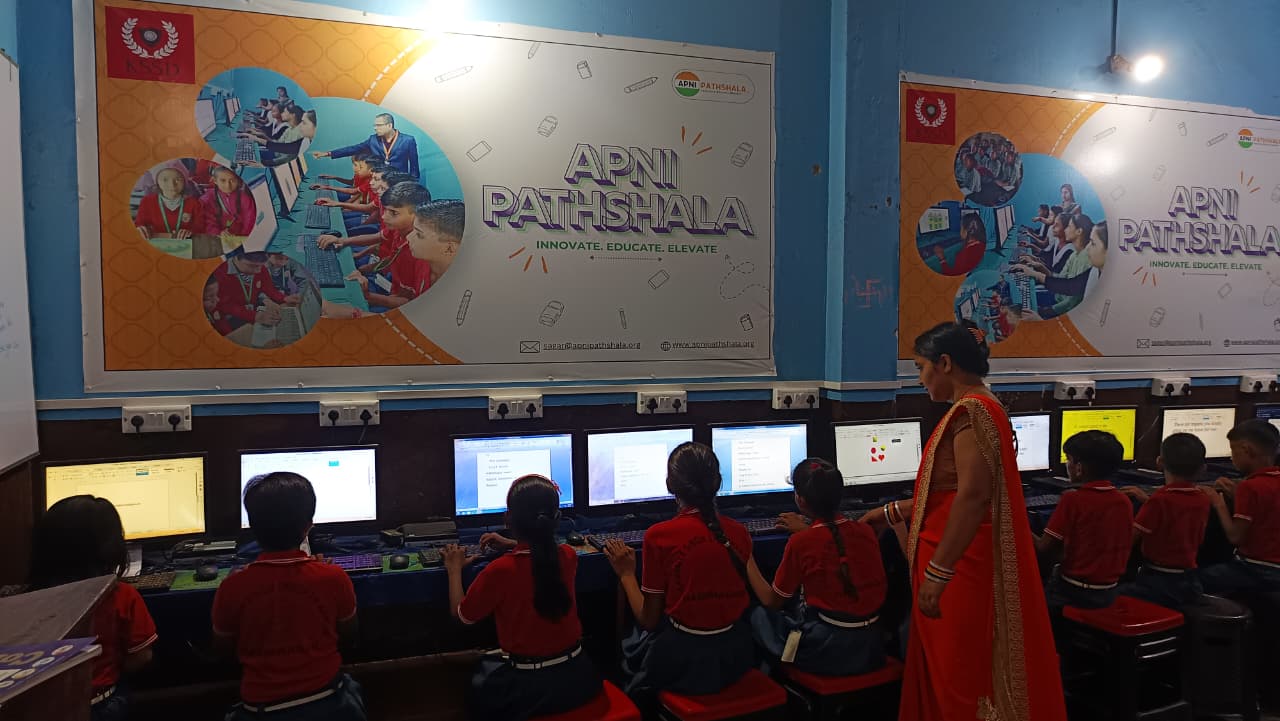
Active learning is different. It means your child is engaged, thinking, solving problems, and creating things. When your child codes in Scratch, they’re not passive. When they use digital tools to make presentations, they’re active. When they learn through interactive platforms like the DIKSHA digital learning platform, they’re building real skills.
The shift from passive to active doesn’t happen overnight. It requires three things: the right device, the right software, and your involvement as a parent.
Active Learning Starts With the Right Device
Most Indian homes have a smartphone or an old laptop. Smartphones are designed for consumption. Laptops often run Windows with bloatware that confuses kids and distracts them. Your child needs a device built for learning, not just entertainment.
Apna PC is an educational computer designed specifically for Indian students. It costs Rs.30,000 (shipping and GST excluded) and comes pre-loaded with everything your child needs:
- Zorin OS: A clean, distraction-free operating system that looks modern but keeps your child focused
- Scratch: A visual programming language where kids create games, animations, and interactive stories
- LibreOffice: Tools for writing, spreadsheets, and presentations that teach real productivity skills
- Apni Prerna: Student monitoring software that lets you see what your child is doing and set healthy boundaries
The device has 8GB RAM and 128GB SSD, which is enough for smooth performance without lag. No unnecessary programs. No ads. Just tools that encourage hands-on engagement.
Building Better Learning Habits
When Priya set up an Apna PC for Ravi, things changed. On the first day, Ravi was sceptical. But when he discovered Scratch and made his first interactive game in 30 minutes, he was hooked. He wasn’t consuming. He was creating.
Within two weeks, Ravi’s screen time didn’t decrease, but its quality changed completely. He was learning coding logic, problem-solving, and patience. His mother could monitor his activity through Apni Prerna. She set time limits. She encouraged him to work on projects rather than browse.
This is what the shift looks like. Your child is still using a screen, but they’re building skills rather than wasting time. Understanding
how learning works helps you support this shift.
Your Role as a Parent
You can’t just hand your child a device and hope they learn. You need to be involved. Ask your child what they’re building. Challenge them to create something new. Celebrate their projects. Set realistic screen time limits and stick to them.
Also, teach your child about digital safety early. When your child uses a computer for learning, they need to understand how to use the internet safely. Learn how to teach
internet safety so your child can explore confidently and responsibly.
Start Small, Build Momentum
You don’t need to overhaul everything today. Start by replacing one hour of passive screen use with one project on Apna PC. Maybe your child learns to code a simple game. Maybe they create a digital story. Maybe they build a spreadsheet to track their favourite cricket players’ scores.
The goal isn’t to eliminate screens. It’s to transform how your child uses them. Active learning with the right tools can happen right now, in your home, in your city, at a price that makes sense for your family.
Ravi’s mother made the change. Your child can too. Visit
apnapc.com to learn more.