


Rajesh’s Daughter Couldn’t Keep Up in Class
Rajesh Kumar sits in his small electronics shop in Indore, watching his daughter Priya struggle with her school assignments. She’s in class 8, and her teachers keep mentioning that she needs “computer skills” to do well. But Rajesh never learned computers himself. He doesn’t know where to start, what to buy, or how much it’ll cost. His worry is real, and thousands of parents in Tier 2 and Tier 3 cities across India share it.
Computer education isn’t a luxury anymore. It’s become as essential as learning math or English. Yet many families like Rajesh’s feel left behind because they dont have access to the right tools or guidance. This gap between students who have computer skills and those who dont is widening every year.
Why Computer Education Matters Right Now
Your child’s future depends on digital skills. Whether it’s coding, typing, using office software, or searching for information online, these abilities shape how well they perform in school and later in life. The government’s Digital India initiative has pushed for technology access in schools, but many students still lack hands-on experience at home.
Computer education teaches your child more than how to click buttons. It builds problem-solving skills, logical thinking, and confidence. When a student learns to use a computer, they learn to break down problems, follow steps, and find solutions. These are life skills that help in every subject and every career path.
- Better academic performance: Students with computer skills complete assignments faster and present their work more professionally.
- Competitive advantage: In job interviews and college applications, digital literacy sets your child apart.
- Self-learning ability: With a computer, your child can access online tutorials, educational videos, and resources that teachers can’t always provide.
- Confidence and independence: First-time learners gain confidence when they master new digital tasks on their own.
According to research on education in India, students who have regular computer access at home perform significantly better in school. The problem is that many families in smaller cities can’t afford expensive computers or dont know which ones are suitable for students.
The Real Barrier: Affordability and Accessibility
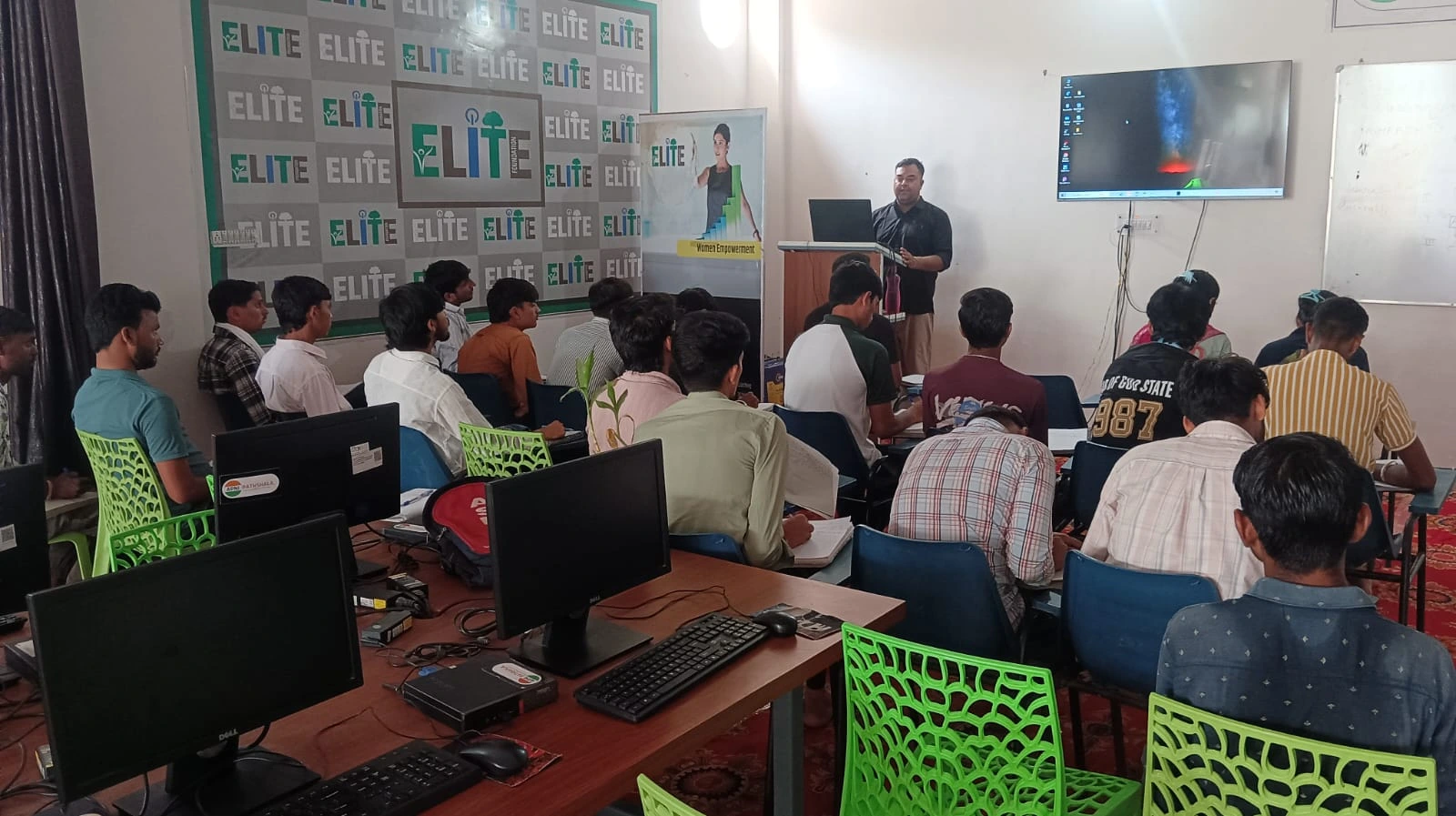
Most computers in the market cost between 50,000 and 1,50,000 rupees. For a middle-class family in Indore, Nagpur, or Lucknow, thats a huge investment. You might also worry about whether your child will actually use it for studies or just for games. These concerns keep many parents from making the purchase.
Thats where affordable, purpose-built solutions come in. Apna PC is designed specifically for students like Priya. At Rs.30,000 (shipping and GST excluded), it’s built for educational needs without the unnecessary features that drive up the cost. It comes pre-loaded with Zorin OS, LibreOffice for office work, Scratch for learning coding, and Apni Prerna for student monitoring, so you can track your child’s learning progress.
Your child gets 8GB RAM and 128GB SSD storage, which is more than enough for schoolwork, projects, and learning new skills. The system is reliable, easy for first-time learners to use, and built to last through their school years.
Getting Your Child Started With Digital Skills
If you’re new to computers yourself, you might feel unsure about how to help your child. But you dont need to be a tech expert. Many resources and guides are available specifically for first-time learners. Your child can learn through simple, step-by-step tutorials that come with the system.
Start with basic typing skills and simple software like word processors. Then move to research skills, presentation tools, and coding basics. Scratch, which comes pre-loaded on Apna PC, teaches coding through fun, visual blocks that kids can drag and drop. It’s perfect for students who are just beginning their digital journey.
A dedicated home computer also means your child isn’t dependent on school computer labs or internet cafes. Consistent practice at home builds skills faster. Whether it’s completing homework, learning new subjects, or exploring their interests, having local computer access makes a real difference.
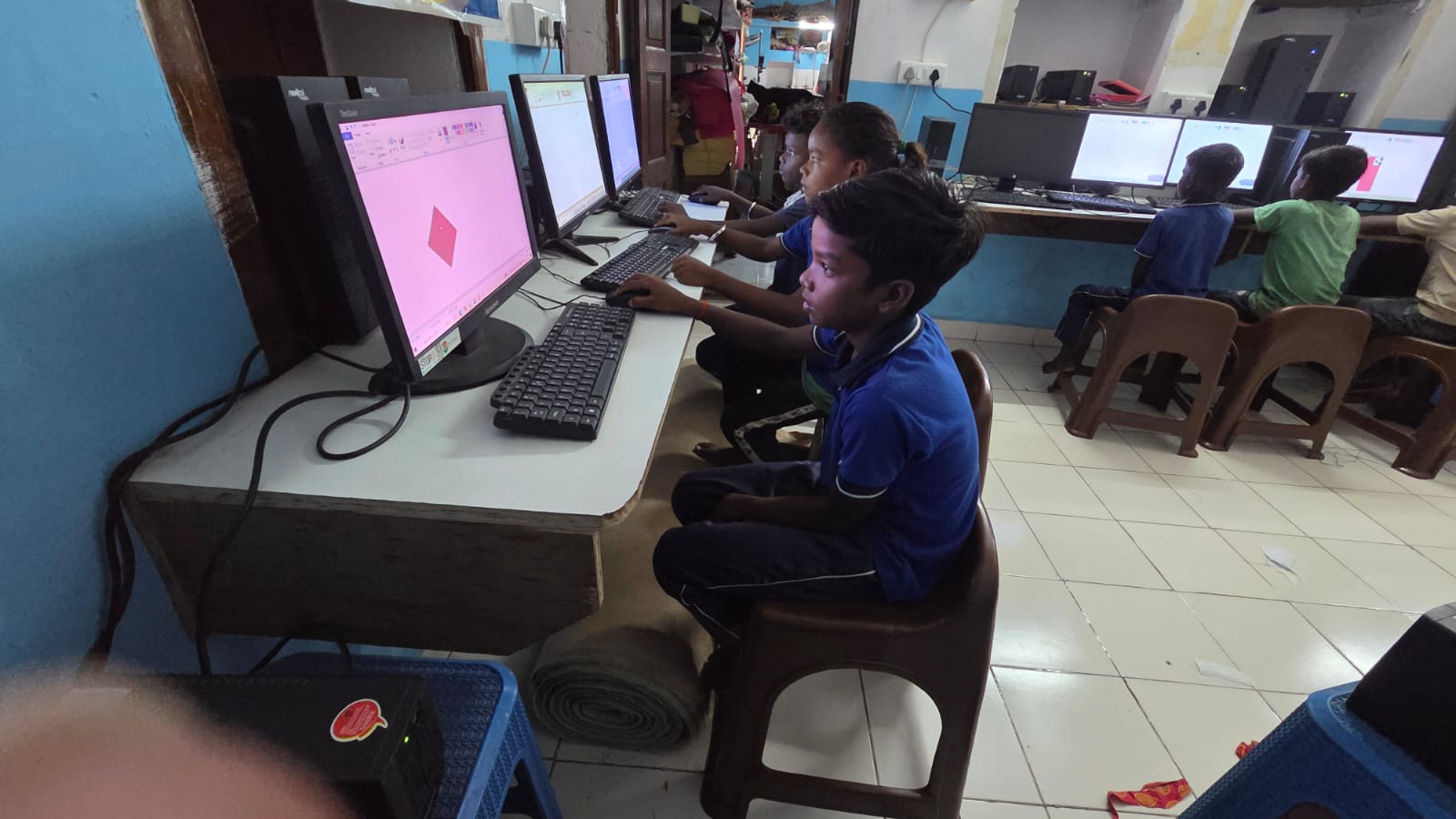
Why Apna PC Is Right for Your Family
Apna PC isn’t just affordable. It’s built with Indian students in mind. The pre-installed software covers what your child needs for school projects, coding basics, and everyday digital tasks. Apni Prerna monitoring tool lets you see what your child is learning and how much time they’re spending on studies versus other activities.
The system runs on Zorin OS, which is user-friendly and secure. Your child won’t face the slow performance or virus issues that sometimes plague cheaper computers. LibreOffice covers all office tasks that schools require, from writing essays to making presentations. And Scratch opens the door to coding, a skill thats increasingly important in every field.
You’re not just buying a computer. You’re investing in your child’s future, removing barriers to education, and giving them tools to compete confidently in a digital world.
Your child deserves the same opportunities as students in big cities with access to technology. Apna PC makes that possible without breaking your budget. Visit apnapc.com to learn more.