Priya’s Struggle: When Online Classes Became a Battle
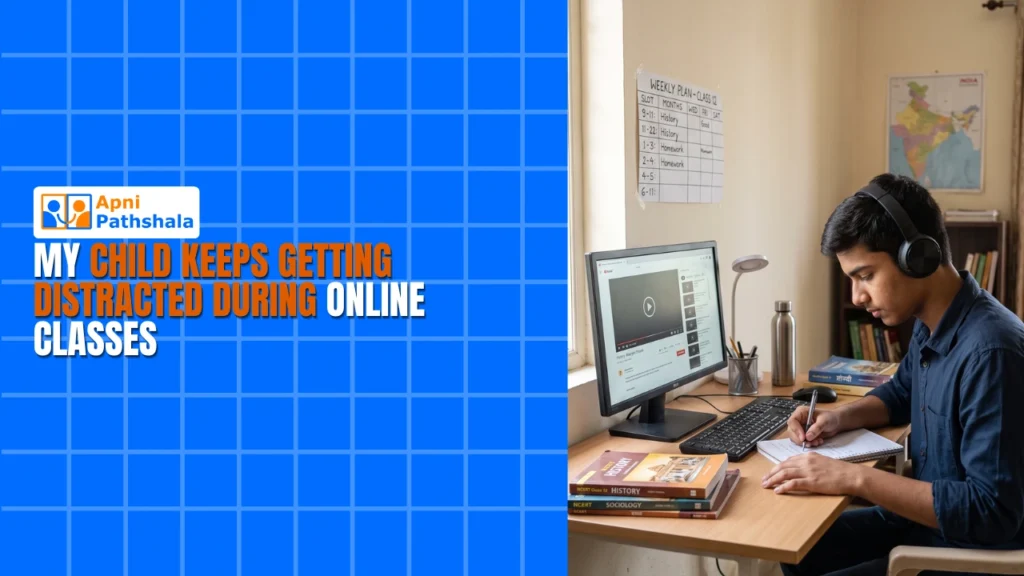
Priya sat in her Ahmedabad apartment, watching her 9-year-old son Aditya squirm in his chair during his online math class. His eyes kept drifting to the YouTube tab open in another window. She’d close it, he’d open it again. By week three of the new school year, she was exhausted.
When schools shifted to digital learning, parents like Priya realised that a regular home computer wasn’t enough. Kids needed the right tools, the right setup, and honestly, the right kind of screen to stay focused. Priya’s old laptop had too many distractions built into it. Games, notifications, browser history, everything pulled Aditya away from his lessons. She needed a solution that’d help her son focus while still giving him access to quality education.
The Problem With Regular Computers for Learning
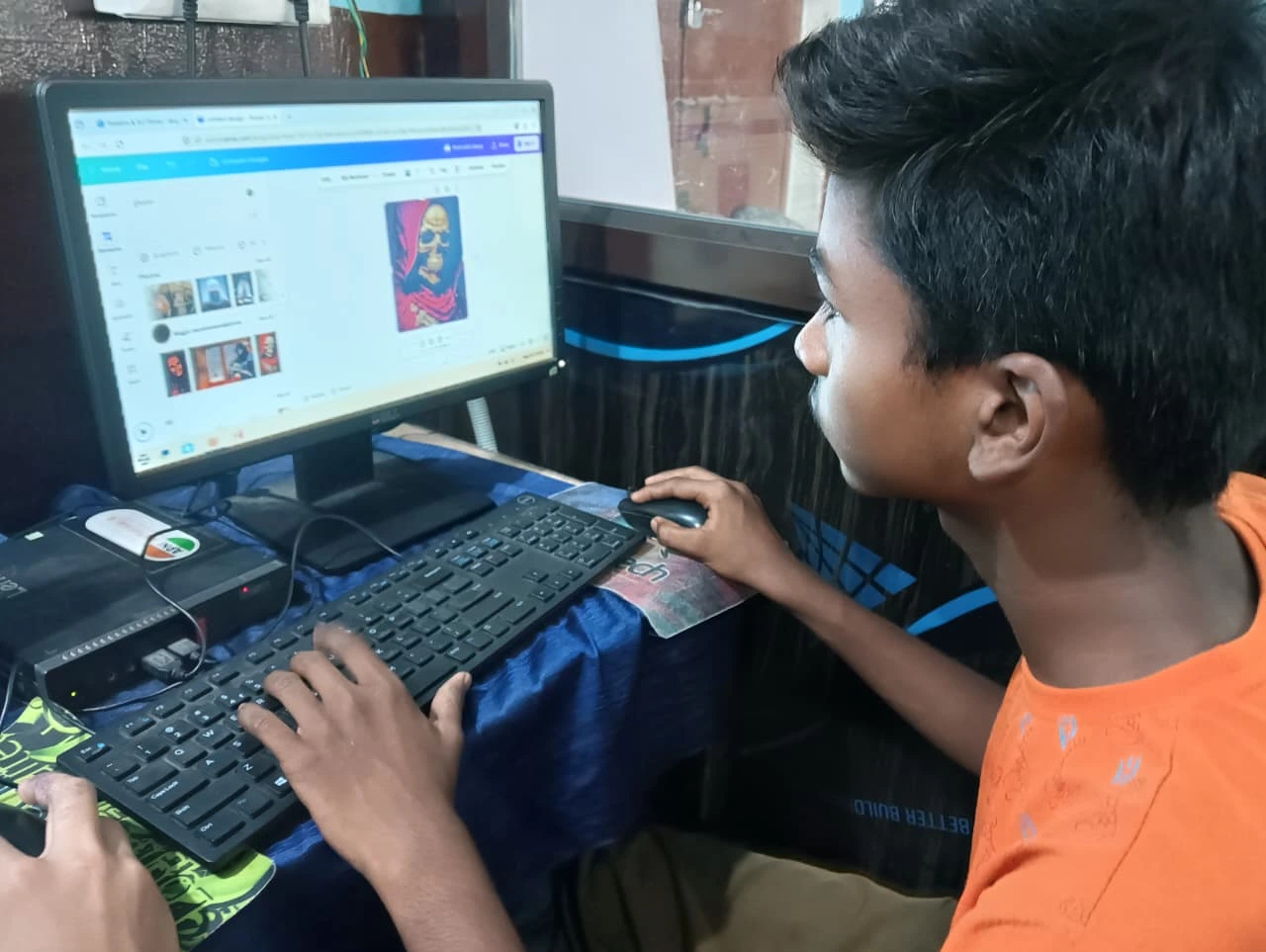
Here’s what most parents don’t realise: a computer built for general use isn’t built for learning. Your regular laptop or desktop comes loaded with entertainment options. Games, social media apps, streaming services- they’re all there, one click away. For kids, especially those between 7 and 14, this is like putting candy right next to their study desk.
Priya’s old computer had Windows 10, which meant constant updates, pop-ups, and yes, access to everything online. Aditya would start his online classes for students, and within five minutes, he’d have three other things open. The screen time check became a nightmare because she couldn’t even monitor what he was doing without physically sitting next to him.
Distractions are built into regular computers: Games, YouTube, and social media are just a click away.
No parental controls that actually work: Kids find ways around them
Wrong operating systems for learning: Windows and Mac prioritise general use, not education
Slow performance kills focus: Lag during classes frustrates both kids and parents.
That’s when Priya discovered something different. She was reading about Education in India and how digital learning was reshaping classrooms when she came across Apna PC. It wasn’t just another computer. It was designed specifically for her son’s needs.
What Makes a Learning Computer Different?
Apna PC isn’t your standard home learning computer. It comes with Zorin OS, an operating system built for simplicity and focus. There’s no bloatware, no games pre-installed, no distracting notifications. The 8GB RAM and 128GB SSD mean everything runs smoothly- no lag during video classes, no freezing when opening multiple educational apps.
But here’s what really caught Priya’s attention: it comes with Apni Prerna, a student-monitoring system built directly into the device. This isn’t about spying on your child. It’s about giving you real visibility into their screen time check and what they’re actually doing during study hours. You can see which apps they’re using, how much time they spend on each one, and gently guide them back to their lessons.
The software comes pre-loaded with LibreOffice for documents and presentations, and Scratch for coding. These are tools that actually support learning. No unnecessary extras. No distractions.
How Priya’s Life Changed
After setting up Apna PC in Aditya’s study corner, things shifted almost immediately. The screen time check became easier because the device itself discouraged distraction. When Aditya tried to wander off into YouTube, Apni Prerna would alert Priya. She could see exactly what he was doing and redirect him without nagging.
Within two weeks, his online classes for students felt different. He was actually focusing. His teachers noticed too; his participation improved, and his assignments were better. Priya realised that sometimes kids aren’t naturally lazy or unfocused. They’re just overwhelmed by too many options.
She also discovered the connection between device type and learning quality. When we talk about mobile vs computer learning, there’s a real difference. A proper computer gives you space to work, a bigger screen, a proper keyboard and mouse. Mobile learning is convenient but limited. For serious study, kids need a real machine.
Your Screen Time Check Doesn’t Have to Be a Battle
If you’re in an Ahmedabad apartment or any tier-2 or tier-3 city and struggling with your child’s focus during online classes, you’re not alone. Thousands of Indian parents are facing the same challenge. The good news? You don’t need to buy an expensive gaming laptop or a complicated setup.
What you need is a computer designed for learning. Apna PC costs Rs. 21,000 (excluding shipping and GST), which is reasonable for a device that’ll last for years and actually support your child’s education. It’s created by Apni Pathshala, an organisation that understands what Indian students actually need.
When you have a device that removes distractions rather than adding them, checking screen time becomes simple. Your child isn’t fighting temptation every five minutes. They’re in an environment where learning is the easiest option.
You can also explore resources like the DIKSHA digital learning platform to find quality educational content that works with your setup. Combined with a focused device, these platforms become truly powerful.
Building Better Digital Habits Starts With the Right Tools
Priya’s story isn’t unique, but her solution is becoming more common. Parents are realising that better digital habits don’t come from willpower alone. They come from smart choices about what devices you bring into your home.
Your child’s focus during online classes matters. Their screen time check matters. But more than anything, the right environment matters. When you remove distractions and provide the right tools, learning stops feeling like a struggle and starts feeling natural.
If you’re ready to change how your child learns, it’s time to think differently about your home learning computer. Visit apnapc.com to learn more.