

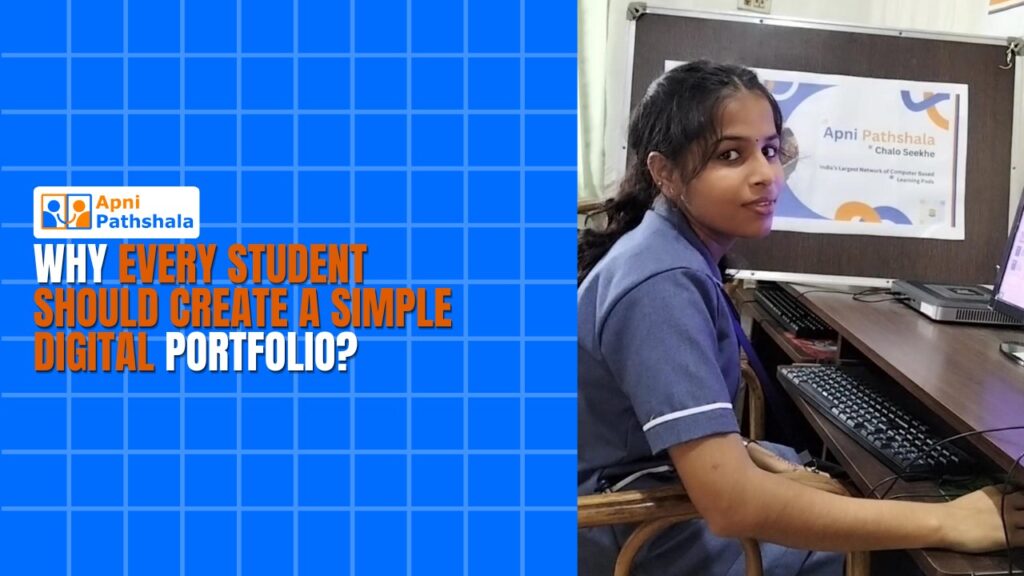
Rajesh’s Daughter Needed More Than Textbooks
Rajesh sat in his small shop in Indore, scrolling through his phone. His daughter Priya had just finished 10th grade with decent marks, but he worried about her future. When college applications came around, they asked for a “portfolio” of her work. Rajesh didn’t understand what that meant. His wife thought it was something only kids from Delhi or Mumbai needed. But Priya’s teacher explained: a digital portfolio students create shows their real skills, not just exam scores. That’s when Rajesh realised his daughter needed a computer at home. A digital portfolio isn’t fancy or complicated. It’s simply a collection of your best work, projects, and achievements stored online or on a device. For students like Priya, it’s becoming as important as a good report card.
Why Your Child Needs a Digital Portfolio Right Now
Schools in Tier-2 and Tier-3 cities are changing. Teachers now ask students to submit projects digitally, create presentations, and showcase their learning online. If your child doesn’t have experience building a digital portfolio, they’re already behind. Colleges and companies want to see what you’ve actually done, not just what marks you scored.
A portfolio shows your real skills. When you apply for college admissions or internships, you can share actual projects you’ve completed. Your art assignments, coding projects, research papers, and creative work all go into one place. This beats sending a list of marks any day.
It builds confidence in your child. Creating a portfolio means organizing your thoughts, selecting your best work, and presenting yourself professionally. These are life skills that no textbook teaches. Your child learns to take pride in their work and communicate their strengths clearly.
Employers and colleges actually look at portfolios. The Digital India initiative has pushed schools and companies to go digital. Your child’s portfolio might be the deciding factor in whether they are selected or rejected. It’s that important now.
What Should Be in Your Student’s Digital Portfolio
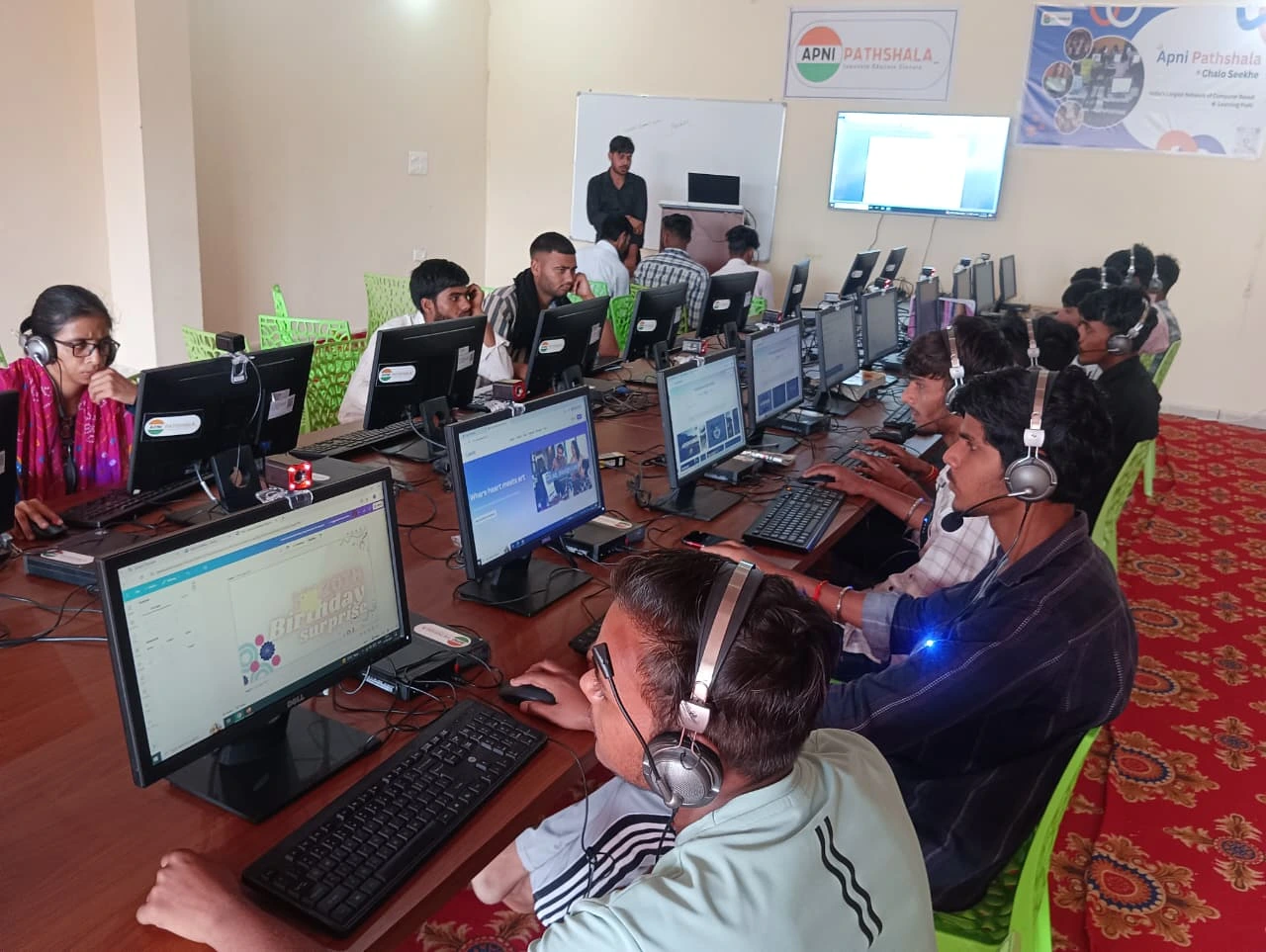
- School Projects: Science models, history presentations, math problem solutions. Photograph them or create digital versions.
- Creative Work: Drawings, poems, stories, videos, music compositions. Anything your child has created.
- Certificates: Sports achievements, competition wins, online course completions. Scan or photograph these.
- Academic Writing: Best essays, research papers, book reviews. These show thinking skills.
- Coding or Tech Projects: If your child learns programming, include small projects or games they’ve built.
- Volunteer Work: Community service, helping at local events. Document with photos and descriptions.
You don’t need hundreds of items. A strong portfolio has 10-15 pieces that truly represent your child’s abilities and interests. Quality matters far more than quantity.
How a Computer at Home Makes This Possible
Here’s the reality: your child can’t build a proper digital portfolio on a smartphone. They need a real computer. With a computer, your child can create presentations using LibreOffice, edit photos, learn basic coding with Scratch, and organize files properly. These aren’t luxuries anymore. They’re basic skills every student needs.
The Apna PC from Apni Pathshala is built exactly for this purpose. At Rs.21,000 (excluding shipping and GST), it’s affordable for families in smaller cities. It comes pre-loaded with everything your child needs: Zorin OS (an easy-to-use operating system), LibreOffice (for documents and presentations), and Scratch (for learning coding). The 8GB RAM and 128GB SSD mean your child can work on multiple projects without the computer slowing down.
Your child can also practice typing practice for students on this computer. Fast typing is essential now. Every school assignment requires typing, and your child’s speed directly affects their productivity. The Apna PC helps them build this skill naturally while working on their portfolio.
Beyond portfolios, the computer helps with better note-making with a computer. Your child can organize notes by subject, add images and diagrams, and never lose important information again. These digital notes become part of their portfolio too.
Starting Small: Your Child’s First Portfolio Steps
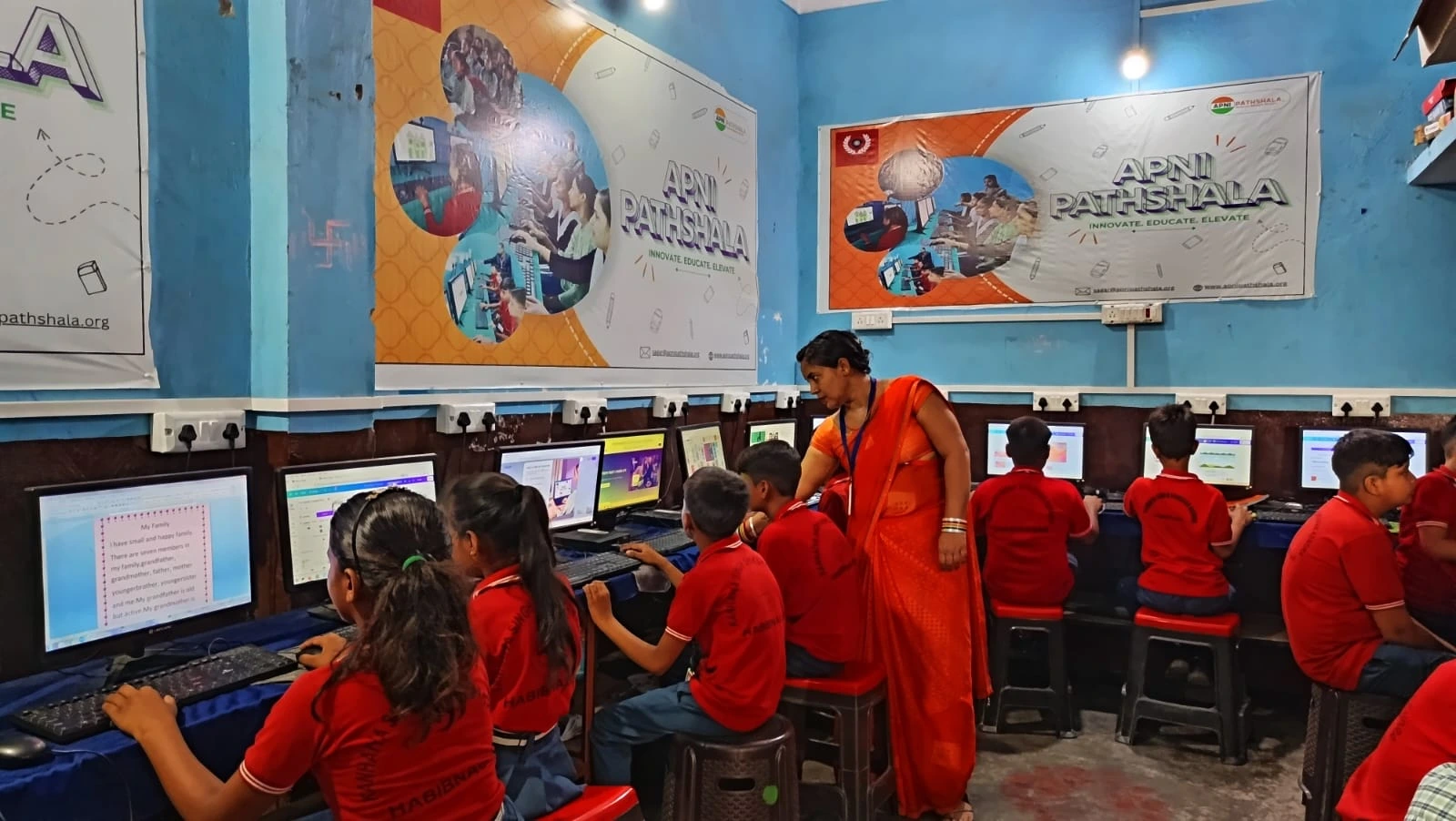
Don’t wait for your child to be in 12th grade. Start now, no matter what age they are. Even 8th or 9th graders can begin collecting their work. Here’s how you can help them start:
First, create a simple folder system on the computer. Make folders for each subject or interest area. Your child can store their best work here. Second, take photos of physical projects and artwork. A simple smartphone camera works fine. Third, help your child write short descriptions for each piece. What was the project about? What did they learn? Fourth, explore free tools like Google Sites or Canva to create a simple online portfolio. Your child doesn’t need to be a tech expert to do this.
The Digital India movement has made it clear: digital skills are now essential. Your child’s portfolio is their first step into this digital world.
Why This Matters for Your Child’s Future
Think about Priya again. By the time she applied for college, she had a portfolio showing 2 years of her best work. Her admission essay wasn’t just words. She could show actual projects, competitions she’d won, and skills she’d developed. She got selected to her first-choice college. Her parents were stunned at how much that portfolio mattered.
Your child’s digital portfolio students create today becomes their competitive advantage tomorrow. In a country where millions of students compete for limited seats, standing out matters. A portfolio does that. It tells your child’s unique story in a way that marks alone never can.
Start your child’s digital portfolio journey today with a proper computer at home. The investment in a device like Apna PC isn’t just about one portfolio. It’s about giving your child the tools to succeed in a digital world. Visit apnapc.com to learn more.