

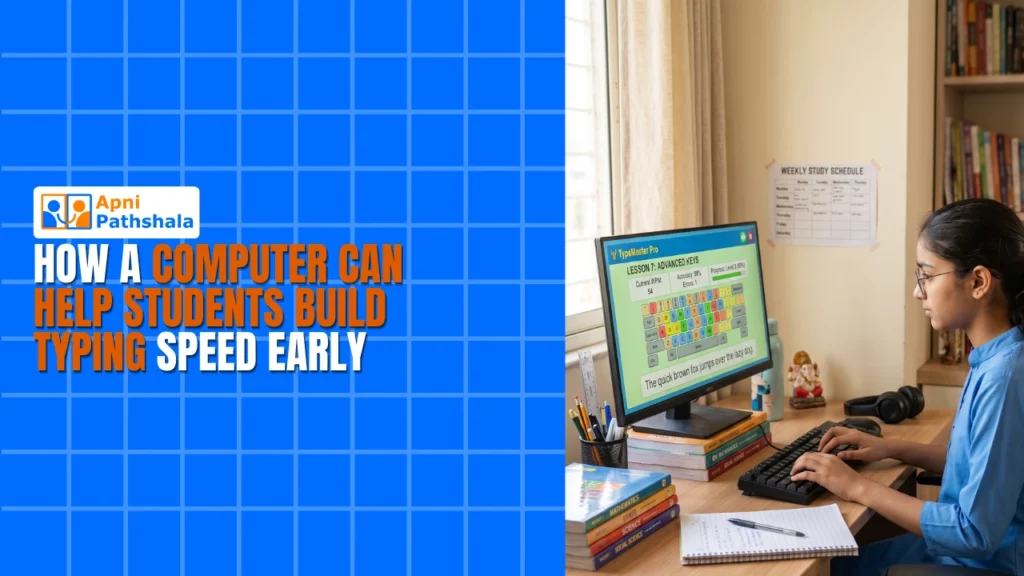
Ravi’s Story: From Slow Typing to School Star
Last year, Meera sat in her small living room in Indore, watching her son Ravi struggle with his computer class assignment. His fingers hovered awkwardly over the keyboard, hunting and pecking at keys like he was playing a guessing game. “Mom, this is taking forever,” he complained, his shoulders hunched in frustration. Meera realised that typing practice on a computer wasn’t just about finishing homework faster; it was about building a skill that would shape his entire academic future.
Ravi wasn’t alone. Thousands of students across Tier 2 and Tier 3 Indian cities face the same challenge: they’ve grown up with smartphones but never learned proper keyboard typing. When they finally sit down at a computer for school projects, online exams, or coding classes, they’re already behind. This gap in typing speed doesn’t just slow them down; it also affects their confidence, grades, and ability to participate in the digital world.
If your child is between 8 and 16 years old, building typing speed now can transform how they learn and work. Let’s explore why typing practice on a computer matters so much for students like yours.
Why Typing Speed Matters More Than You Think
Typing isn’t just a clerical skill anymore. It’s foundational to modern learning. When your child can type quickly and accurately, they can focus on what they’re thinking instead of struggling with the mechanics of writing.
Think about it this way: a student who types at 40 words per minute can complete an essay in half the time compared to someone typing at 20 words per minute. But it goes deeper than speed. Fast typing builds fluency; just as reading fluently helps you understand a story better, typing fluently helps your child express ideas more clearly.
Research shows that students who develop strong keyboard skills early on perform better on online exams, produce higher-quality work, and develop problem-solving skills more quickly. In India’s growing digital education landscape, typing practice on a computer is becoming as essential as handwriting once was.
- Faster homework completion: Your child spends less time fighting with the keyboard and more time thinking.
- Better grades in online assessments: When typing isn’t a barrier, your child can focus on content.
- Confidence in coding and tech classes: Typing speed directly impacts performance in programming and digital literacy courses.
- Preparation for competitive exams: Many entrance exams now include computer-based tests where typing speed matters.
Starting Typing Practice on a Computer Early
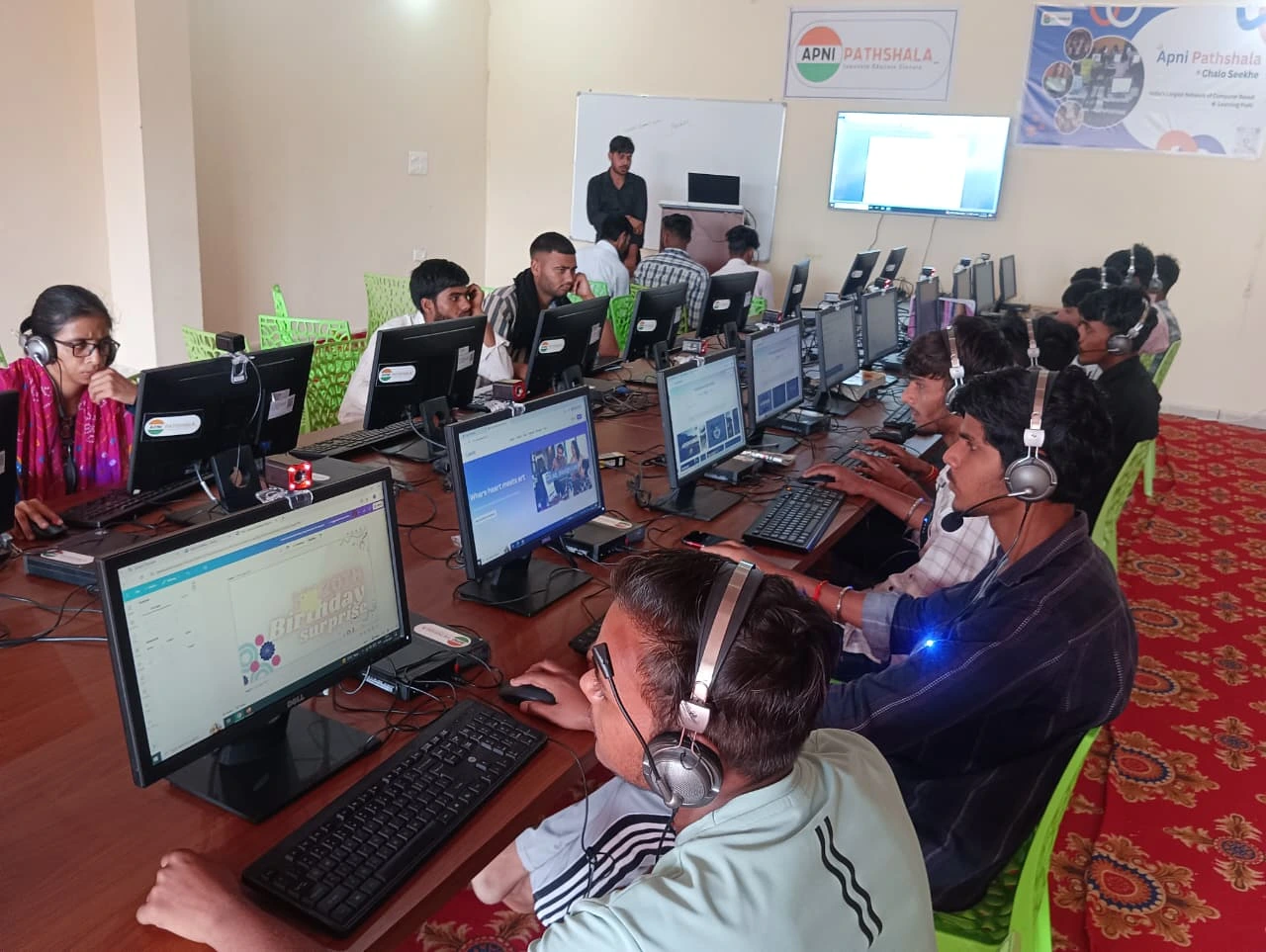
You might wonder: isn’t my child too young to worry about typing speed? The answer is no. Ages 8 to 16 are the perfect window for building this habit. Younger children’s brains are still forming neural pathways; they learn muscle memory faster and retain skills more naturally.
The good news is that typing practice doesn’t have to feel like practice. When you pair a quality computer with engaging keyboard activities, kids actually enjoy it. Games, educational software, and real projects make typing feel like play rather than work.
A best computer for homework gives your child the right environment to develop these skills without distractions. When your student has their own dedicated space and device, they’re more likely to practice consistently and build speed naturally through regular keyboard practice.
How to Support Your Child’s Typing Journey
Creating the right environment is half the battle. Your child needs a proper computer setup, good posture, and regular opportunities to type. This isn’t about forcing them to sit for hours; it’s about making typing a natural part of their daily routine.
Start with 15-20 minutes of focused keyboard practice, three to four times a week. Use free typing games and apps that make it fun. Websites like TypingMaster and KeyBlaze offer engaging exercises. But the real magic happens when typing practice becomes part of their schoolwork, writing essays, doing online assignments, and creating projects.
Your role is to encourage without pressuring. Celebrate small wins: “You typed that paragraph without looking down!” or “You finished that homework 10 minutes faster than last week!” Positive reinforcement builds lasting habits.
Apna PC is specifically designed for students like yours. With 8GB RAM and 128GB SSD, it handles multiple applications smoothly. Pre-loaded with Zorin OS, LibreOffice, and Scratch, it’s ready for schoolwork, typing practice on a computer, and coding exploration right out of the box. At Rs.21,000, it’s an investment in your child’s digital future, giving them the reliable, dedicated device they need to practice typing consistently.
Real Results: What Happens When Students Build Typing Speed
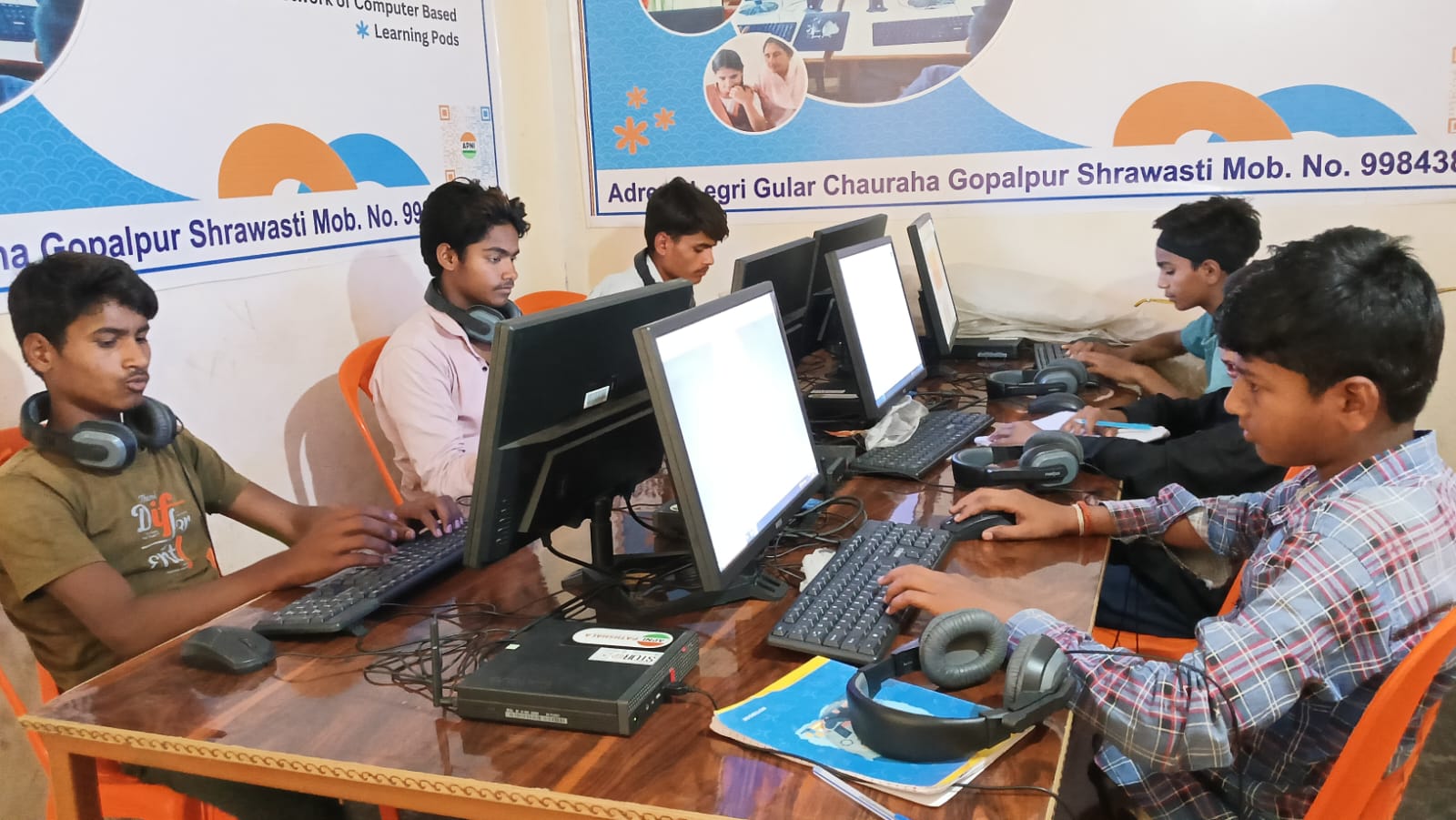
Back to Ravi’s story: after three months of consistent typing practice on a proper computer, everything changed. His fingers moved across the keyboard with confidence. He completed assignments faster and with fewer errors. His computer class grades improved. But more importantly, he felt capable. He wasn’t intimidated by technology anymore; he felt like he could master it.
Meera noticed something else too. Ravi’s overall academic confidence grew. When you remove one barrier, in this case slow typing, students often perform better across the board. They participate more in online classes, submit better work, and develop a growth mindset about learning.
This is what’s possible for your child. Typing speed isn’t just about speed. It’s about removing friction between your child’s thoughts and their ability to express them. It’s about building confidence that carries into every area of their academic life.
Consider also checking out our budget student desktop guide to understand all the options available for your family’s needs and budget.
The investment in typing practice now pays dividends for years. Your 10-year-old who builds strong typing habits will be the 16-year-old flying through competitive exam computer tests. They’ll be the college student who can take notes quickly in online lectures. They’ll be the young professional who can work efficiently with digital tools.
According to research on personal computer, early exposure to keyboard-based learning builds strong cognitive and motor skills. India’s Digital India initiative also emphasises digital literacy as a core skill for students.
The journey starts with one decision: giving your child access to a quality computer and the time to practice. Ready to help your student build typing speed and unlock their digital potential? Visit apnapc.com to learn more.