

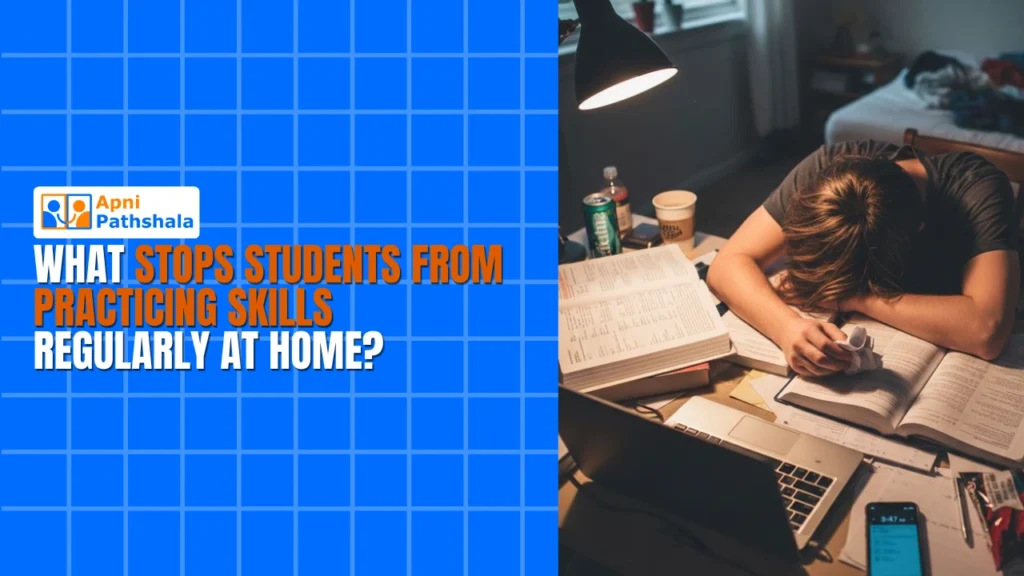
Most Indian parents have watched the same scene play out at home. The school day ends, the bag drops near the door, and the promise of “I’ll practise after I rest a bit” slowly turns into the next morning’s rush. Building strong study habits for students is rarely about willpower. It is about what surrounds the child between school and bedtime and whether the home actually makes daily practice easy or quietly impossible.
Why Practice Quietly Disappears After School Hours
Skill-building needs short, repeated effort. Twenty focused minutes a day, every day, outperform a four-hour weekend marathon. Yet most homes are not set up for that kind of rhythm. There is no fixed corner to study. The phone is shared, the table is for dinner, and siblings are watching something nearby. Within minutes, attention drifts.
Modern practice learning methods assume a child can sit down, open a lesson, try a problem, fail safely, retry, and move on. Without a working device at home, that loop breaks. A child who must wait for a parent’s phone to address every question will eventually stop asking for help. The skill that needed five minutes of practice ends up postponed for a week.
When the home setup is unstable, daily practice quietly slips away.
Reports from UNICEF India education research have long pointed out that out-of-school learning time is where real gaps either close or grow wider. Schools deliver the syllabus. Homes decide whether it sticks.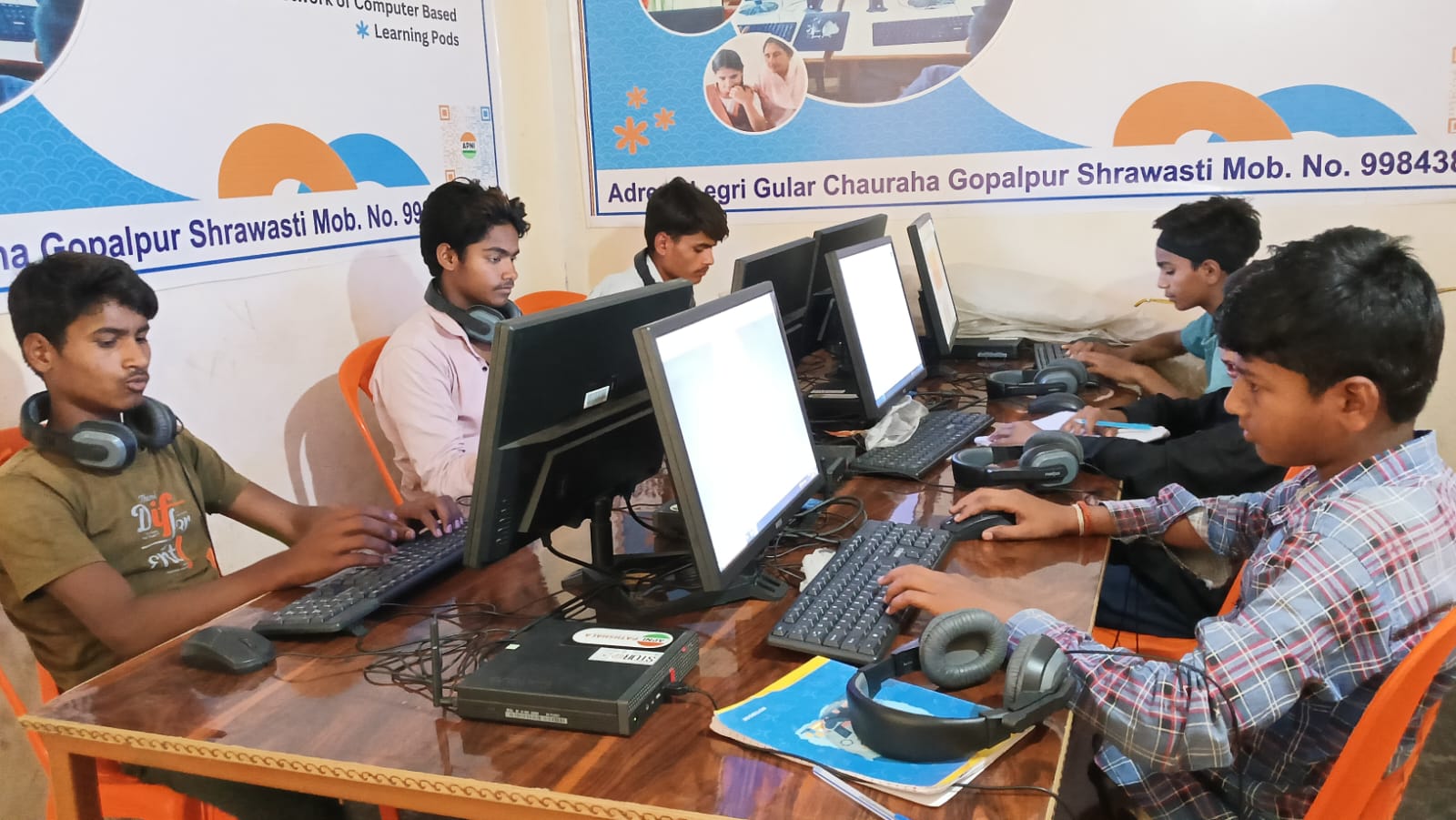
What Actually Builds Effective Study Habits?
The students who improve fastest are not the ones with the most tuition hours. They are the ones who can practise immediately after learning something new. That is what turns a topic from “I heard it” into “I can do it.” Effective study habits are built on three small things: a fixed time, a fixed place, and a fixed tool that is always ready.
Notice what is missing from that list, motivation. Parents often blame “lack of interest,” but interest follows mastery. A child who solves three problems correctly wants to solve a fourth. A child who cannot even open the practice material on time loses interest by Thursday.
Here is what a working practice loop at home looks like:
- A reliable device the child does not have to ask permission to use
- Saved work that is still there tomorrow: no lost notes, no logged-out apps
- A space free from constant interruption
- Easy access to NCERT (National Council of Educational Research and Training) material, online lessons, and typing or coding tools
- Parents who check in once a day, not every fifteen minutes
Pull any one of these out, and the loop collapses. This is why two children in the same class can move at entirely different speeds, even with the same teacher.
Building a Consistent Study Routine That Survives the Week
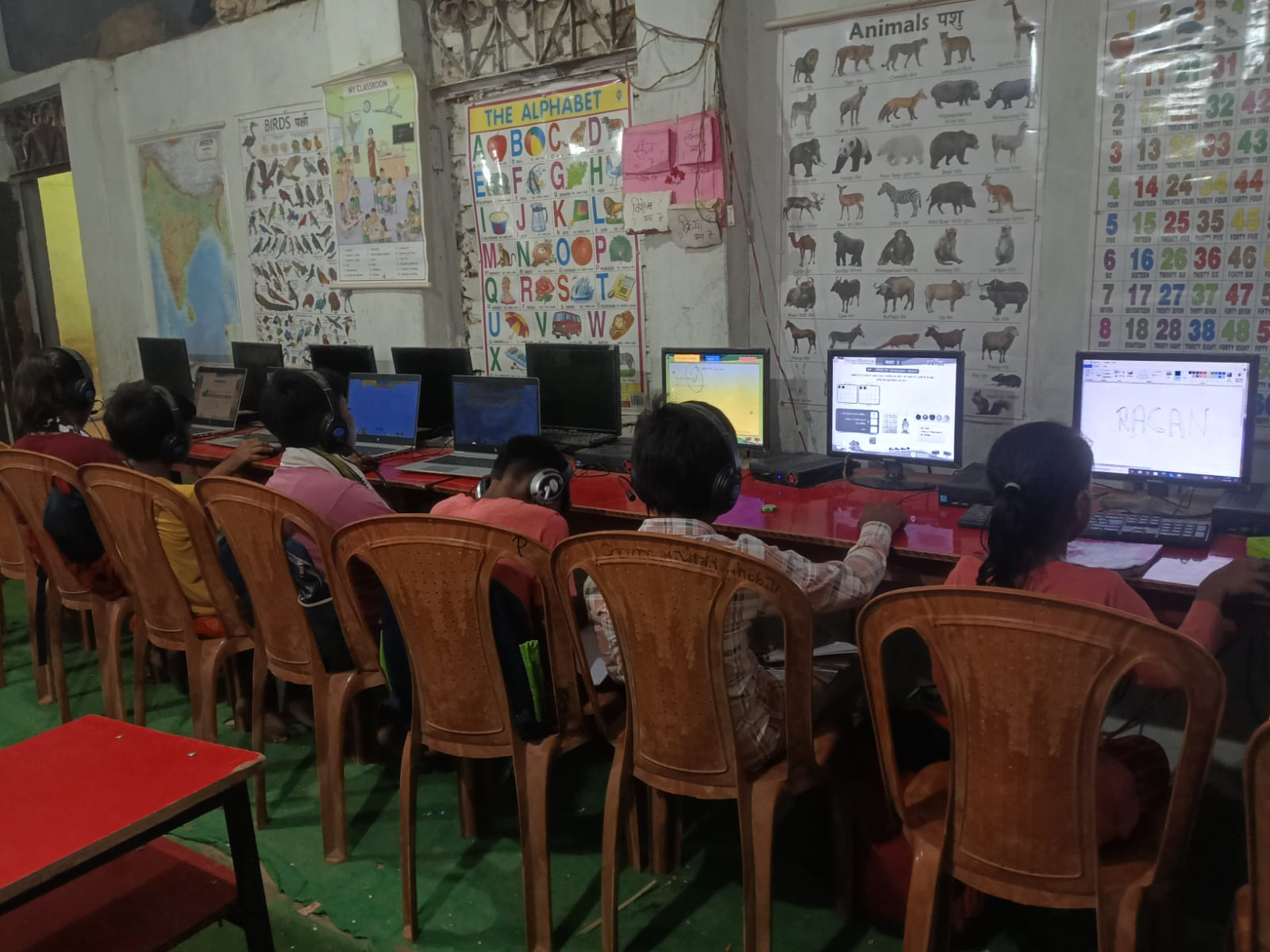
A steady setup turns practice into a habit instead of a daily fight.
A consistent study routine is not something a child invents alone. It is something the home environment quietly enforces. The moment a child knows “from 6 to 7 my computer is mine, and the work I left yesterday is still open,” the routine builds itself. Hesitation is the enemy of habit. Anything that adds a step, borrowing a device, asking for the password, waiting for a sibling, becomes the excuse that ends the session.
This is also why a personal computer at home does so much more than a shared phone. A computer signals seriousness. It separates study time from entertainment time. The screen size lets a child read full pages, write proper notes, watch lessons without zooming in, and try real software. You can read more about the lasting impact of not having one in our piece on The Hidden Cost of Not Having a Computer in 2026.
For Indian families, the gap is not about expensive imports anymore. Affordable, education-first computers exist. Apna PC is built for exactly this: daily practice, schoolwork, online classes, typing, basic coding, and skill courses, without the distractions of a general-purpose machine. It is priced at ₹21,000 (shipping and GST excluded), which is closer to the cost of two years of tuition than the cost of a premium laptop. To understand the philosophy behind it, see What Is Apna PC.
When the device is ready, the desk is the child’s own, and the routine is protected from interruption, practice stops feeling like a chore. It becomes the smallest, most natural part of the day, and that is where real progress quietly happens.
If you have been wondering why your child’s effort does not match their results, the answer is rarely the child. It is almost always the setup around them. Fix the setup and watch how quickly daily practice returns. Visit apnapc.com to learn more.