

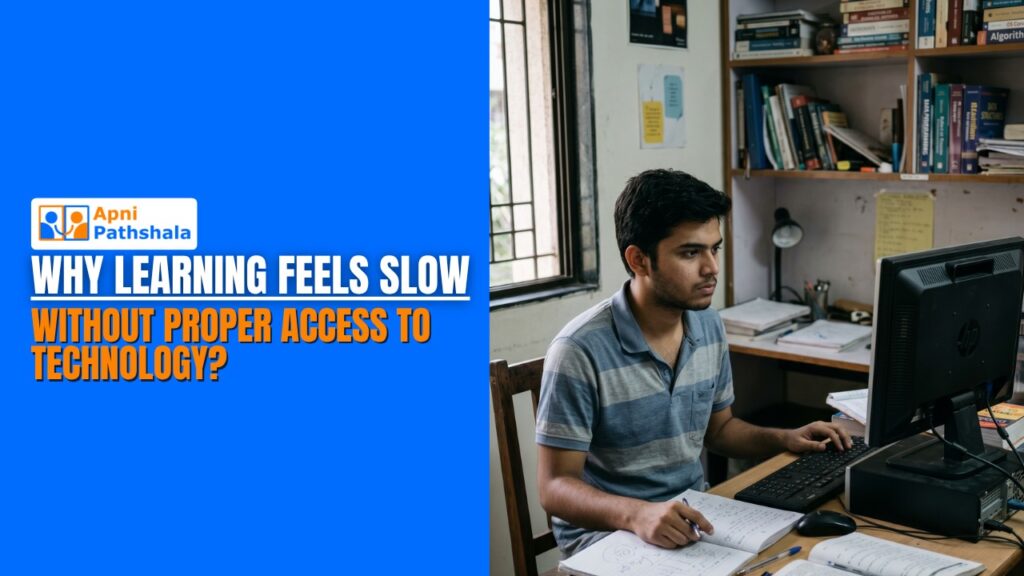
Every parent has wondered why their child is putting in effort but still not keeping up. Hours are spent studying, notes are written, revision is done, but the results don’t reflect the work. Very often, the answer isn’t the child’s ability or attitude. It’s the environment they are learning in. Access to technology in education is no longer a bonus; it determines the pace at which a student can absorb, practice, and move forward. Without that access, even a hardworking student will always feel like they are running just a little behind, no matter how hard they try.
What Makes Learning Feel Slow for So Many Students?
Slow learning is rarely about a lack of effort or intelligence. Most of the time, it comes down to a gap in how students access and engage with the material they are supposed to learn. The reasons students learn slowly are more structural than personal.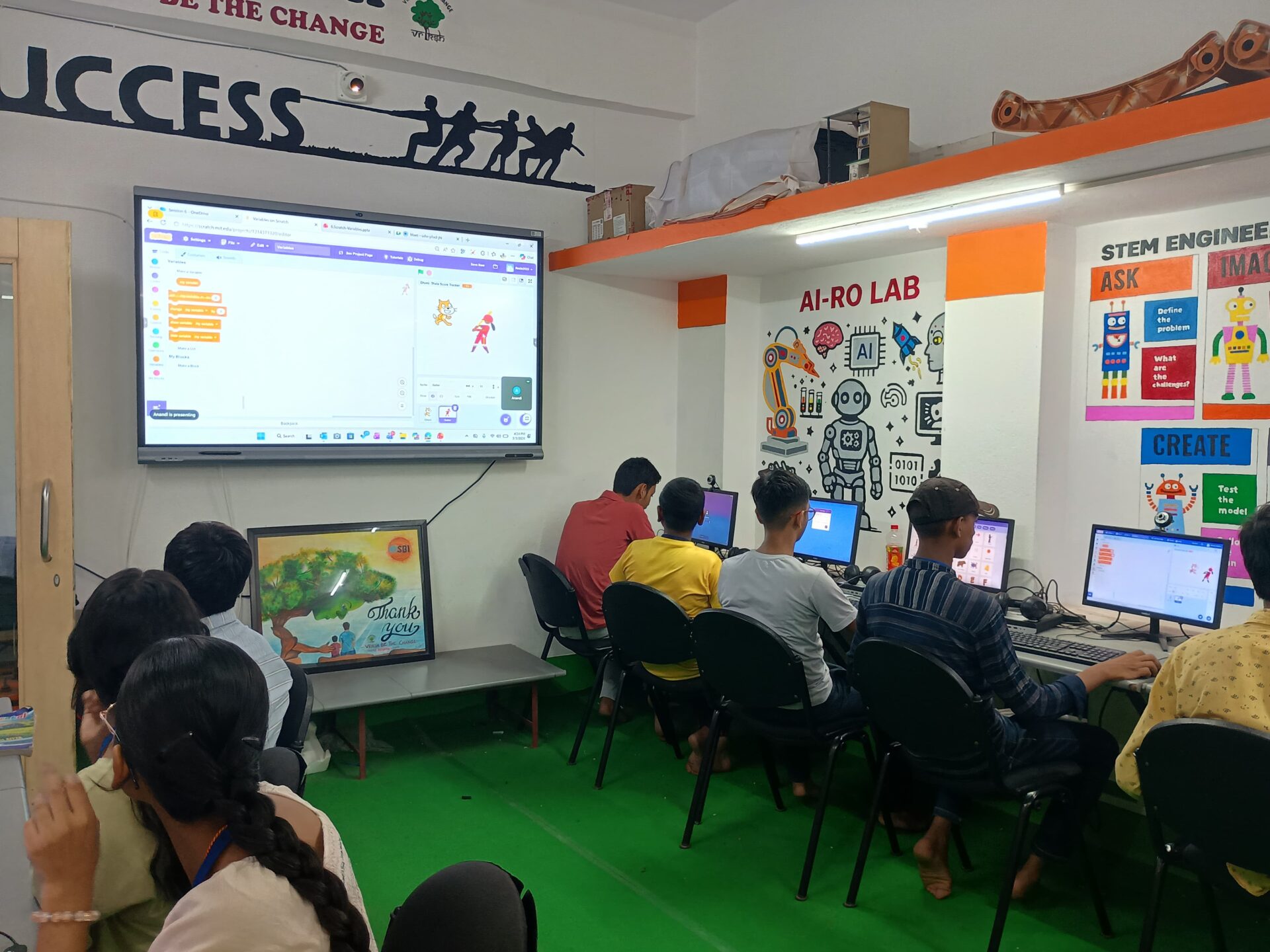
When a student has to read the same paragraph five times and still doesn’t fully understand it, the problem often isn’t comprehension; it’s that no one has explained that concept in a way that connects with how that student thinks. A printed textbook explains once. A digital platform can show the same concept from multiple angles, with diagrams, animations, step-by-step examples, and voice explanation, until it finally clicks.
When students don’t have a device at home, they are limited to what they absorb in a 45-minute classroom period. That is rarely enough. And when they fall behind even slightly, the gap compounds, today’s confusion becomes next week’s confusion, stacked on top of more new confusion. The student is never fully catching up because they never had the tools to catch up.
The Digital Divide in Education in India Cannot be Ignored.
India has made enormous strides in school enrollment over the last decade. But enrollment is not the same as learning. The digital divide in education India faces today is one of the most serious gaps standing between a student’s potential and their actual outcomes.
Urban students with personal computers at home can revise whenever they want. They access free learning platforms, watch tutorials, download notes, and attempt full practice tests, all before school the next morning. Students in smaller cities and towns, many of them equally bright, are trying to do the same with a shared phone, squeezed between other family members who also need it.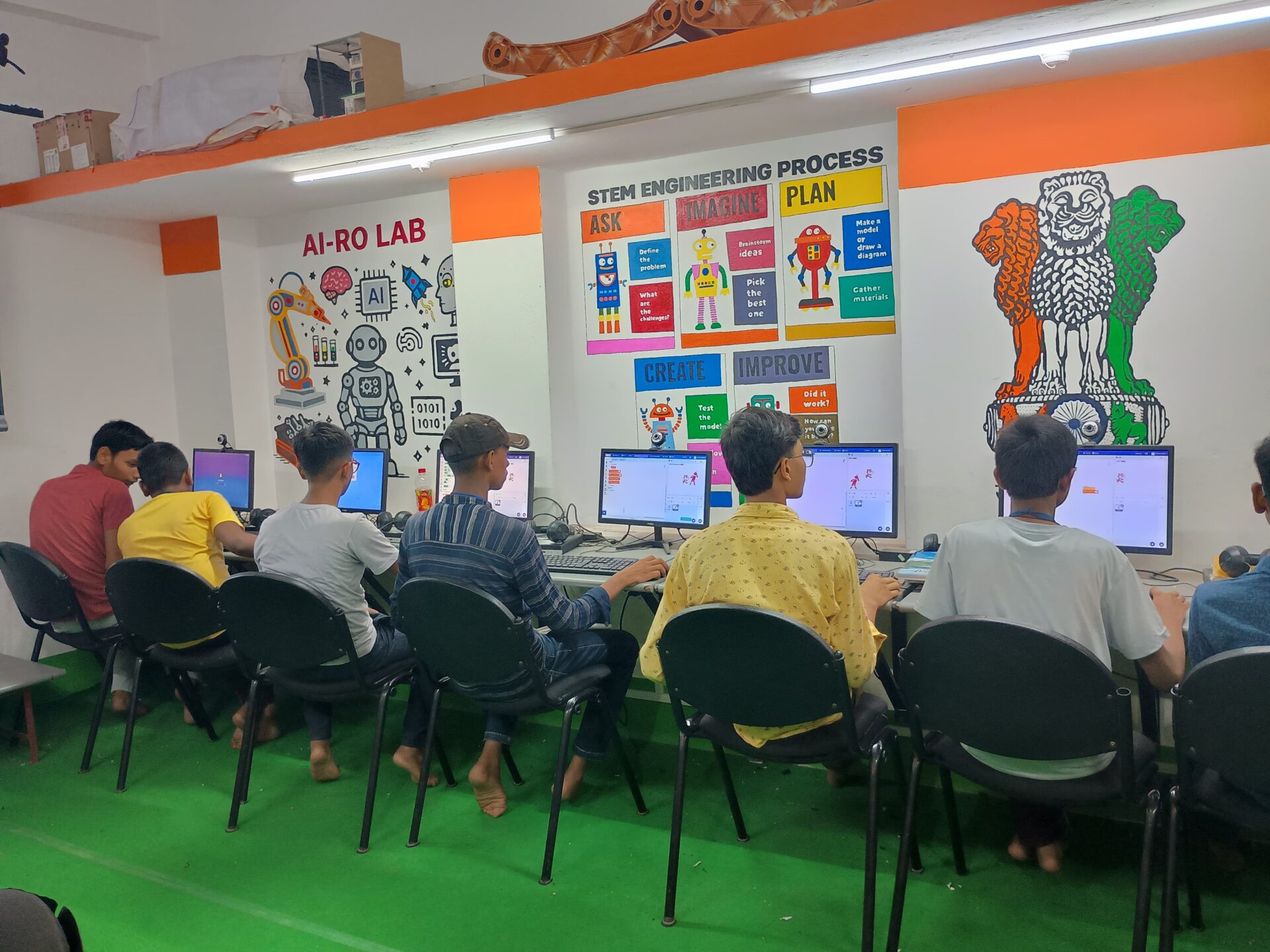
According to the UNICEF India education report, equitable access to digital learning tools is one of the most critical factors in improving education outcomes across India, particularly for students from lower-income households and Tier 2 and Tier 3 cities.
This is not about privilege. It is about infrastructure. A student in a small city follows the exact same national curriculum as a student in a metro. But without equal access to digital tools, they are not competing on equal ground, and they know it.
Student Learning Challenges That Technology Can Solve
The student learning challenges that better access to technology addresses are not abstract; they are concrete, daily frustrations that slow down real students in predictable ways.
A student who does not understand a formula in class has to wait until the next day to ask again, and by then, the teacher has moved on. A student with a computer can search, watch a video explanation, and understand within ten minutes of getting home. The gap in outcomes between those two students grows a little wider every single day.
A student preparing for Board exams without access to practice tests is essentially guessing what questions will look like. A student with a computer can take mock tests, read detailed answer explanations, and identify their weak topics weeks before the actual exam, giving them time to address those gaps.
The Central Board of Secondary Education (CBSE) increasingly expects students to access study materials, timetables, results, and digital resources online. The system is moving forward, assuming students have devices. Many still don’t, and that assumption creates an invisible layer of disadvantage that never gets discussed in parent-teacher meetings.
How Apna PC Brings Technology Access Within Reach?
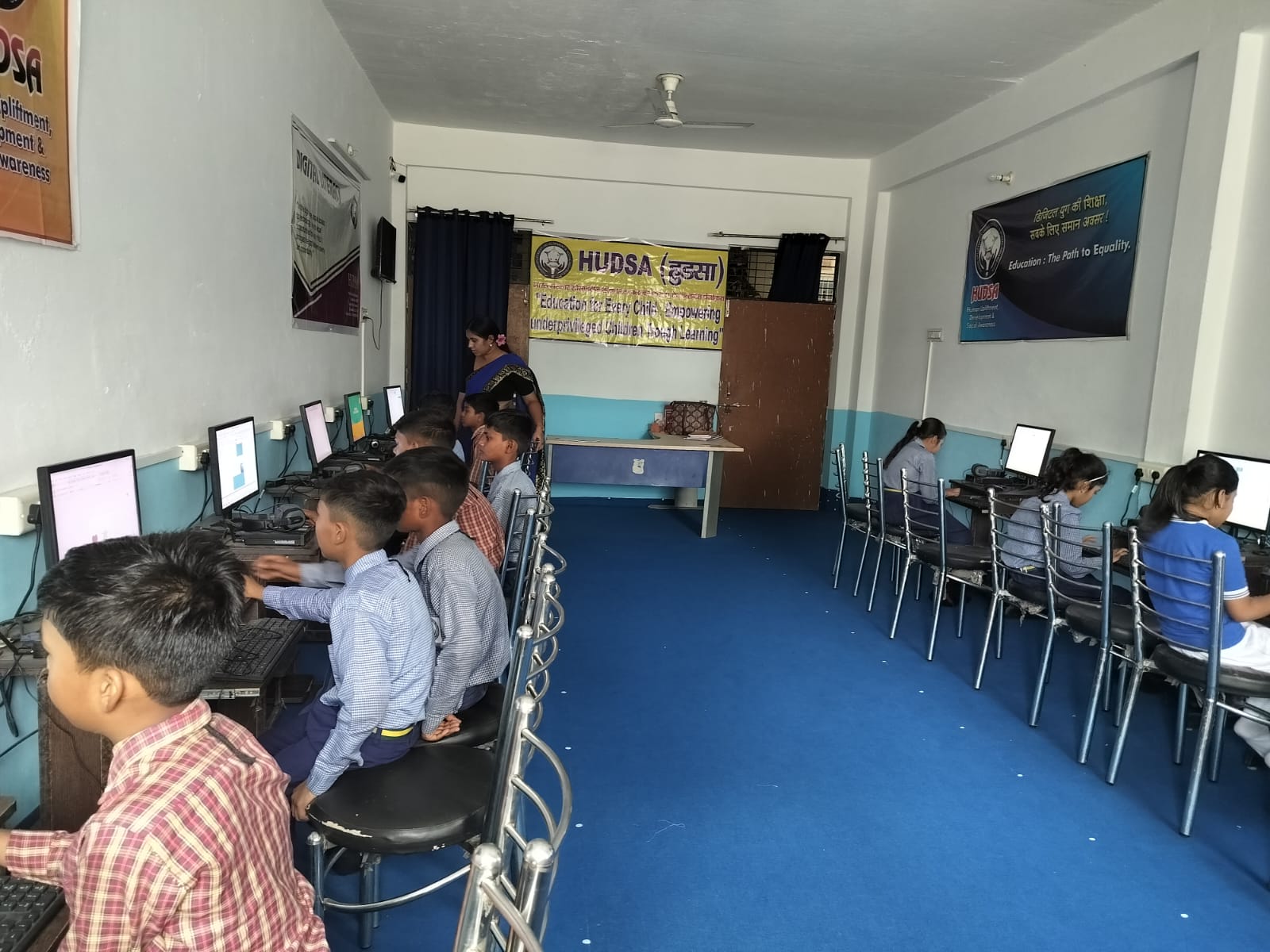
Most families do not need to be convinced that their child needs a computer. They already know. What they need is a price that makes it genuinely possible, not a stretch that strains the household for months.
Apna PC is available at ₹21,000 (shipping and GST excluded), a price designed for Indian middle-income families who want their child to have real, consistent access to technology without financial pressure. It is not a basic, stripped-down device. It is a complete educational computer built with India’s learners in mind.
It integrates with the Apni Pathshala ecosystem from day one, giving students immediate access to structured learning content. It is built to last through multiple years of school, not just one exam cycle, so the investment grows with the student rather than becoming outdated in a year.
Read The Biggest Advantage a Student Can Have Today to understand why access shapes outcomes more than most parents realise. And explore What Is Apna PC to see how it was built around the real learning needs of Indian students.
When access to technology in education is within reach, learning stops feeling slow and starts feeling possible. Visit apnapc.com to learn more.