

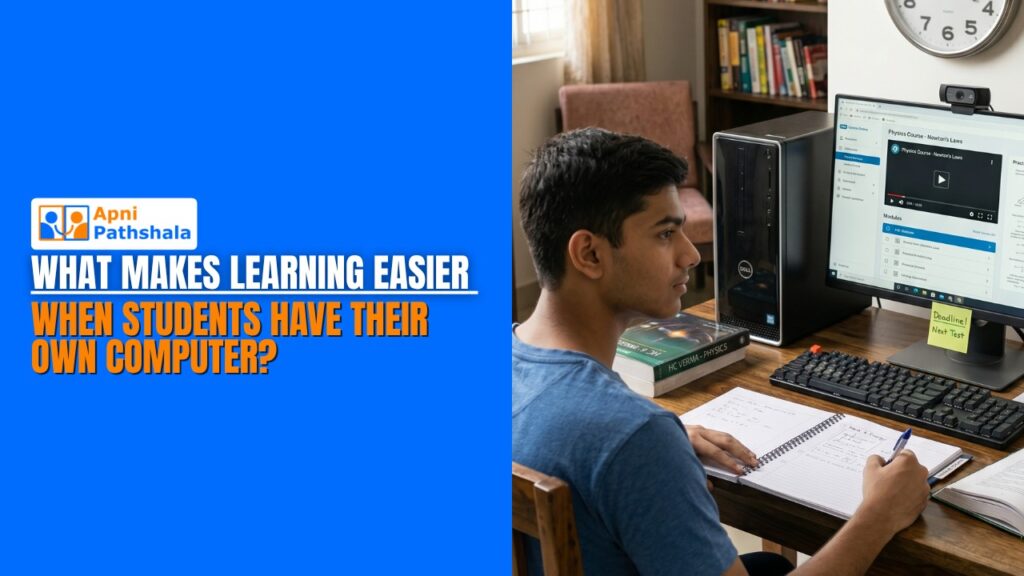
Most students in India still share a single phone or device at home, waiting for their turn while their classmates move ahead. For students to actually work, they need uninterrupted, personal access to a device they can call their own. A shared screen never fully closes that gap. When a student finally has their own computer, something real shifts. They study at their own pace, explore topics they’re genuinely curious about, and build skills that no borrowed device could ever give them.
The Real Benefits of a Personal Computer for Students
Having your own device is not about luxury; it is about control. When a student has their own computer, they decide when to study. They can revisit a chapter at midnight if needed. They pause a video, rewind it, and try again at their own speed, without anyone rushing them.
A study environment built around the student, not around waiting, makes a measurable difference. Students who have consistent access to their own computer complete assignments on time, explore subjects more deeply, and develop stronger digital habits from an early age. These habits add up over months and years.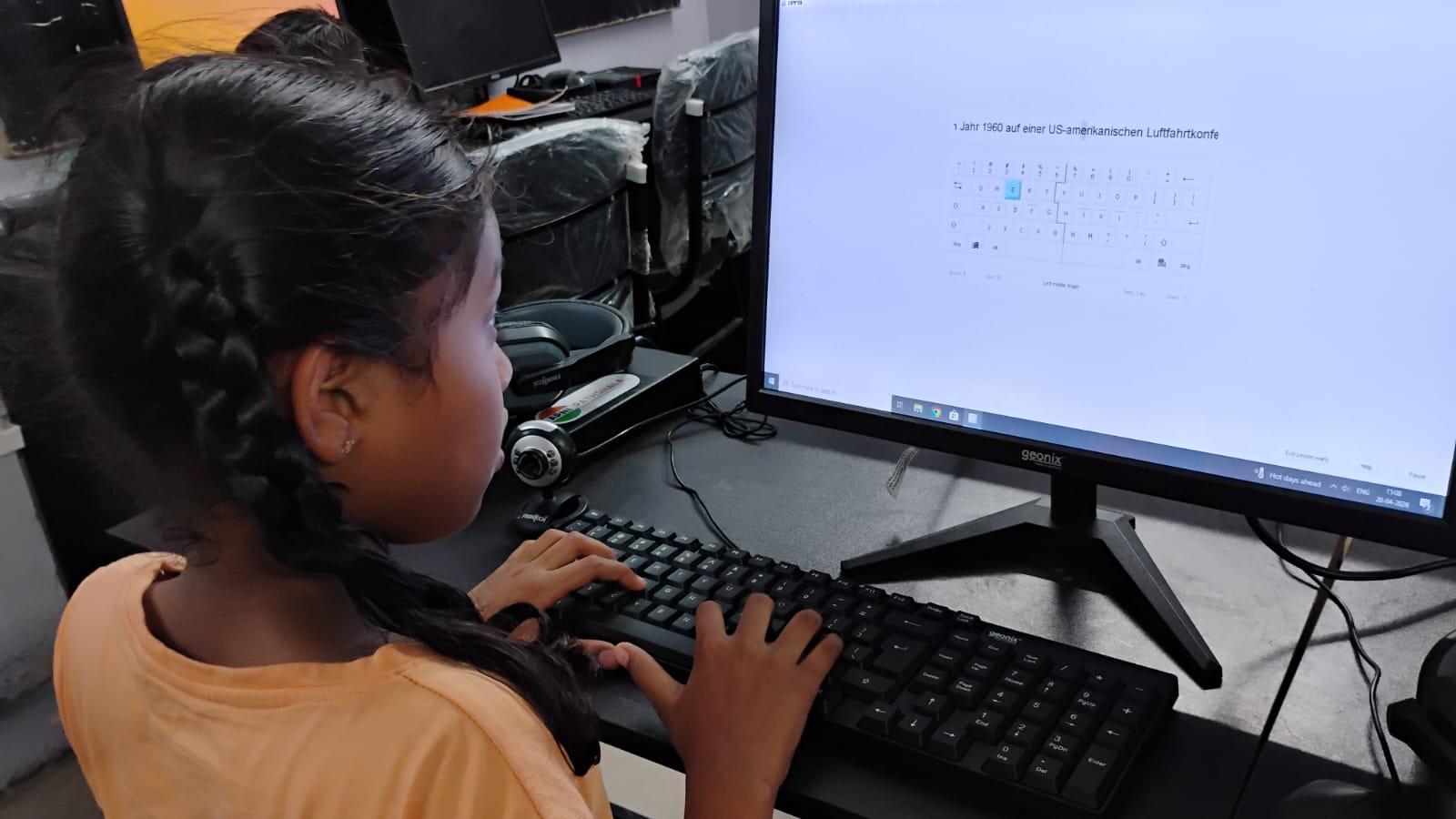
The benefits of a personal computer for students go far beyond marks. They include real independence, better time management, and the habit of figuring things out without outside help. These are not just school skills. They are life skills that stay with a student long after their exams are done.
Read more: Why Every Indian Student Needs Their Own Computer.
How Computer-Based Learning Works in Real Life
Computer-based learning sounds technical. But at its core, it is simple: the student sits down, opens a free learning platform, and starts. No tuition fee. No waiting for a teacher. Don’t ask a sibling to share their phone for twenty minutes.
When a student has a personal computer, they can:
-
- Watch video lessons aligned to their school syllabus.
-
- Practice problems and get instant feedback.
-
- Access free NCERT materials and digital textbooks
-
- Build essential skills, such as typing, creating presentations, and organizing their own files.
Platforms like DIKSHA India’s national digital learning platform offer lakhs of free learning resources for students from Class 1 to Class 12, all aligned to national curricula. But these platforms are only useful when the student has a device of their own to access them consistently and privately, not just when someone else is done using a shared phone.
The difference between students who learn this way and those who don’t is intelligence. It is access. Computer-based learning works best when the machine belongs to the student.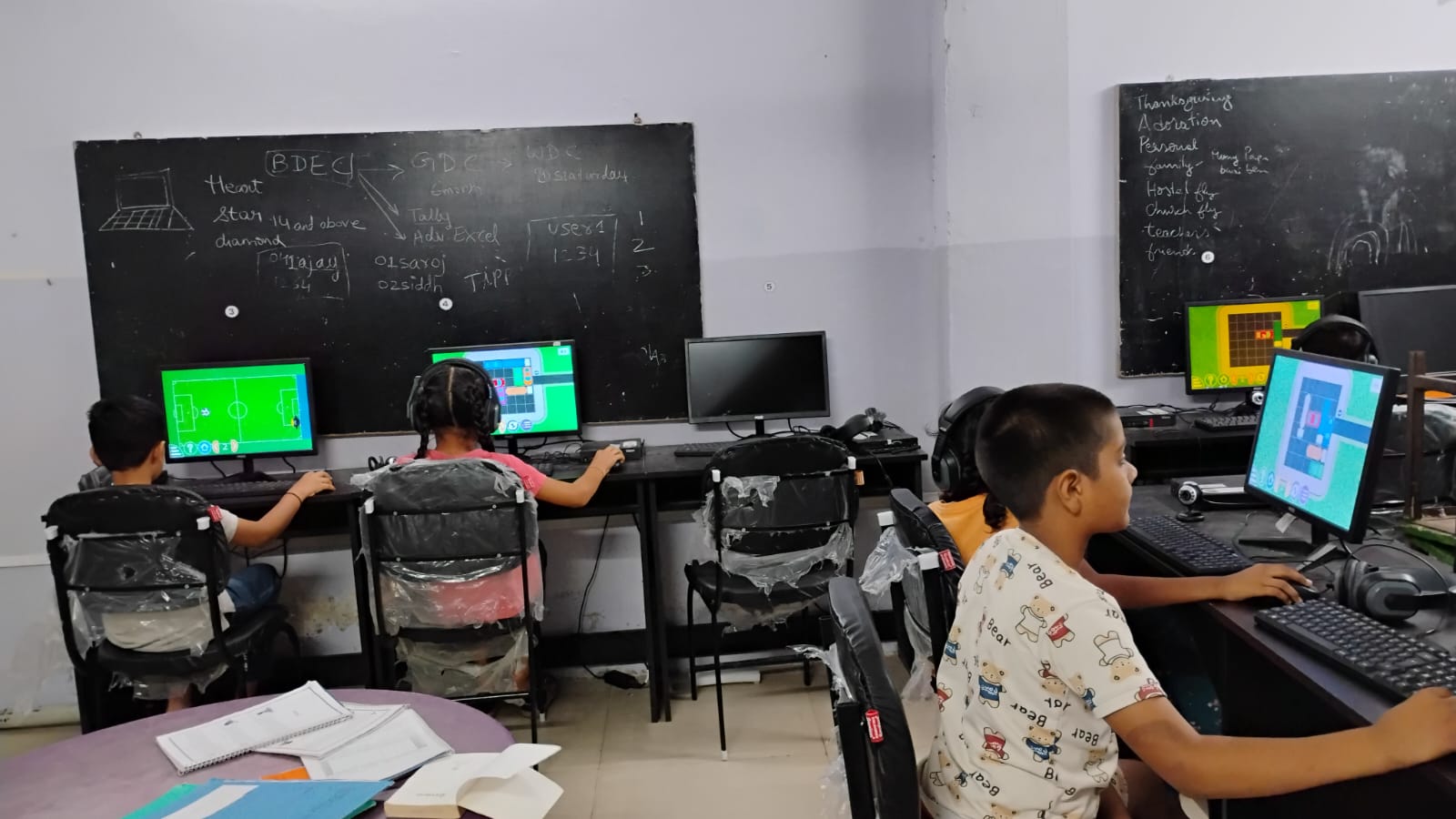
The Digital Learning Benefits Most Families Don’t Talk About
Parents often see a computer as a tool for entertainment. But the digital learning benefits run much deeper than that. A personal computer creates a kind of learning that is self-paced, self-directed, and available at any hour of the day, three things a classroom cannot always offer every child.
Students who regularly learn on their own computers develop the habit of searching for answers before giving up. They become comfortable with technology, which prepares them for college entrance exams, internships, and jobs. They save their work, organize their files, and learn to submit assignments digitally, skills every modern employer now expects as basic.
As the Digital India initiative moves more government services, education opportunities, and job applications online, students without computer experience are at real risk of being left behind. The gap isn’t only about learning, it is about future opportunity.
Why Apna PC Is Built for Indian Families?
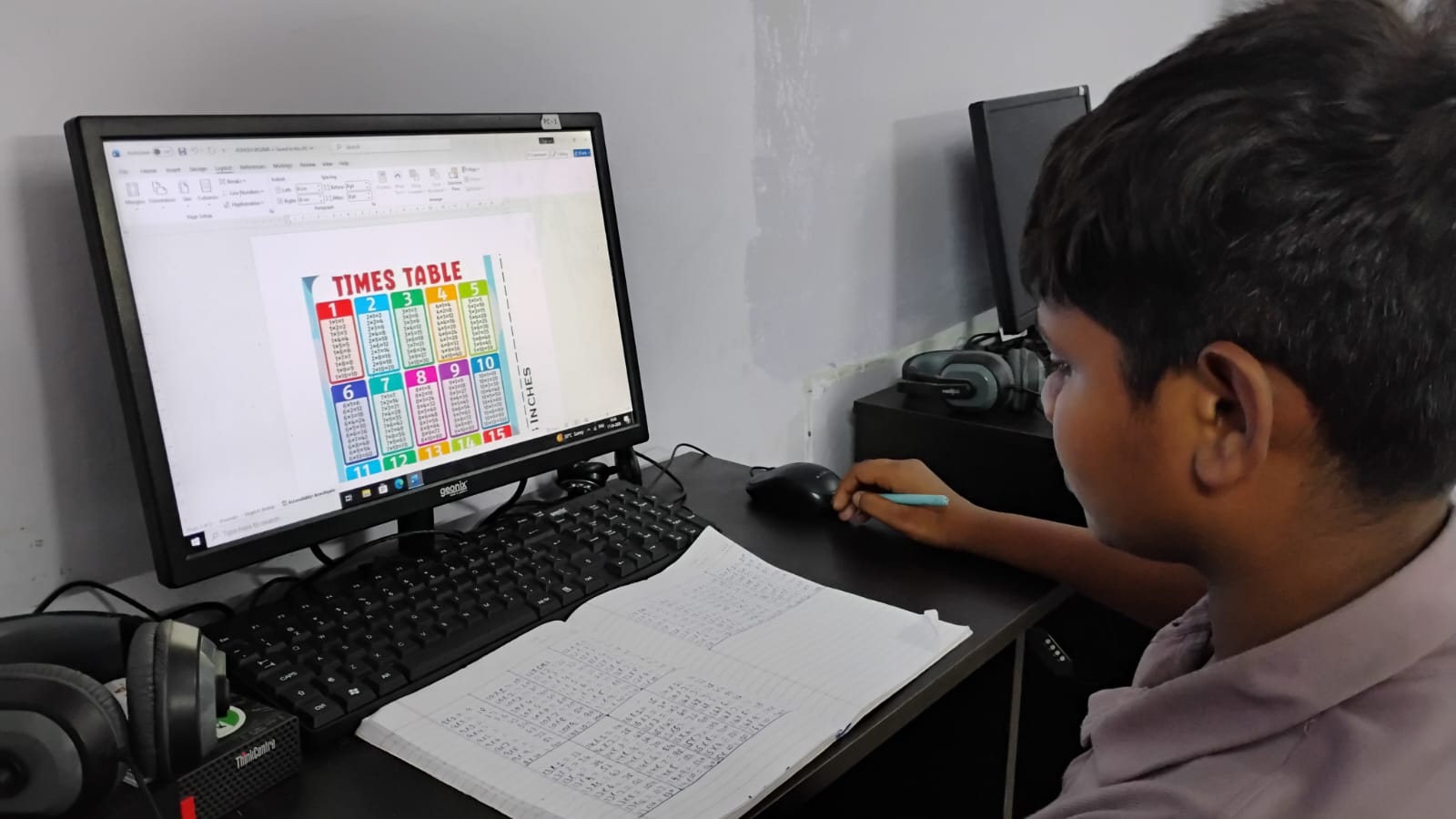
Most computers in the market are priced for corporate buyers, not for families in Tier 2 or Tier 3 cities who want to give their child a genuine head start. That is exactly the gap Apna PC was created to fill.
Apna PC is available at ₹21,000 (shipping and GST excluded). At that price point, real computer access reaches families who couldn’t earlier justify the cost of a device they weren’t sure their child would fully use. This is not a basic, underpowered toy. It is a complete learning computer, built with India’s students in mind.
It comes integrated with the Apni Pathshala ecosystem, so students have access to curated educational content from the very first day. It is designed to last, because a child’s learning journey isn’t a one-year project. It needs a reliable tool that grows with them.
To understand what makes this device different, read What Is Apna PC and how it was built around the real needs of Indian learners.
If your child is ready to stop waiting and start learning on their own terms, Apna PC gives them that chance. Visit apnapc.com to learn more.