

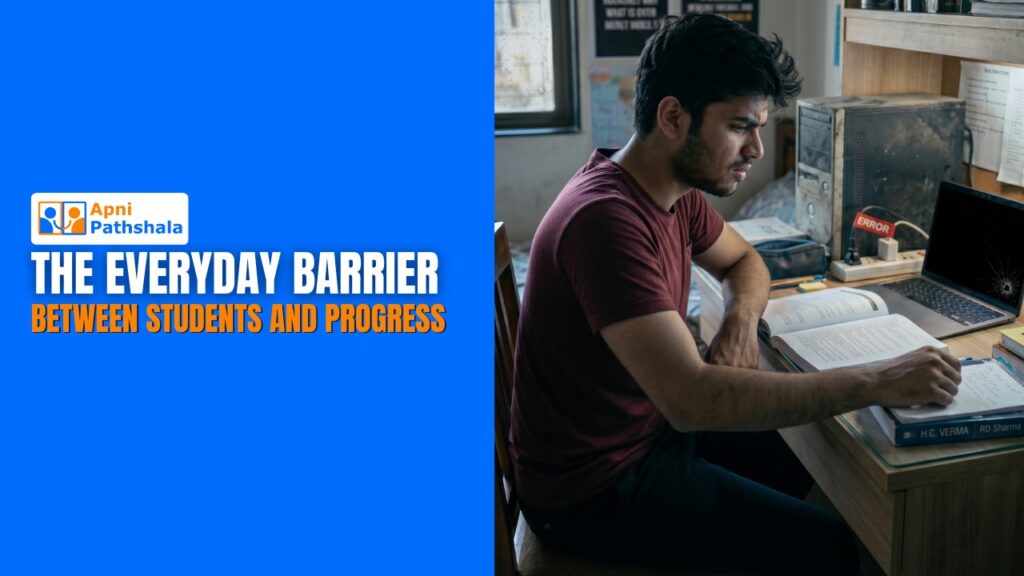
Every student wants to do well. Every parent wants their child to succeed. Yet millions of students across India quietly fall behind, not because they lack talent or effort, but because of barriers to learning that nobody openly discusses. These are the small, everyday obstacles that quietly chip away at a child’s confidence and potential, one missed lesson at a time.
Understanding what these barriers are and why they exist is the first step to actually removing them.
What Are the Real Obstacles in Education?
When we talk about obstacles in education, most people think of big problems, such as poverty, school dropouts, and limited access to rural areas. And while those are real, there is a quieter set of barriers that affects even students who go to school regularly.
A student in a Tier 2 city might attend school every day and still struggle to keep up. Why? Because they come home to a single shared phone, a cramped study space, or no way to revisit a concept the teacher explained only once. These are not dramatic failures; they are slow, invisible ones.
Some of the most common everyday barriers include:
- No device to study on at home – Homework piles up when there is no computer or tablet available.
- Dependence on peers or tuition – Students cannot explore subjects on their own terms.
- Inconsistent internet access – Even when digital resources exist, connectivity gaps make them unreliable.
- Limited revision time – Without personal tools, students cannot go back and review at their own pace.
- No quiet, personal study space – Shared family spaces with distractions make focused study nearly impossible.
According to the UNICEF India education report, millions of Indian children still face serious learning gaps, gaps that go far beyond classroom attendance.
Student Learning Challenges in India Go Deeper Than Marks
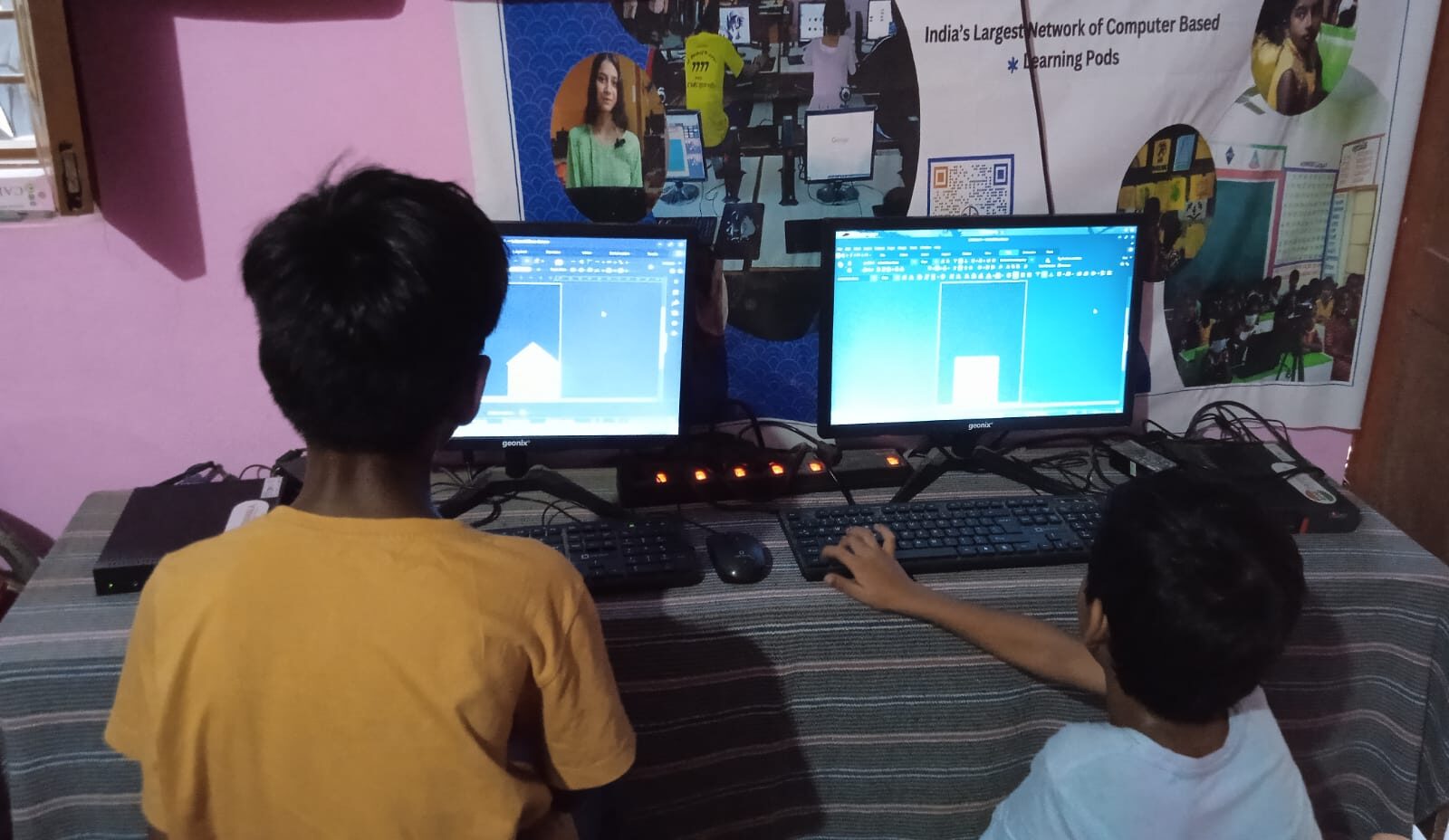
One of the most misunderstood student learning challenges India faces is the assumption that performance equals effort. A student who scores low is labelled lazy. But in reality, they may simply have had fewer tools and fewer chances to learn properly.
India’s education system was built for classrooms. It was not built for the reality that many students go home to environments with no digital support, no personal device, and no structured way to continue learning after school.
This gap hits hardest in:
- Families where one phone is shared by five people
- Students preparing for Class 10 or 12 boards without access to practice tests or video lessons.
- Children in areas with weak or no broadband connectivity
- Girls who have less access to shared devices due to household norms
The NCERT (National Council of Educational Research and Training) has consistently highlighted the need for students to have access to learning materials beyond the textbook. But access means nothing without the device to use it on.
Why Students Struggle to Learn And What Can Actually Change It?
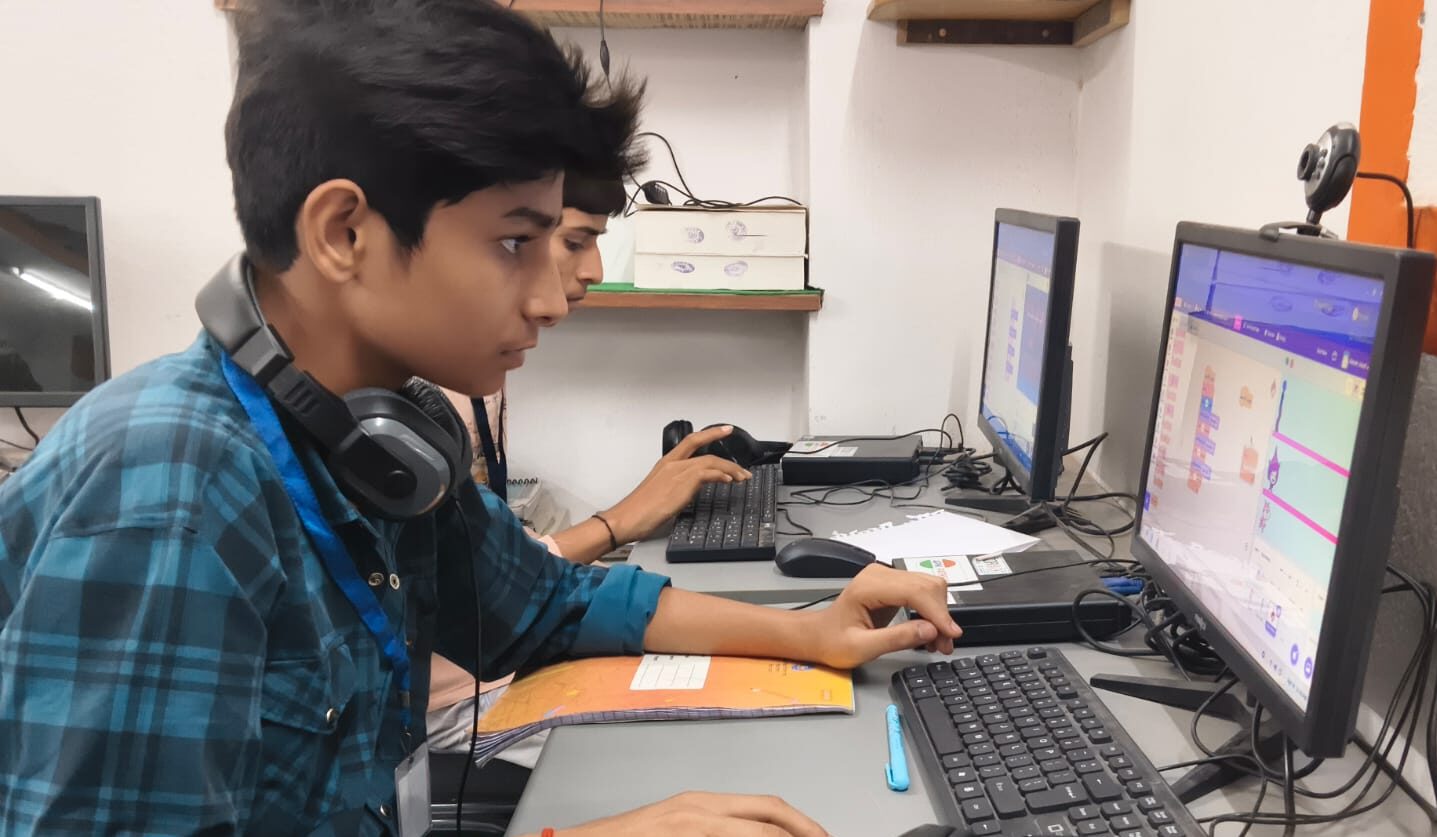
Understanding why students struggle to learn is not about finding fault. It is about identifying what is missing and fixing it.
The students who thrive are almost always the ones who have consistent access to a learning environment at home. They can revisit topics. They can watch an explanation again. They can type an assignment, search for answers, and practice skills without waiting for someone else to free up the phone.
That is exactly what What Is Apna PC is designed to solve. Apna PC is an affordable educational computer built specifically for Indian students and families. At just ₹21,000 (shipping and GST excluded), it gives a child their own device, one they do not have to share, one that is ready for schoolwork, and one that removes the daily friction that quietly blocks learning.
When a student has their own computer, the dynamic changes. They study more. They ask more questions. They explore beyond what was taught in class. The barrier does not disappear magically, but it becomes one they can actually cross.
If you want to understand The Hidden Cost of Not Having a Computer in 2026, the answer is simpler than most parents expect: it is the cost of watching your child’s potential go unreached, year after year.
The barriers are real. But so are the solutions. Give your child the tool they need to move forward. Visit apnapc.com to learn more.