

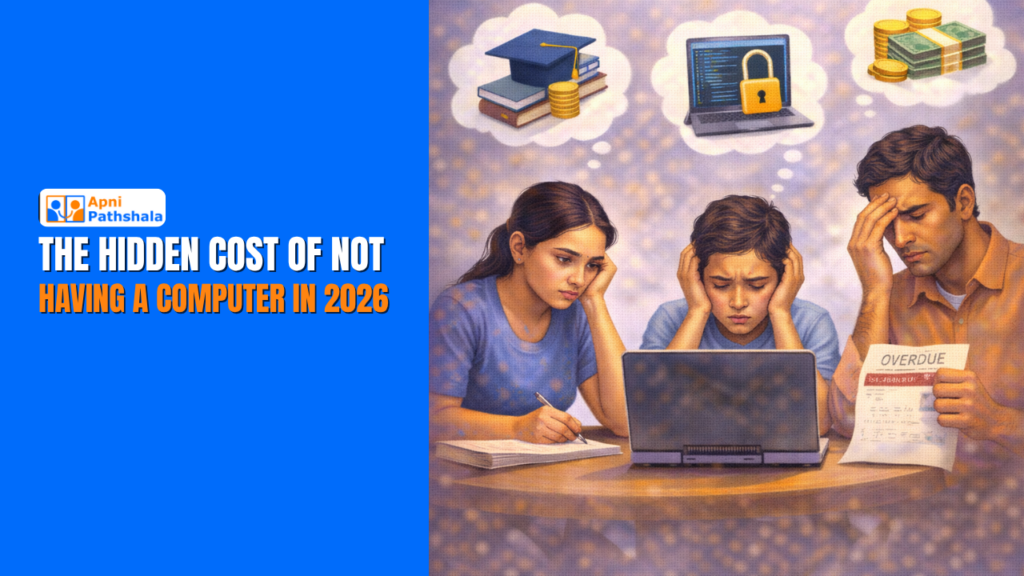
The Hidden Cost of Not Having a Computer in 2026
When Sruthi first walked into her local cyber cafe in 2025, she didn’t know it would change everything. She was a bright student from a small town, scoring well in her board exams, but something was missing. While her classmates discussed online courses and digital projects, Sruthi felt like she was watching from the sidelines. That day at the cyber cafe, paying 30 rupees per hour just to check her exam results, she realized the gap between her and other students wasn’t about intelligence or hard work. It was about access.
The hidden cost of not having a computer goes far beyond money. It’s about missed opportunities, lost confidence, and watching your dreams slip away while others move ahead. Sruthi’s story isn’t unique, and in 2026, this digital divide is becoming more expensive than ever before.
The Daily Struggle of Sharing Devices
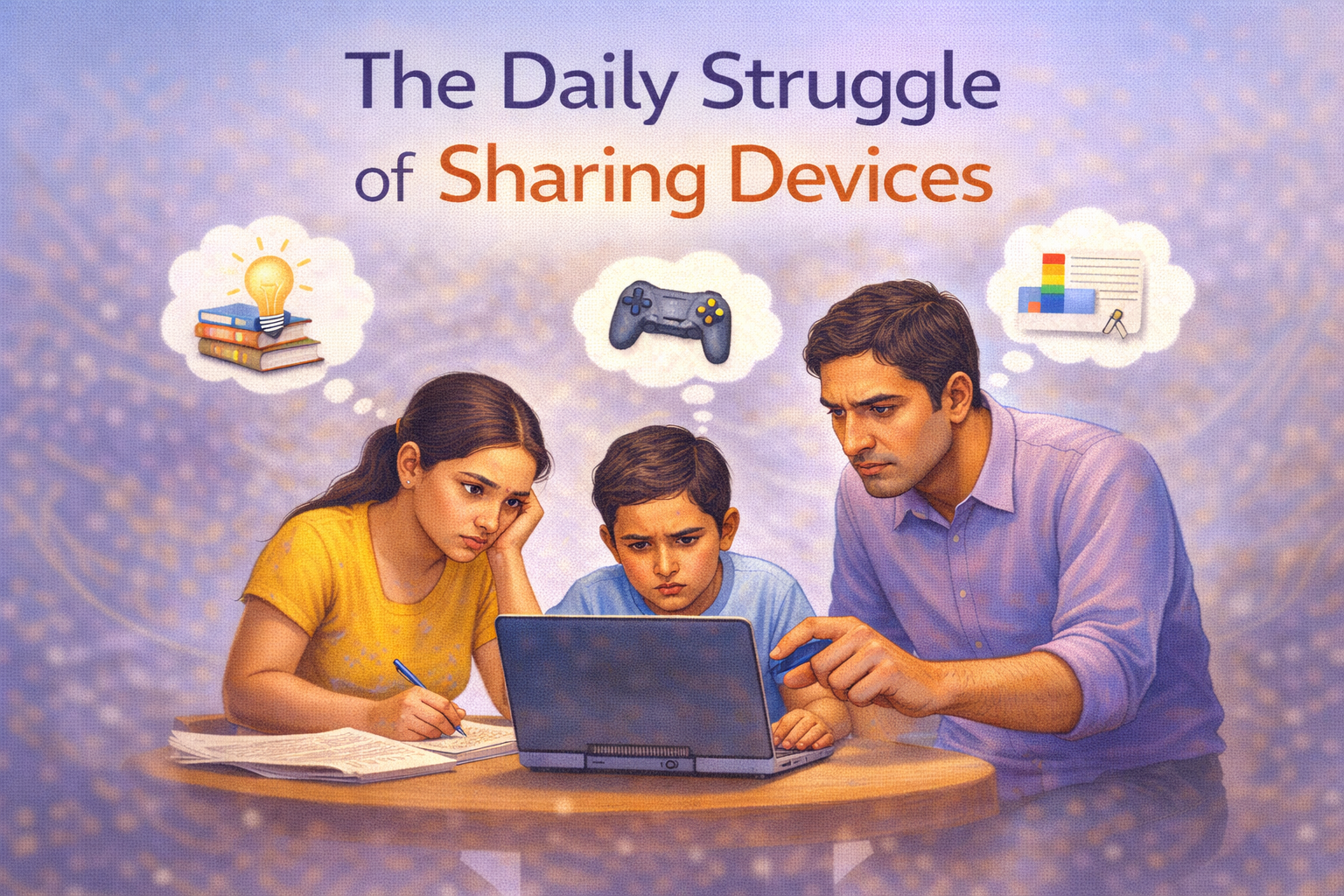
Think about this scenario. You have homework due tomorrow, but your father needs the family smartphone for work calls. Your younger sister wants to attend her online classes. And you’re stuck waiting, hoping everyone finishes before the deadline.
This is the reality for millions of students who share one device among family members. It’s not just inconvenient, it directly impacts your grades and learning pace. Students without personal computers often submit assignments late, miss important announcements, and can’t revise lessons at their own speed.
Missing Out on Free Learning Resources
Here’s what many people don’t realize. The internet is full of incredible educational content that’s completely free.
From detailed video lectures to practice tests and study materials, everything is available online. But without a computer, these resources remain out of reach. Students like Surendra discovered that platforms offering courses in programming, mathematics, and science are mostly designed for desktop or laptop users. Mobile versions often lack features, making learning frustrating and incomplete.
The Career Preparation Gap
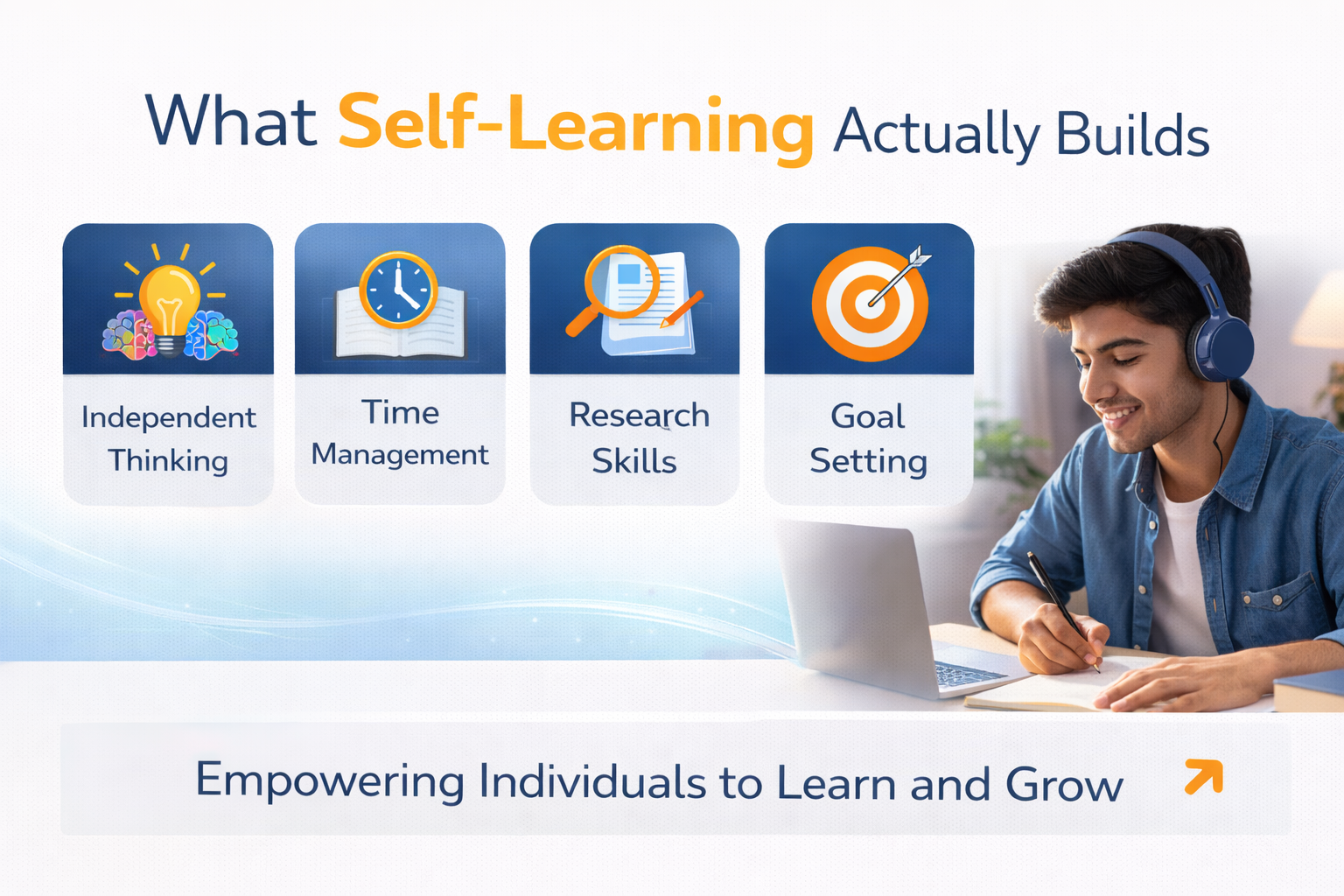
In 2026, most jobs require basic computer skills. Word processing, spreadsheet management, presentation creation, these aren’t special skills anymore. They’re basic requirements. When Devendra sat for his first job interview, he couldn’t answer simple questions about MS Excel because he’d never practiced on a proper computer. His phone allowed him to view spreadsheets, but not create them with formulas and formatting.
This gap becomes even wider when students want to learn specialized skills like graphic design, coding, or data analysis. These skills need full computers, and without access, career opportunities vanish before they even appear.
The Emotional Toll Nobody Talks About
Beyond practical challenges, there’s an emotional cost that often goes unnoticed. Haripriya used to feel embarrassed when teachers assigned computer-based projects. While her classmates created professional presentations with animations and graphics, she struggled with basic formatting on borrowed devices.
Over time, this eroded her confidence. She stopped participating in group projects and eventually stopped applying for opportunities that required digital work. The hidden cost of not having a computer includes damaged self esteem and lost ambition, things that can take years to rebuild.
Falling Behind in Competitive Exams
Competitive exams have changed. Whether it’s JEE, NEET, or government job tests, preparation now happens largely online. Mock tests, video solutions, doubt clearing sessions, and study groups all exist in digital spaces. Students without computers rely on outdated materials and miss the interactive preparation that top rankers access daily.
The NCERT official website offers digital textbooks and resources, but navigating these on a small phone screen isn’t the same experience. The difference shows in results, year after year.
The Financial Reality Check
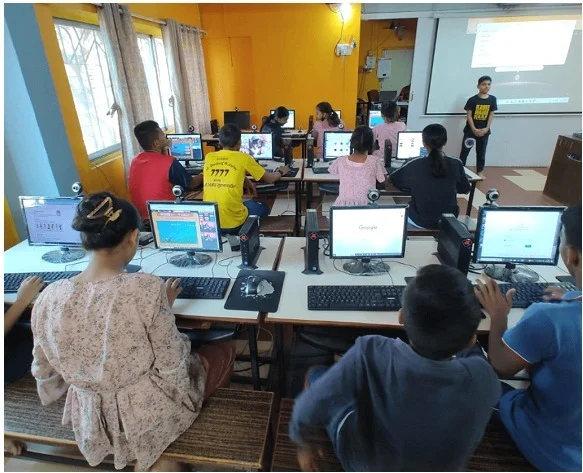
Let’s talk numbers. A student pays approximately 20 to 30 rupees per hour at cyber cafes. Multiply that by two hours daily for assignments, research, and practice. That’s roughly 1500 to 1800 rupees monthly. Over two years, you’ve spent enough to buy a decent computer.
Add missed opportunities, lower grades, and delayed career growth, and the true expense becomes clear. What seems like saving money actually costs much more in the lasting run. Quality computers from IGNOU’s recommended resources can bridge this gap affordably.
Breaking Free From the Cycle
Sivani’s transformation shows what’s possible. When she got access to her own computer, everything changed. She explored affordable NCERT learning methods, joined online study communities, and developed skills she never knew she had. Within months, her grades improved, her confidence returned, and she started helping others.
A computer isn’t just a device, it’s a bridge to a better future. Platforms like NPTEL’s free courses became accessible, opening doors she never knew existed.
The solution exists, and it’s more affordable than you think. Get your Apna PC for just ₹21,000 (shipping and GST included) and start your journey toward digital independence today at Apna PC.