

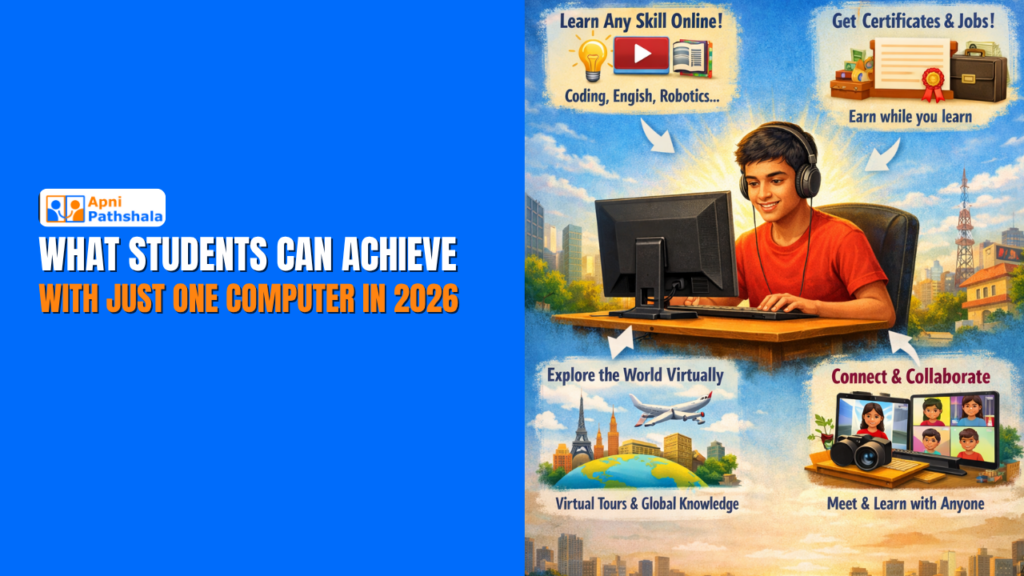
A student sits at a desk in a small room. On the screen, lines of code appear. Next to her, a design project takes shape. In another tab, a video editor runs. This is not a computer lab with expensive machines. This is one affordable computer transforming what one student can achieve with computer access in 2026.
The possibilities have changed. Students today can build careers, create portfolios, and develop skills that once required expensive training. All from one machine.
The Skills Students Can Build
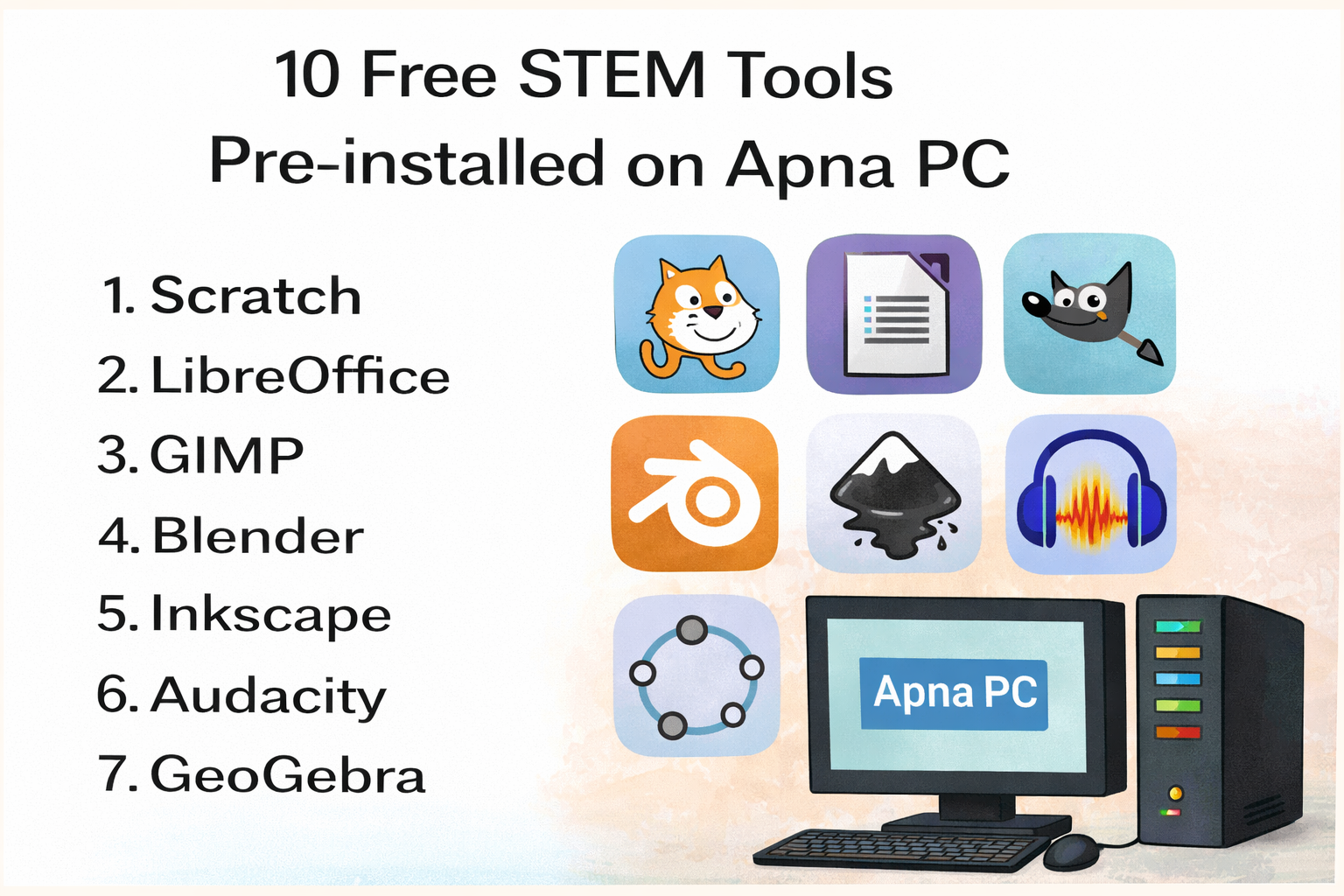
With one computer, students gain the ability to learn coding languages like Python and JavaScript. They can practice graphic design using free tools, edit videos for YouTube, and develop research skills that serve them in every subject. Digital literacy becomes second nature with regular practice.
The transformation happens gradually but permanently. A student who starts with basic typing progresses to building websites. Someone who learns spreadsheets eventually creates data visualizations. These are real-world abilities that employers value and universities recognize. One computer achievements 2026 are measured in tangible skills.
Self-paced learning through Codecademy lets students progress at their own speed. They can repeat lessons until they understand, pause when life gets busy, and accelerate when concepts click.
The Knowledge They Can Access
Students with computer access can explore free online courses from universities worldwide. They can watch expert tutorials, read research papers, and access digital libraries that stock millions of books. The barriers to knowledge have collapsed.
Consider what this means for a student in a small town. They can learn from the same materials as students in metropolitan cities. They can explore advanced mathematics, learn new languages, or study scientific concepts through interactive simulations. What students achieve with computer access includes self-directed learning that once required expensive private schools. One computer replaces expensive tutoring with the right tools.
Success stories from real students show how knowledge access translates to real outcomes. Students who once struggled now excel because they can pause, replay, and revisit lessons until they truly understand.
The Projects They Can Create
One computer enables students to build websites for local businesses, create mobile apps, produce digital art portfolios, and edit professional-quality videos. They can write blogs, design social media content, and develop presentations that showcase their abilities.
These projects become part of a digital portfolio that students show to employers. Real work demonstrates real capability better than any certificate.
A student who creates a website for their family shop has built something tangible. Someone who produces a video series has documented their learning journey. These one computer achievements 2026 represent proof of skills.
The Independence They Develop
When students have their own computer, they learn to solve problems independently. Instead of waiting for help, they search for solutions. Instead of accepting confusion, they watch tutorials and read documentation. This self-reliance becomes permanent.
Critical thinking develops through practice. Students learn to evaluate information sources and make decisions about which tools work best. What students achieve with computer ownership includes the mindset of independent learners.
Problem-solving becomes instinctive. When software does not work, students troubleshoot. When they encounter new challenges, they research. This independence serves them throughout education and careers.
The Career Preparation They Get
Modern jobs require digital competence. Students with regular computer access develop job-ready skills that give them advantages in interviews and workplace performance. They understand file management, can navigate common software, and adapt quickly to new tools.
Portfolio building happens naturally when students create projects regularly. By graduation, they have evidence of abilities to show employers. What students achieve with computer access includes career preparation that once required expensive training.
Digital competence is no longer optional. Students who enter the workforce without these skills start at a disadvantage. Those who have spent years practicing arrive prepared and confident.
The Confidence They Build
Mastery comes through practice. When students can experiment freely on their own computer, they develop confidence that cannot be taught. They learn that mistakes are part of learning and that they can figure things out.
Projects show evidence of achievement. A student who has built five websites knows they can build a sixth. Someone who has edited twenty videos trusts their ability. This self-belief transforms how they approach every challenge.
Why Just One Computer is Enough
Apna PC at ₹21,000 provides everything students need to achieve these outcomes. The system includes pre-installed tools for coding, design, office work, and learning. The three-year warranty ensures reliability for long-term use.
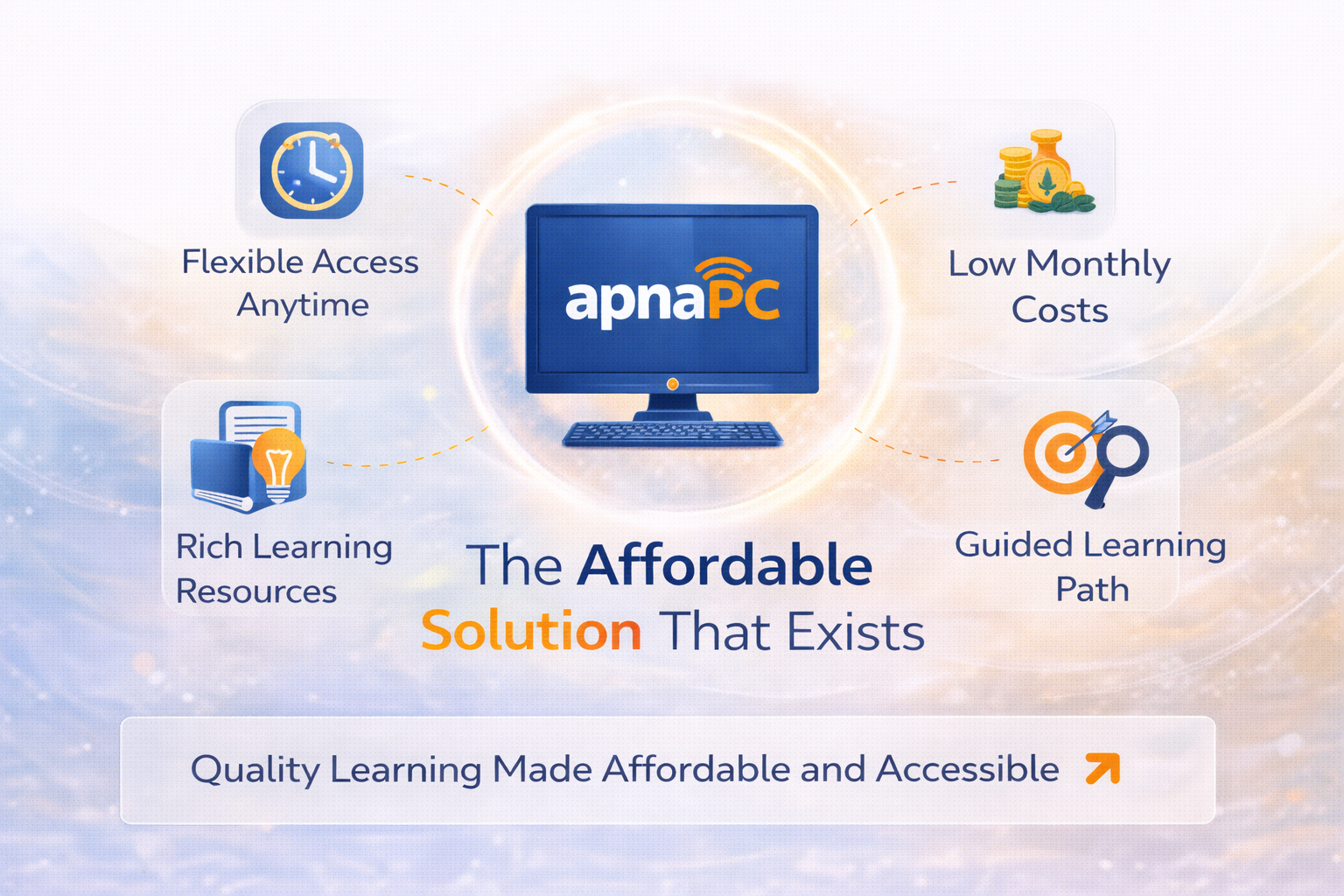
What students achieve with computer access does not depend on expensive hardware. It depends on consistent access, quality tools, and freedom to explore. One affordable machine transforms student trajectories.
Ready to help a student achieve more? Order Apna PC today and give them the tools they need to succeed.