

Two Students, Same Dream, Different Cities
Arjun lives in Mumbai. His school has a computer lab with 30 machines, a coding club, and teachers who use digital whiteboards. At home, he’s got a laptop, stable wifi, and parents who work in tech.
Meera lives in Raipur. Her school has one computer in the principal’s office that nobody’s allowed to touch. The “computer class” involves a teacher reading from a textbook while students copy definitions into notebooks. At home, the only screen is her father’s phone.
Both want to become software engineers.
But when they sit for the same entrance exam in two years, Arjun will have logged thousands of hours on a computer. Meera will have logged almost zero. The exam doesn’t care where you’re from. It only cares what you know.
That gap isn’t Meera’s fault. It’s a systemic failure. And it’s exactly what Apna PC is trying to fix.
The Real Digital Divide in India
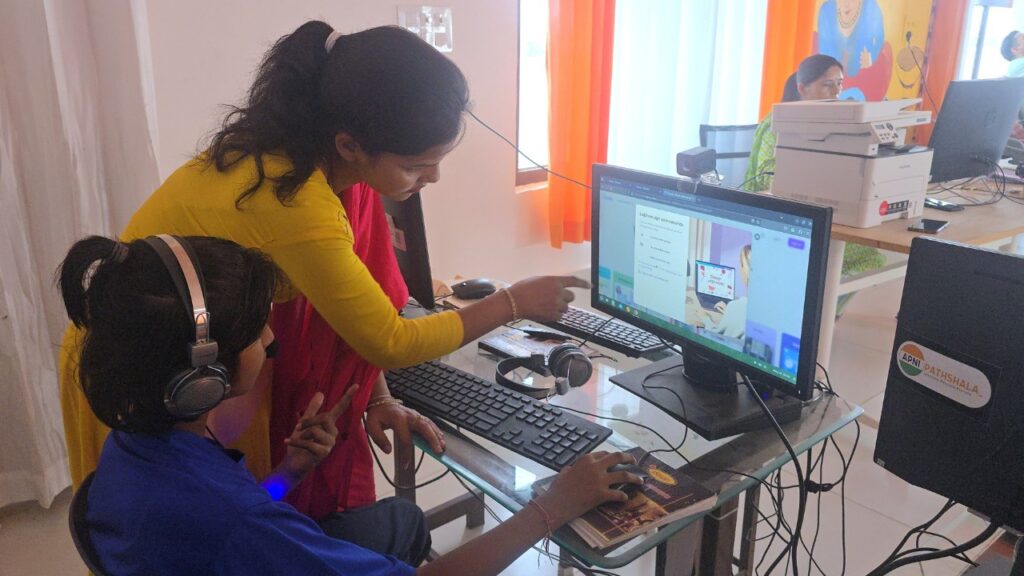
Everyone talks about the “digital divide” like it’s some abstract concept. It’s not. It’s Meera. It’s the kid in Jhansi who can’t submit an online form because he’s never used a browser. It’s the student in Siliguri whose college rejected her application because she didn’t know how to upload documents.
The divide isn’t between people who have phones and those who don’t. Almost everyone has a phone now. The divide is between students who have proper computing access and those who don’t.
According to UNESCO, India has one of the largest gaps in digital access between urban and smaller city populations. Students in metro cities aren’t smarter. They just have better tools. And that advantage compounds every single year.
What Metro Kids Take for Granted
A student in Delhi doesn’t think twice about Googling a doubt at 10 PM. A student in Bangalore casually learns Python from free online courses. A kid in Pune builds their college application portfolio on Canva.
These aren’t exceptional activities. They’re Tuesday night. But for students in tier 2 and tier 3 cities, each of these requires access they simply don’t have.
When India’s education ministry talks about equitable access, this is what they mean. Not just building schools. Building the digital infrastructure that lets every student compete on equal footing.
How Apna PC Is Closing the Gap
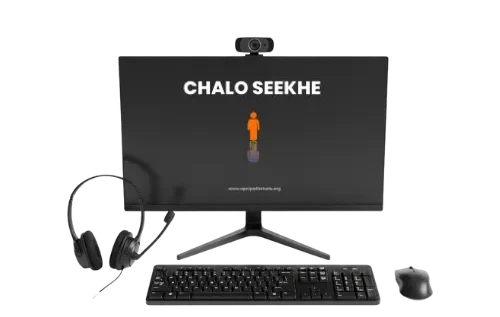
Apna PC isn’t trying to give every student a fancy laptop. That’s not realistic and honestly, it’s not necessary. What students need is a reliable machine with educational software, an operating system that works smoothly, and the ability to get online when they need to.
That’s it. That’s the whole formula.
A refurbished computer running Zorin OS with preloaded learning tools costs a fraction of what a new laptop costs. And it does everything a student in tier 2 or tier 3 cities needs to catch up with their metro counterparts.
Stories From the Ground
In Gorakhpur, a group of Class 9 students pooled their savings to buy two Apna PCs for their study group. They take turns using them after school. Within months, three students from that group qualified for a district level science competition. None of them had ever used a computer before.
In Salem, Tamil Nadu, a father who runs a small grocery store bought an Apna PC for his daughter. She used it to prepare for NEET. Her physics scores jumped from 40% to 72% in six months, primarily because she could finally watch concept videos and solve online practice papers.
In Udaipur, a school teacher bought five Apna PCs for her classroom using funds from a local NGO. Her students, most of whom come from farming families, are now creating digital presentations and participating in inter school competitions they’d never entered before.
These aren’t marketing stories. These are real accounts of students accessing the same resources as city schools.
Why Tier 2 and Tier 3 Students Often Work Harder
Here’s something metro parents don’t always appreciate. Students in smaller cities often have more drive. They know the odds are stacked against them. They know they need to work twice as hard. And when they finally get access to the right tools? They don’t waste it.
A student in Muzaffarpur who gets a computer for the first time at age 14 will squeeze more out of it in six months than many metro kids do in two years. Because for them, it’s not just a gadget. It’s an opportunity they’ve been waiting for.
What Needs to Happen
Parents in smaller cities: don’t wait for the school to provide digital access. It might never happen. A single affordable computer at home changes everything. Your child will figure out how to use it faster than you expect, and the skills they build will stay with them for life.
Schools and educators: partner with organizations that make affordable computing possible. One computer per classroom is better than zero. Five computers in a library is better than one.
Everyone else: stop assuming kids in smaller cities can’t compete. They absolutely can. They just need a fair shot. And often, that fair shot starts with something as simple as a computer that bridges the gap.