

Education is evolving rapidly. Exams in 2026 are no longer focused only on memorization. Instead, they are shifting toward competency-based assessment testing understanding, application, and problem-solving skills.
In this new format, students must not only know the answer but understand how to apply knowledge in real-life scenarios.
Artificial Intelligence (AI), when used responsibly, can become a powerful support tool for this kind of preparation.
What Is Competency-Based Preparation?
Competency-based exams focus on:
- Conceptual clarity
- Analytical thinking
- Application of knowledge
- Case-based problem solving
- Critical reasoning
Instead of asking “What is the definition?”, exams now ask “How would you apply this concept?”
This requires deeper learning.
How AI Can Support Smarter Preparation
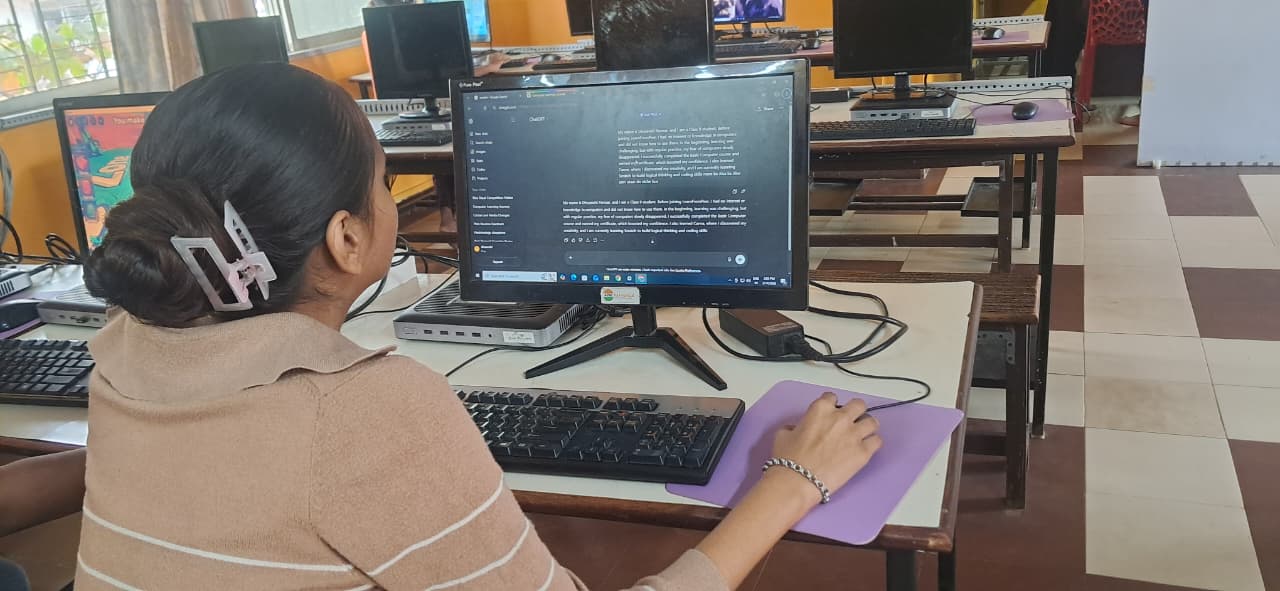
AI tools can help students prepare in structured and personalized ways.
Here’s how.
1. Personalized Practice Questions
AI-powered platforms can:
- Generate topic-based questions
- Adjust difficulty levels
- Identify weak areas
- Provide targeted practice
This helps students focus on improvement instead of repeating what they already know.
2. Instant Feedback and Explanation
Instead of waiting for teacher correction, AI tools can:
- Analyze answers instantly
- Explain mistakes clearly
- Suggest better approaches
- Provide alternative solutions
Immediate feedback accelerates learning.
3. Concept Simplification
If a topic feels difficult, AI tools can:
- Break it into simpler explanations
- Provide real-life examples
- Offer step-by-step guidance
- Summarize key points
This strengthens conceptual clarity, which is essential for competency-based exams.
4. Practice with Case-Based Scenarios
AI can simulate:
- Real-world problem scenarios
- Case-study style questions
- Data interpretation exercises
- Logical reasoning tasks
This improves analytical skills and application ability.
5. Smart Revision Planning
AI tools can help students:
- Create personalized study plans
- Track progress
- Suggest revision schedules
- Allocate time based on performance
Smart planning reduces last-minute stress.
6. Doubt Clarification Support
Students can use AI responsibly to:
- Ask concept-based questions
- Clarify difficult problems
- Understand alternate methods
However, it is important to use AI as a learning guide not as a shortcut for answers.
Responsible Use of AI in Exam Preparation

AI should support learning, not replace thinking.
Students should:
- Attempt questions first
- Use AI to understand mistakes
- Avoid copying solutions
- Focus on understanding concepts
AI is most powerful when it strengthens thinking not when it replaces effort.
The Role of Digital Access in AI-Based Learning
To use AI tools effectively, students need:
- Consistent digital access
- A personal computer
- Stable internet
- Comfort with digital platforms
Without access, students cannot benefit from modern learning tools.
Initiatives like Apna PC help bridge this gap by providing students with the digital foundation needed for AI-supported preparation.
Access enables opportunity.
Preparing for the Future
Competency-based exams are preparing students for real-world problem solving.
AI-assisted learning encourages:
- Independent thinking
- Faster feedback cycles
- Concept mastery
- Structured preparation
Students who learn to use AI responsibly today will be better prepared for tomorrow’s academic and professional challenges.
Conclusion
The 2026 exam landscape is shifting toward understanding and application. AI, when used wisely, can become a powerful tool for competency-based preparation.
But access is the first step. With the right digital tools and responsible guidance, students can prepare smarter, think deeper, and perform confidently.
Because the future of exams is not about memorizing more it’s about understanding better.