

Last Tuesday, Priya watched her 11-year-old son Arjun sit at the dining table for 45 minutes without writing a single word. His maths worksheet lay flat. His pencil stayed still. Every few minutes he picked up the pencil, put it down, and stared at the ceiling. These homework tips would have saved Priya years of evening frustration. She knew the homework would take 20 minutes once he started. But starting felt impossible.
This scene plays out in thousands of Indian homes every evening. The problem is not lazy children or bad parenting. The problem is that starting is the hardest part of any task. The best homework tips do not just tell children what to do. They make starting feel small enough actually to happen.
Why the First 20 Minutes Matter Most for Homework Tips
Research on student productivity shows that the biggest drop in motivation happens before work begins. Once a child writes the first answer, momentum carries them forward. The 20-minute rule works because it shrinks the starting point. Instead of saying “finish your homework,” you say: “work on it for 20 minutes, then stop if you want.”
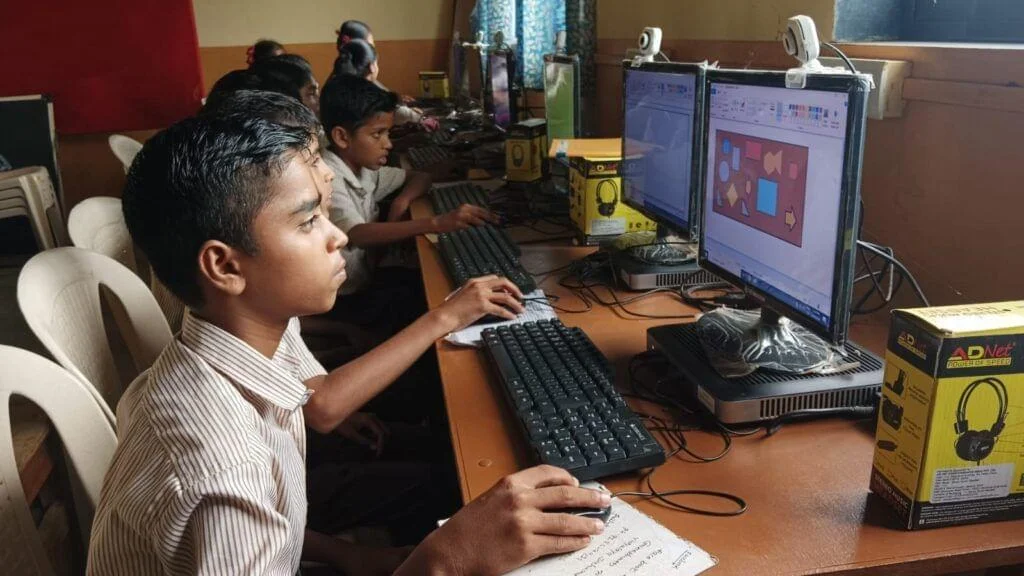
This small change in time management removes the fear of an endless task. Arjun does not have to finish the worksheet. He has to survive 20 minutes. Most children, once they start, keep going past the timer because the work feels easier than they imagined.
Here is how to use the 20-minute rule at home:
- Set a visible timer on the table, not on a phone (phones create distractions)
- Tell your child: “Just 20 minutes. After that, you decide if you want to continue.”
- Do not check on them during those 20 minutes. Let them own the time.
- When the timer rings, ask: “Do you want to keep going or take a break?”
- If they stop, celebrate the 20 minutes they completed. No guilt.
After one week of this routine, most children start sitting longer on their own. The trick is that 20 minutes feels safe. There is no punishment for stopping. That safety makes starting less scary.
You will also notice something unexpected. Your child starts talking about what they learned during those 20 minutes. They describe the maths problem. They mention a word they read in science. This is not just homework completion. This is learning happening in real time. When pressure drops, curiosity rises.
Building Study Motivation With Homework Tips That Actually Work
Indian parents often compare their children to toppers who study for six hours straight. That comparison destroys study motivation before it begins. A child who completes 20 minutes of focused work today has done something real. Tomorrow, they might do 25 minutes. The growth is slow but honest.
Good homework tips focus on what a child can do right now, not what they should do eventually. When Arjun finishes his maths in 20 minutes and realises he has time left, he feels proud. That pride becomes the engine for the next day. You did not force him. You gave him a starting point small enough to try.
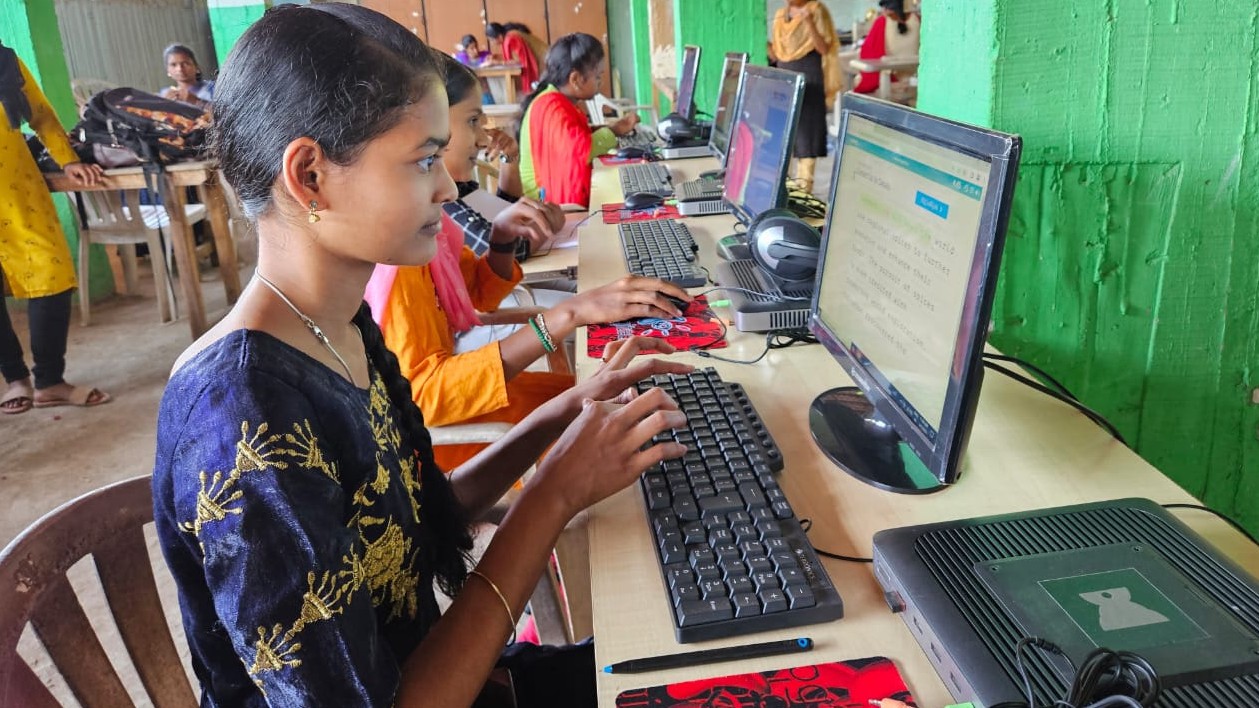
A dedicated study computer like Apna PC makes this even easier. When the computer is only for studying, the child’s brain connects it with work time. No games, no YouTube, no social media waiting in the background. The 20-minute rule combined with a distraction-free machine creates a study space that actually works. Parents who build a retrieval practice routine on top of this see even better results.
These homework tips are not about being soft. They are about being smart. You are teaching your child that homework is not a mountain. It is a series of small steps. Each step builds confidence. Each 20-minute round proves they can do it.
India’s education system asks a lot from young students. The Ministry of Education continues to push digital learning and skill development. But none of that matters if a child cannot sit down and begin. The 20-minute rule fixes the starting problem. Everything after that gets easier.
Try this homework tip tonight. Set a timer. Set it for 20 minutes. Watch what happens. Most parents are surprised at how much their child gets done when the pressure to “finish everything” disappears.
One last thing. Do not use the 20-minute rule as a test. Do not stand behind your child counting seconds. Give them the timer, walk away, and trust the process. Children rise to the level of trust you show them. When you believe they can start on their own, they start believing it too. Homework tips work best when they come with patience, not surveillance.
Apna PC is an educational computer designed for Indian students. It comes pre-loaded with learning tools, costs ₹30,000 (shipping and GST excluded), and removes every digital distraction so your child can focus on what matters. Visit apnapc.com to learn more.